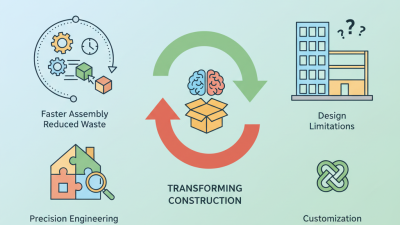
In recent years, prefabricated construction has gained immense popularity. It offers numerous advantages for modern architecture. Experts agree that this method enhances efficiency and sustainability in building projects. James Anderson, a renowned architect in the prefabricated construction industry, once stated, "Prefab buildings have the potential to reshape our urban landscapes."
One notable benefit of prefabricated construction is reduced construction time. Components are built off-site and assembled quickly. This approach minimizes delays often caused by weather conditions. Additionally, it contributes to less waste, which is crucial for the environment. However, some critics question the aesthetic appeal of prefabricated structures. There is a perception that they lack character and individuality.
Quality is another aspect worth considering. While prefabricated materials can be superior, not all companies uphold high standards. It’s important for clients to research and choose reputable manufacturers. The journey of integrating prefabricated construction into traditional designs poses challenges but offers exciting opportunities.
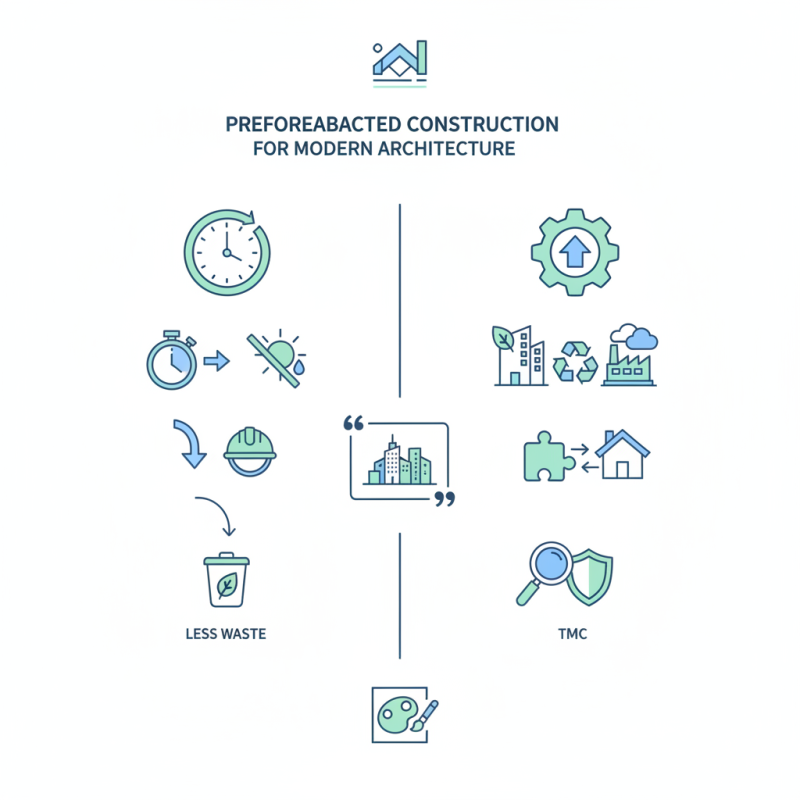
Prefabricated construction is transforming modern architecture. One of the main advantages is the reduced construction time. Prefabricated components are built off-site. This allows for simultaneous site preparation and component fabrication. As a result, projects can be completed much faster. Quick turnaround can lead to significant cost savings. Clients appreciate moving into their new spaces sooner.
However, not all projects are suited for this method. Some designs are complex and require unique site solutions. Occasionally, the initial savings may be offset by transportation costs. It's essential to consider the balance between speed and design requirements. Think about the local infrastructure as well. It plays a crucial role in determining feasibility.
Tips for success include accurate planning and early collaboration. Early engagement with architects and builders ensures smooth integration. Keep an open mind about design flexibility. This may lead to better outcomes. Also, always factor in local regulations. Compliance can prevent costly delays, even with prefabricated components.
Prefabricated construction offers significant cost savings in the modern architecture sector. According to a report by McKinsey & Company, prefabrication can reduce overall project costs by 20% to 30%. This savings largely comes from the efficient use of materials and reduced labor expenses. With prefabricated components manufactured in a controlled environment, waste is minimized. This not only cuts costs but also improves quality control.
Labor expenses are another critical factor. The National Institute of Building Sciences (NIBS) has indicated that prefabricated projects can achieve labor savings of up to 50%. Fewer onsite workers are needed, and assembly times are drastically reduced. Many projects can be completed in just weeks rather than months. However, this faster pace can also raise questions about quality assurance and overall project execution.
While the initial investment in prefabricated components may be higher, the long-term savings are compelling. Developers must consider the upfront costs versus lifetime value. Some projects may struggle with logistics and coordination challenges. Yet, when managed properly, the combination of economic and efficiency benefits proves advantageous. The construction landscape is evolving, and prefabrication is a key player in that change.
| Aspect | Description | Estimated Savings (%) |
|---|---|---|
| Material Efficiency | Reduction in waste and optimal use of materials | 15 - 30% |
| Labor Costs | Faster assembly leads to reduced labor hours | 10 - 25% |
| Time Savings | Shorter construction time compared to traditional methods | 20 - 50% |
| Quality Control | Enhanced manufacturing processes lead to better quality | 5 - 15% |
| Energy Efficiency | Reduced energy costs through sustainable practices | 10 - 20% |
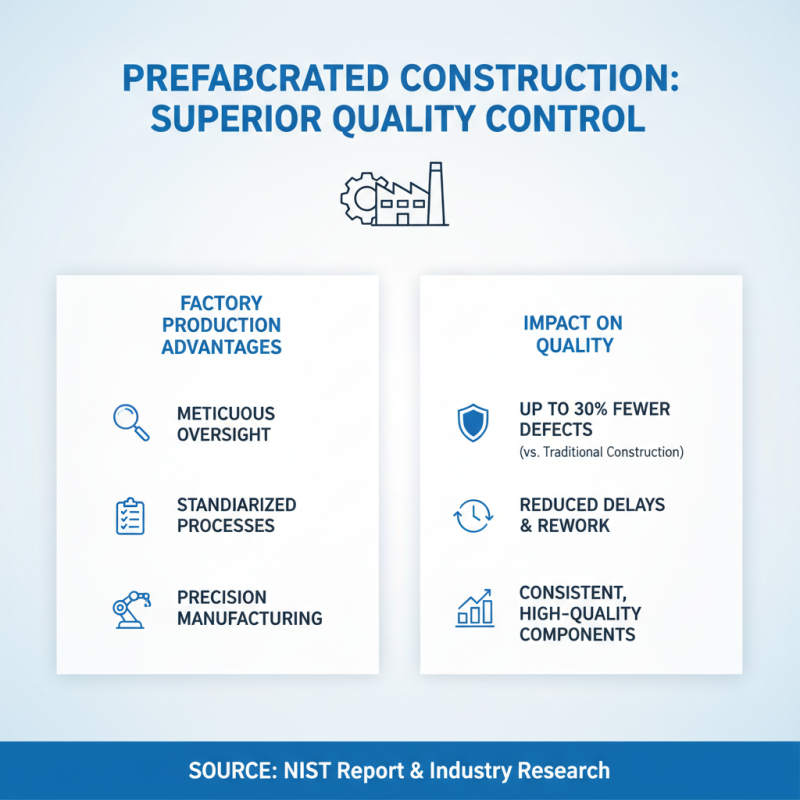
Prefabricated construction offers remarkable advantages, particularly in quality control. Factory production techniques allow for meticulous oversight. Research indicates that prefabricated components can reduce defects by up to 30%. This is significant when compared to traditional construction methods. A report by the National Institute of Standards and Technology found that construction defects often lead to costly delays and rework.
The controlled environment in factories allows for consistent material quality. Workers can produce components in optimal conditions, free from weather impacts. Additionally, modular construction techniques reduce waste. The Construction Industry Institute reports that up to 20% of materials can be wasted on-site. Off-site production minimizes this issue. However, it raises questions about transportation logistics and assembly on-site.
While quality control in prefabricated construction is often enhanced, challenges remain. Miscommunication between factory and site teams can lead to fitting issues. A study from McKinsey noted that 80% of project failures stem from poor communication. It’s essential for teams to bridge this gap effectively. Addressing these issues can ultimately lead to better outcomes in modern architecture.
Prefabricated construction methods are gaining traction in modern architecture. They significantly reduce waste. Prefabrication allows for a more efficient use of materials. This is crucial for sustainability. For example, factory settings minimize material offcuts, which often happen on traditional sites. Streamlined processes lead to faster building times and lower carbon footprints.
However, not all prefabricated materials are eco-friendly. Some components may still contribute to environmental harm. It's essential to select sustainable materials when employing these methods. This choice can mitigate unfavorable impacts. Green options, like recycled steel or sustainably sourced wood, can enhance the project's ecological profile. Achieving true sustainability requires discernment and diligence.
Additionally, energy efficiency plays a vital role. Well-designed prefabricated buildings can incorporate superior insulation. This results in lower energy costs for heating and cooling. Yet, implementation challenges may arise. Some builders struggle with integration on-site. The design must account for local conditions for optimal performance. Balancing innovation with practical execution remains an ongoing challenge in utilizing prefabricated construction.
This chart illustrates the key benefits of prefabricated construction methods in modern architecture, showcasing their impact on sustainability, cost efficiency, and overall construction speed. Each benefit is rated on a scale from 1 to 10, highlighting their significance in today's building practices.
Prefabricated construction has emerged as a significant alternative to traditional building methods. One of the most compelling aspects is improved safety metrics. A report by the National Institute for Occupational Safety and Health (NIOSH) found that prefabricated projects experience 20% fewer injuries than their traditional counterparts. This is largely due to onsite conditions. Prefab components are usually fabricated in controlled environments, reducing the risk factors associated with weather and unpredictable onsite variables.
Workers in prefabricated environments face fewer hazards. A study showed that 75% of accidents in traditional construction are caused by falls, leading to significant health concerns. In prefabrication, many tasks are performed at ground level, which decreases the chances of dangerous falls. While challenges still exist, such as transportation risks and assembly errors, the potential benefits are clear.
Data from the Occupational Safety and Health Administration (OSHA) emphasizes that better training and higher safety standards in prefab settings play a key role. However, not all companies have swiftly adapted to these improvements, leading to areas for reflection. The construction industry must embrace innovation while addressing these gaps. The journey is ongoing, and the focus on safety metrics is paramount for future success in modern architecture.