Top 10 Benefits of Steel Structure in Modern Construction Techniques
In the realm of modern construction techniques, the adoption of steel structure has revolutionized the industry, offering unparalleled advantages over traditional building methods. As urbanization accelerates and the demand for sustainable, durable, and efficient construction solutions grows, the use of steel structure stands out as a key contributor to addressing these needs. Its unique properties, such as strength, flexibility, and recyclability, make it an ideal choice for a wide range of applications, from residential buildings to towering skyscrapers.
The benefits of incorporating steel structure in construction are manifold, enhancing not only the functionality and longevity of buildings but also their aesthetic appeal. Innovations in engineering and design have further amplified the advantages of steel, allowing for creativity and versatility that were previously unattainable with conventional materials. As we delve into the top ten benefits of steel structure, it becomes clear how this modern material is shaping the future of construction, making it more efficient, cost-effective, and environmentally friendly while meeting the ever-evolving demands of today's society.
Advantages of Steel Structure in Modern Construction
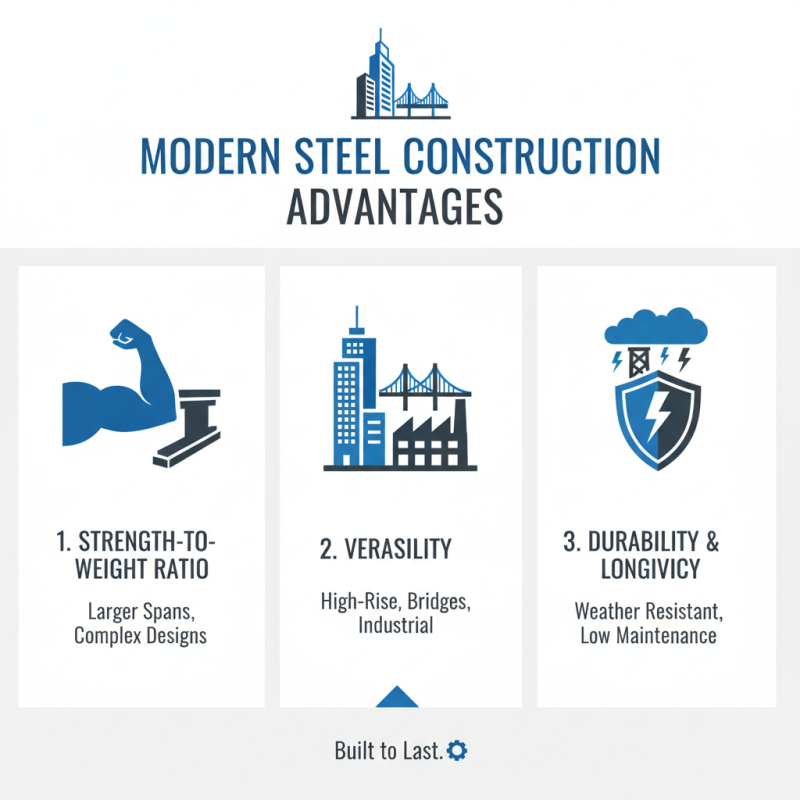
Steel structures are increasingly popular in modern construction due to their numerous advantages. One significant benefit is their remarkable strength-to-weight ratio, which allows for the construction of larger and more complex architectural designs without compromising structural integrity. This characteristic makes steel a preferred material for high-rise buildings, bridges, and industrial facilities. Additionally, steel's durability ensures that structures can withstand harsh weather conditions, reducing the need for frequent repairs and maintenance.
Another key advantage of steel structures is their speed of construction. With prefabricated steel components, construction projects can be completed faster compared to traditional building materials. This efficiency not only saves time but also minimizes labor costs and disruptions to surrounding areas. Furthermore, steel is a sustainable option, as it is often sourced from recycled materials and is fully recyclable at the end of its lifecycle. This environmental benefit is becoming increasingly important in modern construction, as sustainability practices gain prominence in the industry.
Enhanced Durability and Longevity of Steel Structures
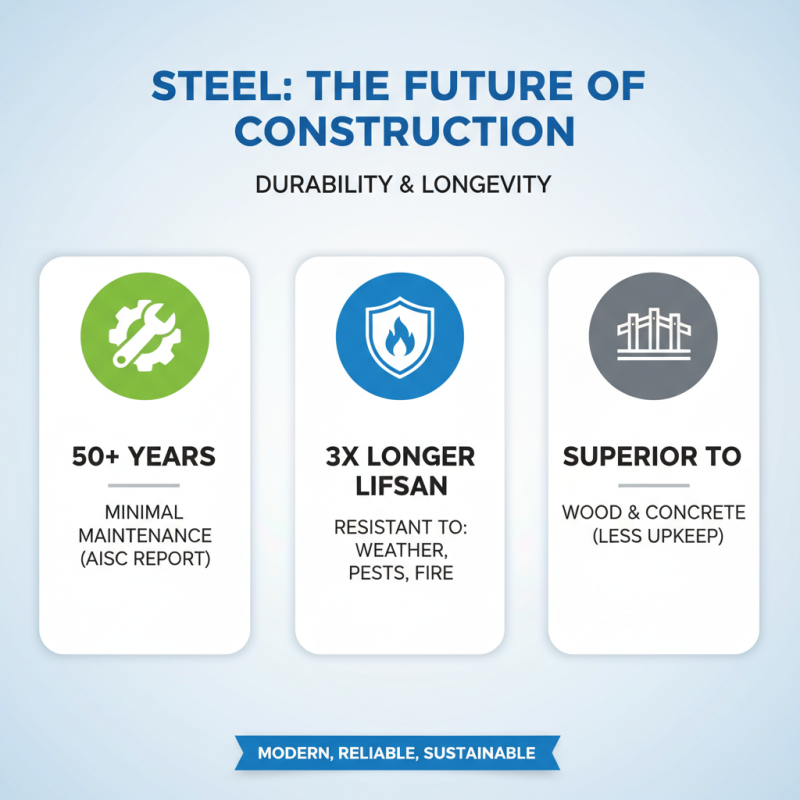
Steel structures have become a cornerstone in modern construction due to their remarkable durability and longevity. According to a report by the American Institute of Steel Construction (AISC), steel structures can last over 50 years with minimal maintenance, significantly outpacing traditional building materials such as wood or concrete, which typically require more extensive upkeep over time. The inherent properties of steel, including its resistance to extreme weather conditions, pests, and fire, contribute to a lifespan that is often three times longer than that of non-steel alternatives.
Furthermore, a study by the World Steel Association highlights that steel's recyclability adds to its sustainability profile. Approximately 85% of steel products can be recycled at the end of their life cycle, reducing waste and promoting eco-friendly construction practices. This characteristic enhances the longevity of steel structures not only in their active life but also considering their end-of-life management. Overall, the enhanced durability and longevity of steel structures depict a significant shift towards resilience in construction practices, addressing both present and future needs in an increasingly demanding environment.
Cost-Effectiveness of Using Steel in Building Projects
The cost-effectiveness of using steel in modern building projects is increasingly recognized in the construction industry. Research from the American Institute of Steel Construction indicates that steel structures can save up to 20% on overall project costs when compared to traditional materials like concrete or wood. This reduction in expenses can be attributed to various factors, including faster construction times, reduced labor costs, and lower maintenance costs over the lifespan of the building. Moreover, steel's high strength-to-weight ratio allows for lighter structures, leading to savings on foundation and support systems.
When considering steel for your construction project, it's essential to conduct a thorough cost-benefit analysis. By evaluating initial expenditures versus long-term savings, one can identify the most financially viable options. Additionally, many local governments offer incentives for using sustainable materials, including steel, which can further enhance cost savings.
Tips: Always consult with a structural engineer to optimize the design and material selection for your specific project needs. Also, consider utilizing prefabricated steel components, as they can significantly reduce on-site labor costs and construction timelines, providing both speed and efficiency to your project.
Design Flexibility and Aesthetic Appeal of Steel Frameworks
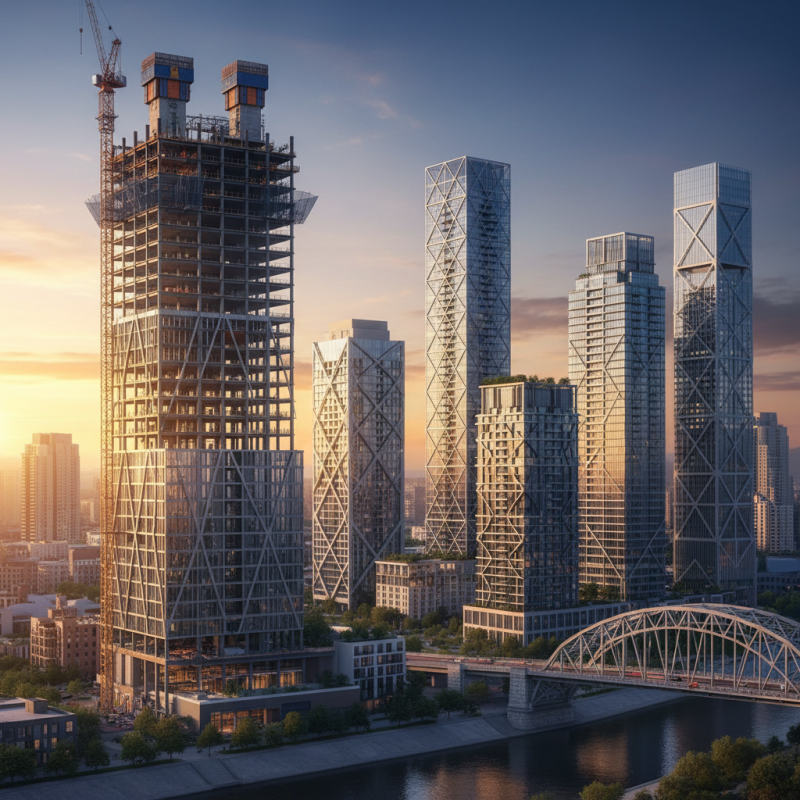
The design flexibility offered by steel frameworks is one of the key advantages that modern construction techniques leverage. Steel is not only durable but also allows for innovative architectural expressions, enabling designers to explore various shapes and configurations. This adaptability gives architects the freedom to create expansive open spaces without the need for numerous support columns.
Buildings can achieve stunning visual elements, such as soaring ceilings and large glass facades that blur the lines between the interior and exterior environments, enhancing natural light and reducing the need for artificial illumination.
Moreover, the aesthetic appeal of steel structures is significant in shaping contemporary architecture. Steel’s sleek lines and polished finishes provide a modern touch that can complement various design styles, from minimalist to industrial. The ability to incorporate unique structural forms encourages creativity and individuality in building design, which can influence community identity and urban landscapes.
This visual impact, combined with an inherent strength-to-weight ratio, positions steel as an ideal material for modern construction projects, allowing for both beauty and resilience in the built environment.
Sustainability and Environmental Benefits of Steel Construction
The shift towards sustainability in the construction industry has positioned steel structures as a leading choice for environmentally conscious projects. Steel is highly recyclable, with over 90% of it being reused at the end of a structure's life cycle. This significant recyclability reduces the demand for new raw materials, thereby conserving natural resources and decreasing the carbon footprint associated with the production of new steel. Additionally, the use of steel results in less waste during construction, as steel components can be prefabricated with precision, minimizing off-cuts and ensuring a more efficient use of resources.
Moreover, steel structures offer excellent durability and longevity, which contributes to their environmental benefits. Structures made of steel are resistant to factors such as pests and weather extremes, which can lead to a longer lifespan compared to traditional materials. This durability translates to reducing the need for frequent repairs and renovations, further conserving materials and energy over time. Additionally, steel's lightweight nature leads to lower energy costs during transportation and installation, reinforcing its role as a sustainable solution in modern construction techniques. These combined factors demonstrate that steel not only meets the functional demands of contemporary architecture but also aligns with the fundamental principles of sustainability.