Top Benefits of Using Steel Structures in Modern Construction
In the realm of modern construction, the advantages of utilizing steel structures have grown increasingly evident. As noted by industry expert Dr. Emily Carter, a renowned structural engineer, “Steel structures not only provide durability and flexibility, but also significantly reduce construction time and costs.” This sentiment underscores the transformative role that steel plays in contemporary building practices.
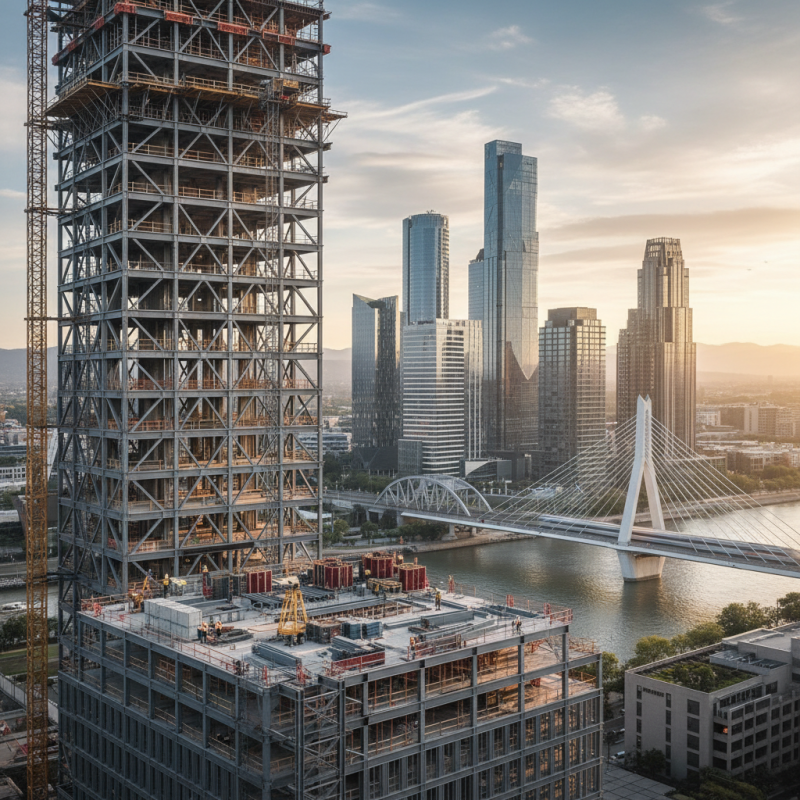
The inherent strength of steel enables architects and builders to push the boundaries of design while ensuring structural integrity. From skyscrapers that reach toward the skies to bridges that span vast distances, the versatility of steel structures has revolutionized the construction landscape. Furthermore, the sustainability aspect of steel cannot be overlooked, as it is 100% recyclable, making it an environmentally responsible choice for modern projects.
As we delve deeper into the numerous benefits of integrating steel structures into construction, it becomes clear that this material is not just a building component; it is a fundamental element that shapes the future of architecture and engineering. In the following sections, we will explore how steel structures can enhance safety, optimize resources, and foster innovative designs, solidifying their place in the blueprint of 21st-century construction.
Advantages of Steel Structures in Modern Construction
Steel structures offer numerous advantages in modern construction, making them a favored choice among architects and builders. One major benefit is their strength-to-weight ratio. Steel is incredibly strong while being relatively lightweight, enabling the construction of larger spans without the need for excessive support. This design flexibility allows for more open and innovative spaces within buildings, which is essential in urban environments where space is at a premium.
Another significant advantage is the durability and longevity of steel. Unlike traditional materials like wood or concrete, steel structures are resistant to various environmental factors such as termites, rot, and even extreme weather conditions. This resilience reduces maintenance costs over time and ensures that the structures retain their integrity for many years. Additionally, steel can be recycled multiple times without degrading, making it a more sustainable option in the face of increasing environmental concerns. Therefore, choosing steel for construction not only enhances the structural performance but also contributes positively to environmental sustainability.
Durability and Longevity of Steel Buildings
Steel structures have gained immense popularity in modern construction due to their outstanding durability and longevity. According to a report by the American Institute of Steel Construction, steel buildings can have a lifespan that exceeds 50 years with minimal maintenance. This is largely attributed to steel’s resistance to common structural issues such as decay, pests, and warping, which can plague traditional wooden structures. Additionally, steel’s inherent strength allows for longer spans and fewer supports, which not only enhances the design flexibility but also contributes to the overall stability of the structure.
When considering a steel building, it’s essential to focus on the materials and properties that contribute to its long-lasting nature. Regular inspections, protective coatings, and proper drainage systems can significantly extend the life of a steel structure. The Steel Construction Institute notes that implementing such precautions can reduce maintenance costs by up to 25% over the building’s lifetime.
Tips: To maximize durability, ensure that your steel structure is designed with corrosion-resistant materials and evaluate the site conditions thoroughly. Employing a qualified structural engineer familiar with local climate impacts can further enhance the lifespan of your building. Additionally, investing in high-quality insulation can improve energy efficiency while protecting your structure from temperature-induced stress and potential moisture buildup.
Cost-Effectiveness of Using Steel in Construction Projects
The cost-effectiveness of using steel in construction projects is one of the primary reasons for its growing popularity in modern architecture. Steel's durability and strength allow for the creation of robust structures that require less material compared to traditional building methods. This results in significant savings in both raw material costs and overall construction expenses. With faster assembly times due to prefabrication techniques, projects can be completed more quickly, minimizing labor costs and reducing financial overhead associated with prolonged construction periods.
Additionally, steel's recyclability contributes to its cost-effectiveness. As a sustainable material, steel can be reused or repurposed at the end of a building’s life cycle, leading to lower waste disposal costs and a reduced environmental impact. These factors not only enhance the economic viability of steel-based projects but also appeal to clients and contractors who prioritize sustainability in their construction practices. Collectively, these aspects make steel a prudent and forward-thinking choice for contemporary construction efforts.
Top Benefits of Using Steel Structures in Modern Construction - Cost-Effectiveness of Using Steel in Construction Projects
| Benefit |
Description |
Cost Savings (%) |
| Durability |
Steel structures offer high resistance to weather degradation and pests. |
20% |
| Construction Speed |
Pre-fabricated steel components reduce on-site construction time. |
15% |
| Versatility |
Steel can be molded into various designs and styles for diverse applications. |
10% |
| Safety |
Steel structures are less susceptible to fires and earthquakes. |
25% |
| Maintenance Costs |
Lower maintenance requirements lead to reduced long-term costs. |
18% |
Design Flexibility and Architectural Aesthetics with Steel
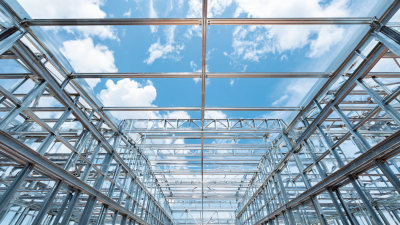
The use of steel structures in modern construction has revolutionized the architectural landscape, providing designers with unparalleled flexibility in their creations. Steel’s inherent strength-to-weight ratio enables architects to explore innovative shapes and configurations that were once deemed impractical with traditional materials. This flexibility allows for open, spacious interiors, large spans without the need for numerous supporting columns, and intricate designs that can be tailored to meet the specific needs of a project.
In addition to design flexibility, steel structures contribute significantly to architectural aesthetics. The sleek lines and modern appearance of steel can enhance the visual appeal of a building, making it stand out in urban environments. Moreover, steel’s versatility allows for a variety of finishes and treatments, enabling architects to achieve diverse aesthetic outcomes, from minimalist and industrial to elegant and contemporary. This adaptability not only fulfills functional requirements but also enriches the artistic expression of modern architecture, making steel a preferred choice for many architects and designers today.
Sustainability and Environmental Benefits of Steel Structures
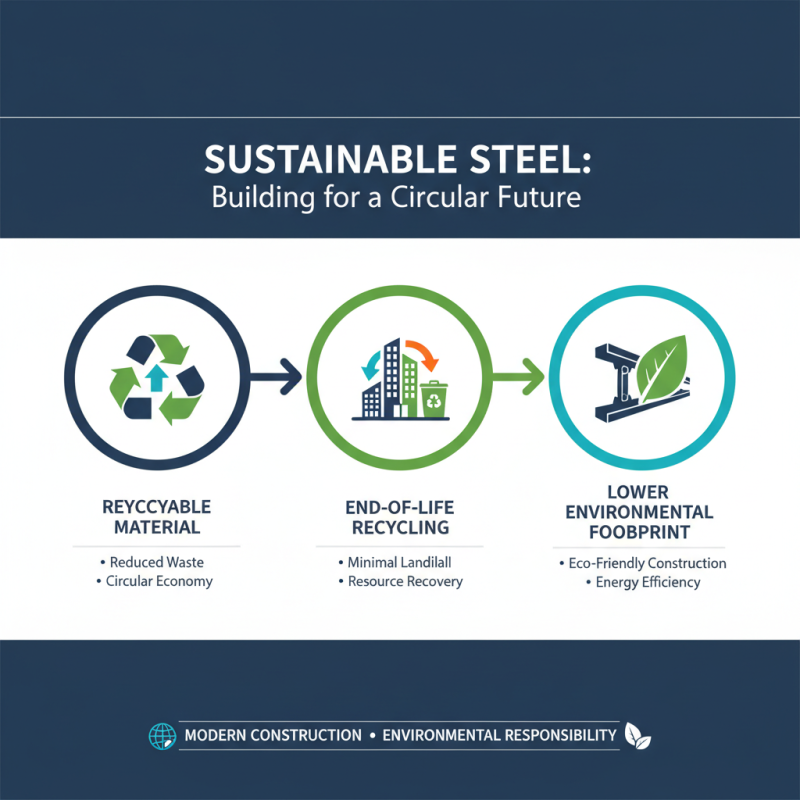
The sustainability of steel structures plays a pivotal role in modern construction, elevating their significance in an era where environmental consciousness is paramount. Steel, as a recyclable material, contributes significantly to reducing waste and promoting a circular economy. Buildings constructed with steel can be dismantled and recycled at the end of their life cycle, drastically minimizing landfill contributions. This inherent recyclability means that the environmental footprint of steel structures is substantially lower compared to other materials, making them an attractive option for eco-friendly construction.
Moreover, steel's durability and energy efficiency further accentuate its environmental benefits. Structures made from steel require less maintenance over their lifespan, reducing the need for frequent repairs or replacements, which often involve resource-intensive processes. Additionally, steel's thermal properties can contribute to energy-efficient designs, allowing buildings to maintain optimal temperatures with less energy consumption for heating and cooling. By utilizing innovative insulation techniques in conjunction with steel construction, builders can significantly lower a building's overall energy use, aligning with global efforts to curb greenhouse gas emissions and promote sustainable building practices.