10 Best Manufactured Buildings for Modern Living Solutions?

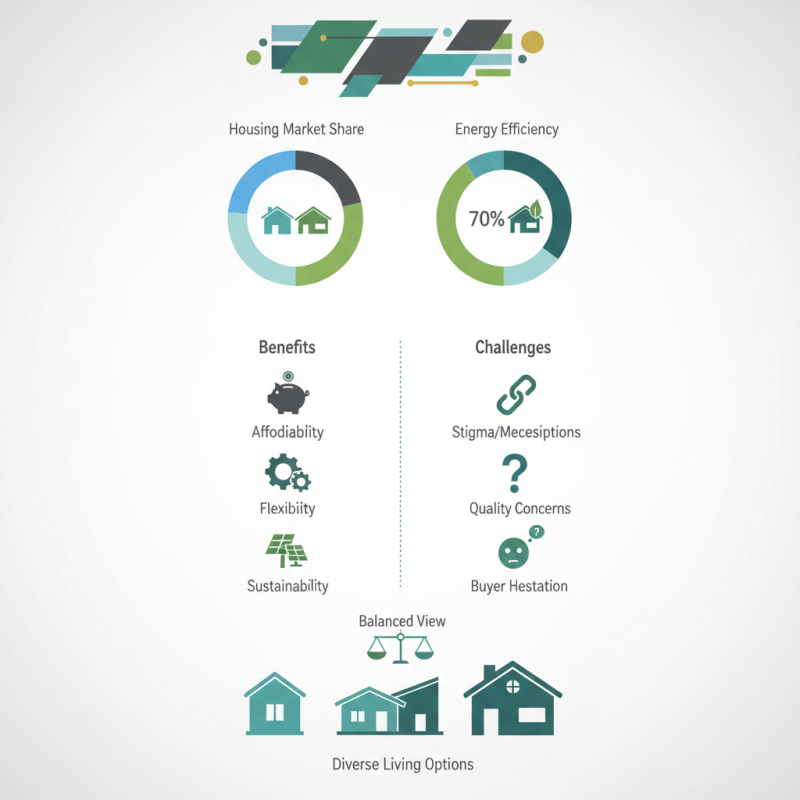
In today's fast-paced world, the need for efficient and sustainable housing solutions has never been more pressing. Manufactured buildings are emerging as a practical answer to this demand. According to the U.S. Census Bureau, manufactured homes comprised over 10% of the housing market in 2022, highlighting their growing significance. These structures offer affordability and flexibility, yet they also face stigma and misconceptions.

The design of manufactured buildings has evolved considerably. They now include modern amenities and eco-friendly features. Reports indicate that over 70% of new manufactured homes meet or exceed Energy Star certifications, reflecting a commitment to sustainability. However, challenges remain. Many potential buyers still hesitate, influenced by past associations with lower quality.

Moreover, the variety in manufactured building types—ranging from tiny homes to larger family models—presents diverse living options. Each offers unique benefits and potential drawbacks that require careful consideration. As we explore the best manufactured buildings for modern living, we must address these complexities and strive for a balanced view. This reflection is crucial in today's housing landscape.
10 Best Manufactured Buildings for Modern Living Solutions?

Overview of Manufactured Buildings and Their Benefits

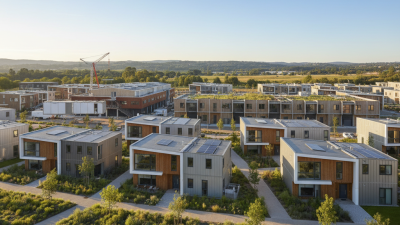
Manufactured buildings have become a viable option for modern living solutions. These homes are built in a factory setting, allowing for efficient construction and lower costs. One of the clear benefits is their affordability. Many people can access quality housing without breaking the bank. However, the stigma surrounding them still lingers, often viewed as less desirable than traditional homes.

Another advantage is the flexibility of designs. From tiny homes to larger family units, there are many options to suit different needs. Additionally, they can be customized to enhance energy efficiency. Many owners appreciate reduced utility bills and a minimal carbon footprint. Yet, some manufactured buildings may face challenges related to zoning laws and financing. It can be a hassle for potential homeowners.

A crucial aspect to consider is the quality of construction. While many are built to high standards, some may not hold up over time. It’s essential to conduct thorough research and inspections. This diligence can save future homeowners from unexpected issues. Balancing affordability and quality is key in the manufactured housing market. Each choice comes with its pros and cons, requiring careful thought and planning.
Top 10 Benefits of Manufactured Buildings for Modern Living

Key Features of Modern Manufactured Homes

Modern manufactured homes offer a blend of style and functionality. These buildings are designed with energy efficiency in mind. Many come equipped with modern appliances and smart home features. This means lower energy bills and increased comfort. With spacious interiors, they provide ample room for families. Open floor plans are common, making them feel larger than they are.

Quality materials are often used in construction. This ensures durability and longevity, which is crucial for modern living. However, some people may find that the aesthetics of manufactured homes vary widely. This can be a challenge for buyers looking for a specific style. Additionally, the craftsmanship can sometimes lead to imperfections, raising questions about quality control. Despite these issues, many appreciate the affordability of manufactured homes.

Customization options are another appealing feature. Buyers can often choose layouts, finishes, and more. While this flexibility is enticing, it can also be overwhelming. Deciding on every detail can lead to decision fatigue. And yet, it reflects the growing trend of personalizing living spaces in a world that increasingly values individuality. Modern manufactured homes truly represent a unique solution for contemporary living.

Top 10 Manufactured Buildings for Innovative Living Solutions

Manufactured buildings are transforming modern living solutions. They provide an innovative approach to housing that meets the demands of diverse lifestyles. According to the U.S. Census Bureau, the market for manufactured homes has grown significantly, with over 90,000 units shipped annually. This growth highlights the appeal of these buildings, offering affordability and flexibility.

Incorporating sustainable materials is a key factor in modern manufactured homes. Many include energy-efficient appliances and smart home technology, which enhance comfort and reduce utility costs. Tips for maximizing space in these designs include using multi-functional furniture and optimizing natural light.

However, it’s crucial to reflect on the trade-offs. Limited customization may not suit everyone’s preferences. Additionally, manufactured homes can face zoning restrictions that complicate placement. Research local regulations before making any decisions. Understanding these challenges is vital to ensure a satisfying living experience.

Comparison of Cost and Sustainability in Manufactured Housing

10 Best Manufactured Buildings for Modern Living Solutions?

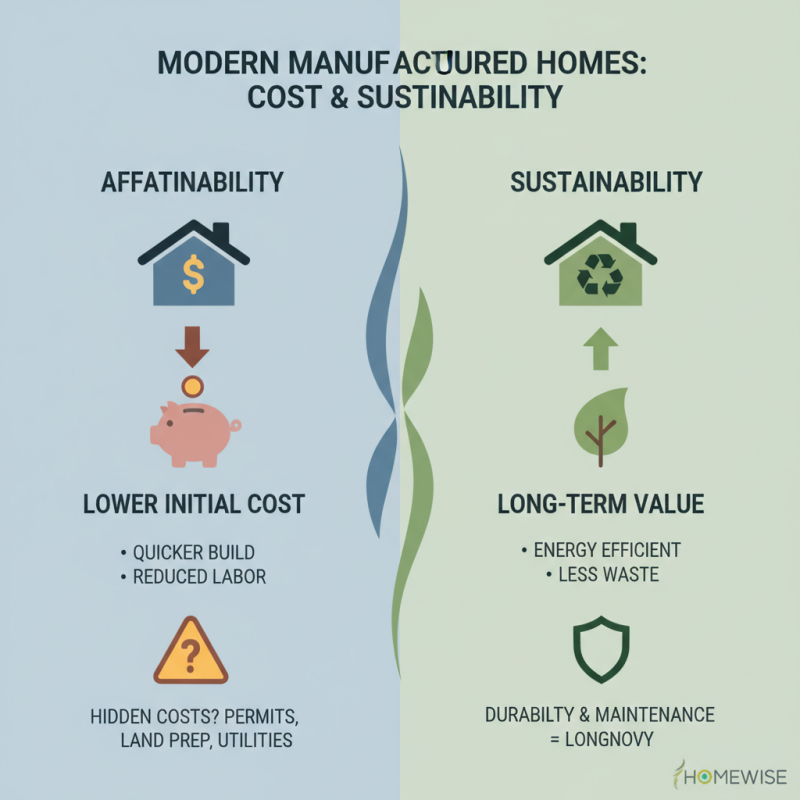
Manufactured housing has gained traction for modern living. Residents appreciate the affordability and adaptability of these homes. However, understanding the cost and sustainability aspects is essential. Cost-effective options can be alluring, yet they may come with hidden expenses. Longevity and maintenance should factor into financial decisions.

Sustainability in manufactured buildings often depends on materials used. Eco-friendly options are available, but not all manufacturers prioritize them. Buyers need to assess energy efficiency, insulation, and appliance choices. Many designs incorporate renewable energy sources, but their effectiveness can vary. Finding balance between cost and sustainable choices is crucial.

Moreover, manufactured homes face scrutiny for their environmental impact. The production process can generate waste and emissions. Striking the right balance between affordability and ecological responsibility remains challenging. This industry is evolving, and consumers must demand better practices to ensure more sustainable living solutions.

Future Trends in Manufactured Buildings and Design Innovations

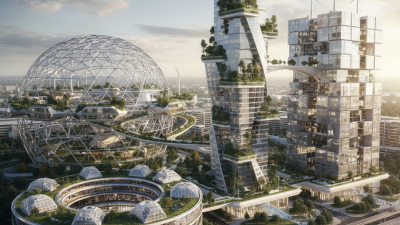
The landscape of manufactured buildings is evolving. Innovative designs are shaping modern living for diverse lifestyles. Architects and designers focus on sustainability and efficiency. Materials are changing, promoting eco-friendly choices. This shift emphasizes the importance of reducing environmental impact.

Future trends highlight smart technology integration. Homes can now be equipped with energy-efficient appliances. Automated systems offer convenience and control. However, there's a challenge—technology can create a dependency. Balancing innovation with human interaction is essential.

Moreover, space optimization is crucial. Many designs include multifunctional areas. These adaptable spaces cater to various activities. Yet, one must reflect on personal needs. Having more space or options isn't always better. Simplicity sometimes brings more peace. Each choice carries consequences for our lifestyle.