2026 Best Products Under Construction for Global Buyers?

The global construction industry is rapidly evolving, and in 2026, several innovative products are poised to reshape the market. Experts predict a significant shift in materials and technologies, all underscored by the ongoing "under construction" initiatives worldwide. John Smith, a preeminent architect with over two decades in the field, emphasizes, “The future of construction is not just about building; it’s about creating sustainable and adaptable environments.”

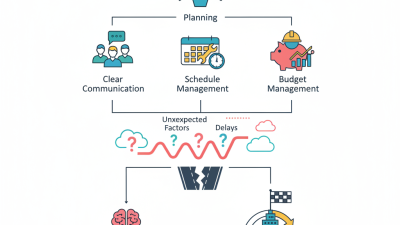
In this ever-changing landscape, designers and builders face challenges. The demand for eco-friendly materials increases, yet many technologies remain untested. Projects tagged as "under construction" often encounter delays due to supply chain issues and rising costs. A commitment to innovation is critical, but caution is equally important.

Global buyers must navigate these complexities to find reliable solutions. The effort to build smarter while considering sustainability is crucial. The success of "under construction" projects depends on collaboration, foresight, and readiness to adapt. In the coming years, honing expertise will be vital for both buyers and developers alike.

2026 Best Products Under Construction for Global Buyers?

Emerging Trends in Construction Products for 2026 Global Market

As the construction industry evolves, several emerging trends are shaping the global market for 2026. Sustainable materials lead the way, as more buyers demand eco-friendly products. According to a recent report by the Global Construction Monitor, 68% of construction firms are prioritizing sustainability by adopting green materials. Innovations such as bamboo and recycled plastics are gaining traction, thanks to their durability and lower environmental impact.

Modular construction is another key area to watch. This method allows for prefabrication in controlled environments, reducing waste and minimizing project timelines. Research indicates that modular construction can cut build times by up to 30%. However, this approach requires skilled teams who can adjust to new technology and methods. As demand increases, companies may face challenges in workforce training and project coordination.

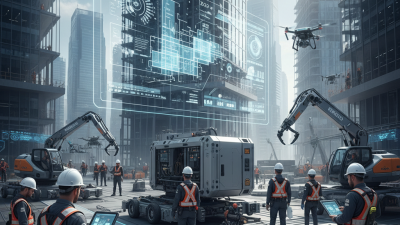
Smart technology integration is also on the rise. Devices equipped with IoT capabilities are set to transform construction sites. Data from the Construction Technology Institute shows that 54% of contractors are investing in these technologies for enhanced project monitoring and efficiency. While the potential benefits are significant, the learning curve for workers remains a challenge. The need for ongoing education and adaptation will be crucial in leveraging these advancements effectively.

Innovative Technologies Shaping the Future of Construction Industry

The construction industry is on the brink of a technological revolution. Innovations are being developed to enhance efficiency and sustainability. For instance, modular construction techniques are gaining traction. These methods reduce waste and speed up project timelines. Builders can assemble pre-fabricated sections on-site, minimizing construction delays caused by weather or labor shortages.

Artificial intelligence is another game-changer. AI can optimize project management and predict possible delays. It analyzes data to suggest improvements. However, reliance on AI raises concerns about job displacement. The integration of drones for site surveys is also noteworthy. Drones offer aerial views, ensuring precision in mapping and monitoring projects. Yet, they require skilled operators to navigate the evolving regulatory landscape.

As these technologies advance, the need for training becomes crucial. Workers must adapt to new tools. There is also a risk of over-reliance on technology. Human insight is vital in complex projects. Balancing tech and human skills will be essential for successful implementation. The future of construction will depend on how these factors are navigated.

2026 Best Products Under Construction for Global Buyers

Sustainable Materials: The Key to Eco-Friendly Building Practices

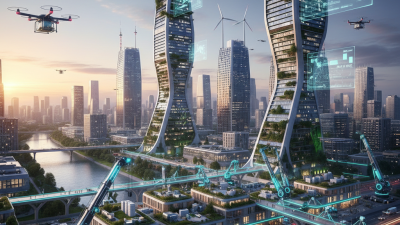
Sustainable materials are at the forefront of eco-friendly building practices. They reduce environmental impact and promote healthier living spaces. Materials like bamboo, recycled wood, and hempcrete are gaining popularity. These options not only minimize waste but also offer durability and aesthetic appeal. Builders are increasingly choosing locally sourced materials to decrease transportation emissions.

However, challenges remain. Many sustainable materials can be more expensive initially, which may deter some buyers. There's also a need for awareness; not everyone understands the benefits of these materials. Educational initiatives play a crucial role in informing the public. It's essential to highlight the long-term savings and health benefits associated with green building practices.

As trends evolve, more innovations are emerging daily. While we are making strides, the industry must continually reflect on its practices. Are we truly making the best decisions for the planet? Each choice in construction influences our environmental footprint. Balancing cost, sustainability, and aesthetics is critical for future developments.

Market Analysis: Global Demand for Specific Construction Products

The global construction industry is evolving rapidly. In 2026, the demand for specific construction products is projected to surge. Factors such as urbanization, economic growth, and sustainability are driving this shift. Emerging markets, particularly in Asia and Africa, will play a significant role. Innovative materials will be crucial in meeting these demands and expectations.

Understanding market trends is essential for potential buyers. Analyze the local preferences and sustainability requirements. Recognizing the unique needs of different regions can lead to better purchasing decisions. Factors like climate, labor availability, and technology adoption vary across markets. Buyers should not overlook quality standards; they can impact project outcomes significantly.

When navigating this dynamic landscape, focus on collaboration. Building relationships with local suppliers can provide invaluable insights. Attending industry trade shows can illuminate emerging products. Stay informed about advancements in construction technology, as they can enhance efficiency. Reflecting on past experiences will help identify gaps in knowledge, leading to more informed decisions.

2026 Best Products Under Construction for Global Buyers

Product Category Global Demand (Units) Market Growth Rate (%) Primary Regions
Eco-Friendly Building Materials 1,500,000 12% North America, Europe, Asia
Smart Construction Machinery 750,000 10% Asia, Europe
3D Printing Technology 300,000 15% North America, Asia
Modular Construction Solutions 900,000 8% Europe, North America
Sustainable Insulation Materials 600,000 14% Europe, Asia

Top Brands and Manufacturers to Watch in the Global Construction Sector

As the global construction sector evolves, several brands and manufacturers are making significant strides. Their innovative solutions are reshaping how projects are executed. The emphasis on sustainability is paramount. Many companies are now prioritizing environmentally friendly practices. This shift reflects a growing awareness of construction's impact on the planet.

Key manufacturers are investing in advanced technologies. Automation is enhancing efficiency on job sites. Drones and AI are being integrated into planning and monitoring processes. However, this can lead to challenges. The reliance on technology raises concerns about job displacement. It's crucial for the industry to balance innovation with the workforce's needs.

Moreover, the demand for durable materials continues to rise. Builders and contractors are looking for products that offer longevity. This trend often pushes suppliers to improve their offerings. Yet, not all manufacturers keep pace. Some still grapple with quality control, leading to inconsistent results. Buyers must remain vigilant in selecting reliable partners.