The world of building design is rapidly evolving. Experts believe that innovation is key to sustainability. Renowned architect Sara Williams once remarked, "Design should tell a story while embracing functionality." This perspective emphasizes the narrative behind every architectural choice.
Today's trends focus on integrating nature into urban settings. Living walls and green roofs are more than aesthetics; they improve air quality. However, while these features shine, there are challenges in their implementation. Designers must balance ambition with practicality.
Smart technology is another influential element. With building automation, creating energy-efficient spaces has never been easier. Yet, this reliance on tech raises questions about accessibility. Are all users included in this digital transformation? Reflecting on these issues is crucial for future generations in building design.
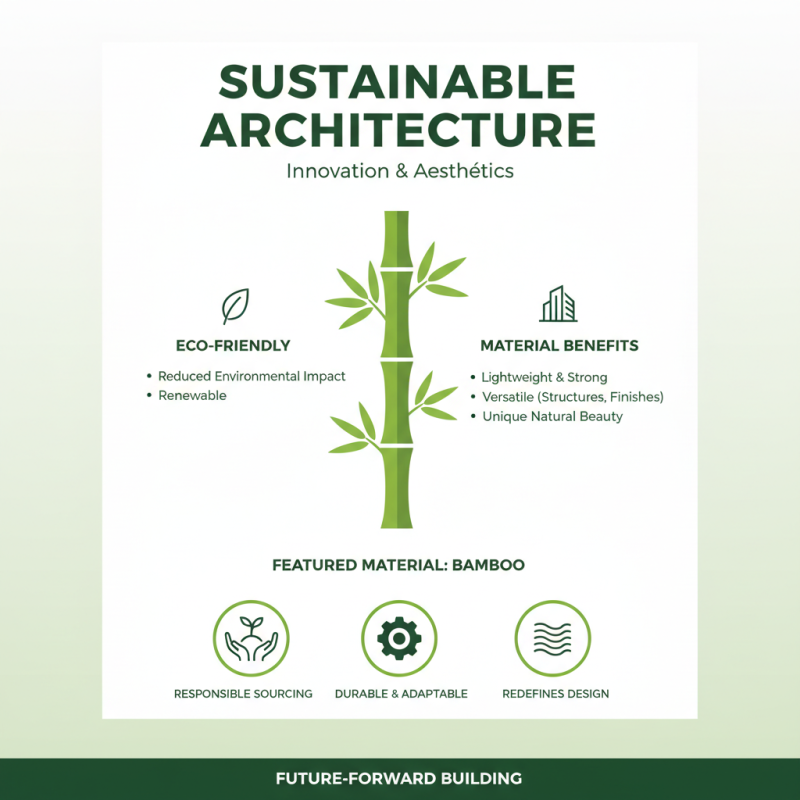
The architectural world is increasingly embracing innovative sustainable materials. These materials are more than just eco-friendly; they can redefine aesthetic appeal. Think of bamboo, for example. It's lightweight, yet incredibly strong. Bamboo can be used in various building structures, offering a unique visual charm. However, its sourcing needs to be carefully managed to avoid overharvesting.
Recycled materials are also gaining momentum. From reclaimed wood to recycled steel, these elements add character and history. Every piece tells a story, although the challenge lies in ensuring quality and durability. Some recycled materials can be unpredictable. It requires skilled craftsmanship to integrate them effectively.
Natural materials like rammed earth and straw bales are re-emerging too. They promise excellent thermal performance. Still, they may not suit all climates or designs. Each material brings its own set of challenges. As architects experiment, the risk of failure grows. Sustainable design is not just about being trendy; it requires thoughtful consideration of long-term impacts.
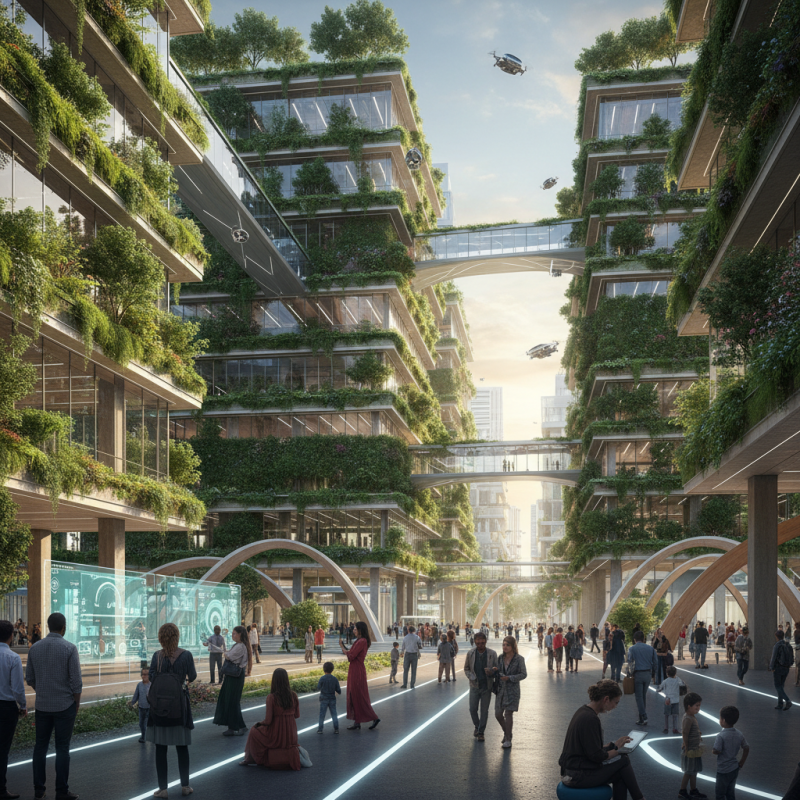
Biophilic design is making a significant impact in urban architecture. This approach connects people with nature. It incorporates elements like plants, natural light, and water. For instance, office buildings feature indoor gardens. These spaces promote relaxation and improve air quality. People working there feel more energized and engaged.
However, integrating biophilic design poses challenges. Not every city has ample green space. Some urban areas lack sunlight. Designers must get creative. Vertical gardens become essential in high-rise buildings. Engineers use innovative materials to maximize natural light. Yet, these solutions can be costly and complex.
Community involvement is crucial in these projects. Engaging local voices helps create meaningful spaces. Sometimes, developers overlook the needs of residents. This disconnect results in poorly received designs. Balancing nature with urban utility demands constant reflection. Embracing biophilic design means understanding both beauty and practicality.
Smart technology integration is reshaping building design. Today, over 70% of architects report using smart technologies in their projects. This trend is not just about innovation; it’s about efficiency and sustainability. Buildings equipped with smart systems can reduce energy consumption by up to 30%. This capability meets growing demands for eco-friendly design.
Data from recent architectural studies show that smart technologies enhance user experience. Features like automated lighting and climate control create comfortable environments. However, there are hurdles to consider. Not all smart systems are user-friendly, causing frustration among occupants. Additionally, cyber security risks pose threats to essential building operations.
Integrating smart technology requires careful planning. Architects must balance aesthetics with functionality. In many cases, the complexity of technology can overwhelm the design process. Yet, the potential benefits remain significant. Smart buildings can adapt to user needs and promote well-being. The right approach can lead to innovative spaces that respond dynamically to their environments.
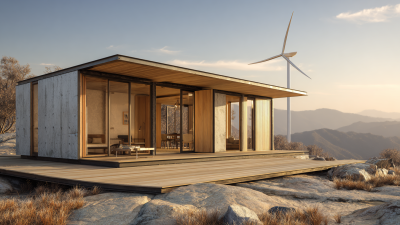
Flexible spaces are redefining how we interact with our environment. As our lifestyles evolve, buildings must adapt accordingly. A home office needs to transform into a guest room at a moment’s notice. Open layouts facilitate this transition, promoting easy reconfiguration without losing functionality.
Natural light is vital in these designs. Large windows or sliding glass doors create an illusion of space. This connection to the outside world nurtures mental well-being. However, maintaining privacy can be a challenge in such layouts. Balancing openness with comfort requires thoughtful planning.
Unexpected elements can enhance these flexible spaces. For example, movable walls allow for quick adjustments. An area for yoga can instantly become a gathering place. But not every solution is perfect; some may lead to cluttered designs. As architects embrace flexibility, they must also contemplate practicality and long-term sustainability.
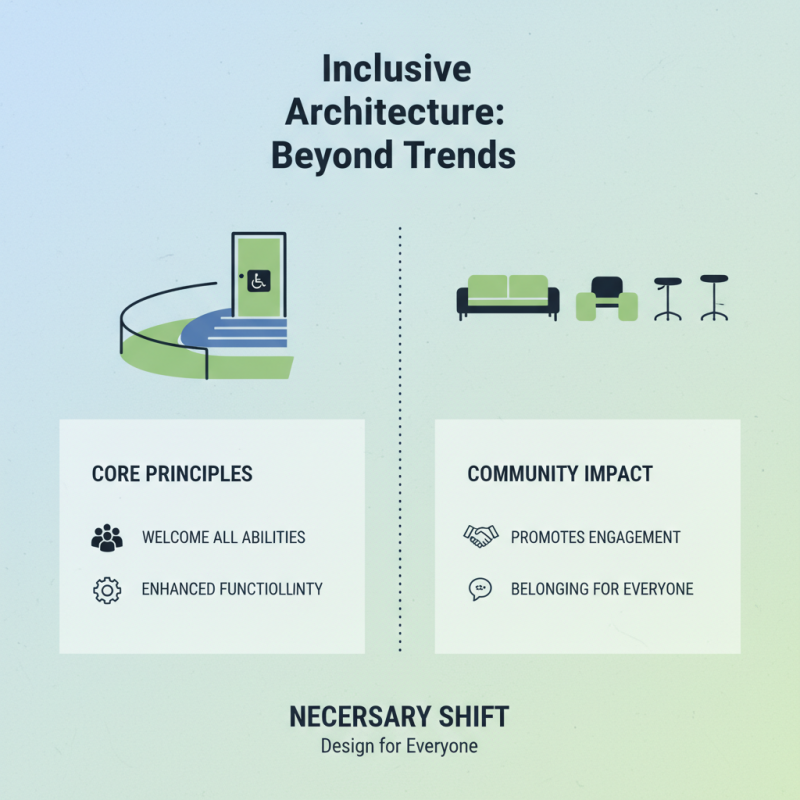
Inclusivity and accessibility are more than trends; they represent a necessary shift in architectural design. Spaces should welcome everyone, regardless of their abilities. This approach not only enhances functionality but also promotes community engagement. For instance, designing ramps alongside stairs allows seamless movement for all individuals. Custom seating areas can cater to diverse needs, ensuring nobody feels left out.
Tips to enhance inclusivity: Consider varying table heights in communal areas. It enables better access for people in wheelchairs or those who prefer sitting. Use easy-to-read signage with contrasting colors to help those with visual impairments. Incorporate textured pathways to guide visually impaired individuals through a building, making navigation intuitive.
Architects must constantly reflect on their designs. It’s vital to consider how spaces adapt to the changing dynamics of society. For example, restrooms should have clear signage indicating gender-neutral options. Additionally, mobile partitions can create flexible spaces suitable for diverse events. Such considerations make a significant difference in fostering a truly inclusive environment.