China’s pre engineered buildings industry has become a significant force in global industrial construction. Its growth reflects China’s extensive steel capacity, advanced fabrication equipment, and export-oriented manufacturing networks. World Steel Association data reported crude steel production above 1.8 billion tonnes globally in 2023. Construction remained one of the largest steel-consuming sectors.
The opportunity is substantial. The challenge is choosing reliable manufacturers. A polished website proves very little. Buyers should examine factory audits, welding procedures, material certificates, and project records. ISO 9001 certification can support quality control, but it cannot replace independent verification. Strong suppliers usually show traceable steel coils, automated cutting lines, controlled welding stations, and documented inspection points. These details matter when a warehouse roof spans dozens of metres.
Sustainability also changes the evaluation. The United Nations Environment Programme reported that buildings and construction consumed about 32% of global energy and produced approximately 34% of global CO2 emissions in 2022. Efficient design, recyclable steel, accurate detailing, and reduced site waste therefore deserve serious attention. China’s best manufacturers should explain insulation performance, corrosion protection, fire compliance, and local engineering standards clearly.
This guide examines leading Chinese manufacturers through capability, engineering experience, certification, delivery performance, and after-sales support. It does not treat company size as automatic proof of excellence. No ranking is perfect. A smaller fabricator may outperform a larger exporter on one project, especially when communication is better. Buyers should compare evidence, not promises, before selecting a partner for pre engineered buildings.
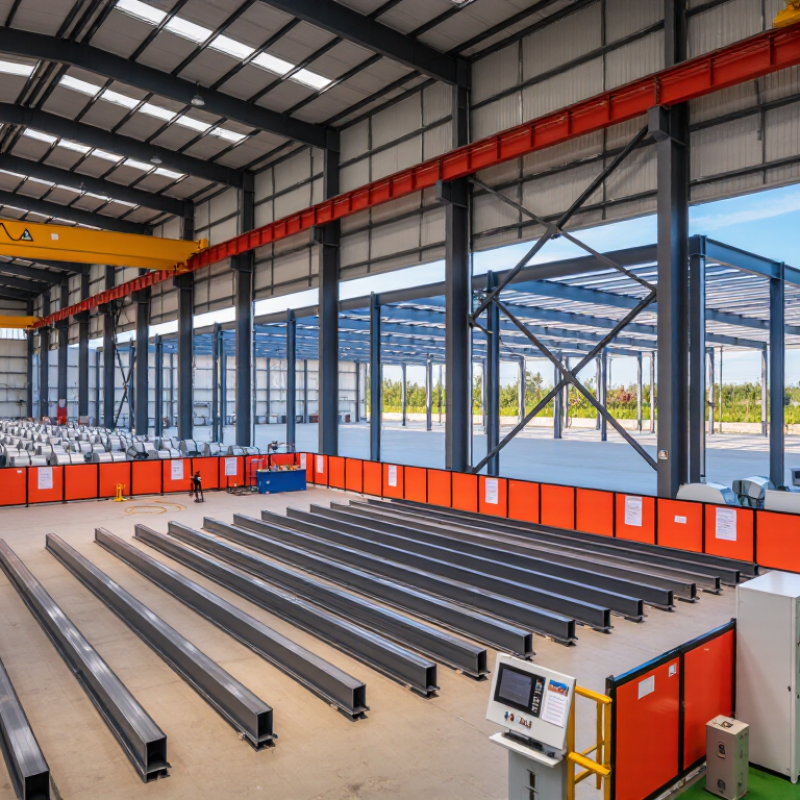
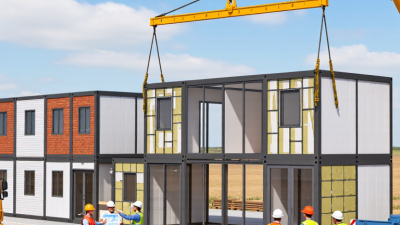
A pre-engineered building is a structure designed around standardized steel components. Engineers calculate the frame, connections, roof, and wall systems before fabrication begins. The parts are then cut, drilled, coated, and prepared in a controlled factory environment. Bolted connections allow faster assembly on site. Insulated panels can improve indoor comfort and reduce energy loss. This method suits warehouses, workshops, agricultural facilities, logistics centers, and temporary commercial spaces. It also supports future extensions when the original layout allows them.
The term “pre-engineered” can mislead. The building is not automatically suitable for every location. Local wind, snow, seismic activity, soil conditions, fire rules, and drainage requirements still need professional review. Manufacturers in China often provide detailed drawings, load calculations, material certificates, and installation instructions. Reliable suppliers also use quality checks for steel thickness, welding, coating, and bolt performance. A practical site lesson is simple: speed is valuable, but rushed foundations can damage the whole schedule. I would not treat a standard bay size as a universal solution. A low-cost panel may also perform poorly in humid or coastal environments without proper protection. Experienced engineers should verify the design against local codes and the building’s actual use, especially where cranes, heavy equipment, or chemical exposure are involved.
China’s pre-engineered buildings industry is not a single-factory business. It operates through a connected chain of specialized companies. Steel producers supply coils, plates, and structural sections. Design institutes prepare calculations, drawings, and connection details. Fabricators then cut, weld, drill, and coat each component in controlled workshops.
Many leading manufacturers act as system integrators. They coordinate engineering, procurement, fabrication, logistics, and site installation. Their factories often use CNC cutting lines, automated welding equipment, and shot-blasting systems. Quality teams inspect steel thickness, bolt holes, welds, and coating performance. Independent testing may verify material certificates and structural calculations. These records matter when projects cross provincial or national borders.
The industry also includes insulation suppliers, roofing specialists, crane contractors, and local erection crews. This network makes production flexible, especially for warehouses, workshops, logistics centers, and agricultural buildings. Export-oriented manufacturers usually add container planning, translation support, and compliance reviews. Standards can differ between regions, so copied drawings may create expensive problems. That happens more often than expected.
From project experience, the weakest point is not always fabrication. It may be unclear scope between the designer, supplier, and installer. A reliable buyer should check factory capacity, engineering responsibility, inspection procedures, and after-sales response. Price still influences decisions. Yet the lowest quotation can hide thinner coatings, weaker coordination, or incomplete foundation information. The structure is efficient, but not perfect. Careful communication remains essential.
Pre-engineered buildings in China are typically organized around five connected activities: structural engineering, primary steel framing, secondary framing, building envelope systems, and project delivery. The chart shows a representative project-scope allocation, not company market share.
The percentages represent a practical reference allocation of project scope commonly used for explaining PEB value-chain structure. Actual proportions vary by building type, span, enclosure specification, location, and installation requirements.
China’s leading pre-engineered building manufacturers are defined by engineering depth, not factory size alone. They convert site loads, soil data, fire ratings, and local codes into coordinated steel systems. The World Steel Association reported that China produced about 1,019 million tonnes of crude steel in 2023. That industrial base supports stable material access, but quality still depends on traceability, welding control, and certified inspection.
Strong manufacturers use BIM, automated cutting, robotic welding, and digital shop drawings. They should provide mill certificates, weld procedure records, coating thickness readings, and dimensional reports. A practical factory visit should reveal labeled steel members, barcode tracking, and trial assembly areas. Small details matter. A missing bolt plan can delay an entire erection crew. McKinsey’s 2019 modular construction analysis found that industrialized methods may reduce project schedules by 20–50% under suitable conditions. Those gains disappear when design coordination is weak.
Leading suppliers also manage wind, snow, seismic, corrosion, and fire requirements for the destination market. Their engineers should explain load paths without hiding behind attractive renderings. Logistics planning is another capability: container packing, lifting points, moisture protection, and replacement-part support. The 2024 Global Construction Perspectives outlook continues to highlight productivity pressure across construction, making repeatable manufacturing increasingly valuable. Yet “prefabricated” does not guarantee performance. I would still request independent testing and a pilot bay before approving full production. That caution is necessary.
Comparing Chinese PEB manufacturers requires more than checking the lowest quotation. China produced 1,019.1 million tonnes of crude steel in 2023, according to World Steel in Figures 2024. This shows strong supply capacity, but it does not prove engineering quality. Ask for stamped structural calculations, material traceability, welding procedures, and inspection records. Compare steel grades, design loads, connection details, coating thickness, fire resistance, and seismic performance. A reliable supplier should explain these items clearly.
Tips: Request a sample bill of materials and one complete shop drawing. Check whether the quoted weight includes secondary steel, bolts, insulation, and accessories. Confirm tolerances before production. My early comparisons focused too heavily on price. That mistake created installation delays and extra site cutting. Factory videos help, but independent inspection is stronger evidence. Verify certificates with the issuing organization, not only a scanned PDF.
Energy performance also deserves attention. The 2023 UNEP Global Status Report for Buildings and Construction states that buildings and construction consumed 32% of global energy and produced 34% of global carbon emissions in 2022. Therefore, compare insulation R-values, thermal bridges, ventilation planning, daylight design, and roof reflectance. Ask for tested panel data under the target climate. A cheap envelope may increase operating costs for decades. Product brochures often hide this weakness. A transparent manufacturer will provide calculations, test reports, references, and realistic delivery limits.
| Comparison Dimension | Commonly Available PEB Product Data | What Buyers Should Compare | Recommended Verification Documents |
|---|---|---|---|
| Primary Structural Steel | Welded built-up I-sections and hot-rolled steel members are commonly used. Chinese structural grades frequently include Q235B and Q355B, subject to the project design. | Check the specified steel grade, yield strength, tensile strength, elongation, impact requirements, and whether the material is suitable for the project temperature and loading conditions. | Material mill certificates, chemical and mechanical test reports, heat-number traceability, and the applicable design specification. |
| Applicable Design Codes | Projects may be designed to Chinese standards or international codes, depending on the destination market. Typical references include GB standards, EN 1993, AISC 360, ASCE 7, or local building regulations. | Confirm that the manufacturer can design for the governing wind, snow, seismic, fire, serviceability, and connection requirements of the installation location. | Design basis, code list, calculation package, signed drawings, engineer qualifications, and independent design-review records where required. |
| Typical Building Span | Many PEB systems are configured for clear-span industrial buildings. Practical span capability depends on loads, frame spacing, building height, crane loads, deflection limits, and transportation restrictions. | Compare the clear internal span, number of bays, frame spacing, eave height, roof slope, intermediate columns, and allowance for future expansion. | General arrangement drawings, structural calculations, frame reactions, deflection checks, and a project-specific quotation. |
| Design Loads | Design normally considers dead load, roof live load, wind load, snow load where applicable, seismic action, suspended services, photovoltaic panels, and crane or equipment loads. | Do not compare quotations using only steel tonnage. Verify the same site coordinates, load combinations, internal pressure assumptions, roof accessories, and serviceability limits. | Site-specific load schedule, load combinations, reaction tables, and structural analysis output. |
| Roof and Wall Cladding | Common options include insulated sandwich panels, single-skin profiled sheets, standing-seam systems, and built-up insulation assemblies. Core options may include EPS, rock wool, or polyurethane-based insulation. | Compare panel thickness, thermal conductivity, fire classification, water tightness, joint design, fastener arrangement, acoustic performance, and replacement availability. | Product data sheets, fire-test reports, thermal-performance calculations, coating specifications, and installation details. |
| Steel Surface Protection | Common systems include shop-applied primer and topcoat, zinc-rich systems, hot-dip galvanizing for selected secondary members, or combinations of these methods. | Compare surface-preparation grade, coating type, dry-film thickness, corrosion category, expected maintenance interval, and repair procedures after erection. | Coating specification, surface-preparation records, dry-film thickness reports, paint manufacturer technical data, and inspection records. |
| Connection Engineering | Primary frames are generally assembled with bolted site connections, while shop welding is used for fabricated members. | Check bolt grade, pretension requirements, hole tolerances, splice locations, connection accessibility, erection sequence, and provisions for field adjustment. | Connection calculations, fabrication drawings, bolt certificates, installation instructions, and torque or tension inspection records. |
| Fabrication Quality Control | Key controls include incoming material inspection, cutting, welding, dimensional checks, non-destructive testing where specified, coating inspection, and final packing inspection. | Compare the inspection and test plan, welding procedures, welder qualifications, dimensional tolerances, NDT scope, nonconformance handling, and traceability system. | ISO 9001 certification where applicable, ITP, welding procedure specifications, welder certificates, NDT reports, inspection releases, and quality dossiers. |
| Manufacturing Capacity | Capacity should be evaluated by usable fabrication area, equipment, production shifts, project size, and current production workload rather than by a single advertised annual tonnage figure. | Confirm whether the facility can handle the required member sizes, plate thicknesses, welding processes, coating system, packaging method, and delivery schedule. | Factory audit, equipment list, recent production records, capacity statement, production schedule, and photographs or live inspection results. |
| Delivery and Packaging | Exported PEB components are normally marked, bundled, protected against moisture, and packed according to the shipping method and container or break-bulk requirements. | Compare the approved packing list, bundle dimensions, gross weight, corrosion protection, lifting points, container utilization, spare parts, and unloading requirements. | Packing plan, container-loading drawings, shipping marks, final packing list, export documentation, and preservation instructions. |
| Erection Support | Support may include erection drawings, method statements, bolt schedules, installation manuals, remote technical assistance, or an on-site supervision option. | Compare the scope of technical support, responsibility for temporary bracing, required lifting equipment, site tolerances, training, and response time for RFIs. | Erection method statement, installation sequence, lifting plan, site-support quotation, and responsibility matrix. |
| Fire and Life-Safety Requirements | Fire performance is project-specific. Steel members may require fire protection, and sandwich panels must meet the fire classification required by the local authority. | Compare fire-resistance duration, reaction-to-fire classification, smoke requirements, fire stopping, compartmentation, escape routes, and compatibility with local approvals. | Fire-test and classification reports, fire-protection calculations, authority approvals, and project-specific fire design documents. |
| Energy and Environmental Performance | Energy performance depends on insulation thickness, thermal bridges, air leakage, doors, skylights, ventilation, and local climate. | Compare U-values, thermal-bridge treatment, condensation control, daylight strategy, ventilation provisions, and the use of recyclable steel. | Thermal calculations, condensation analysis, product environmental information, material declarations, and the applicable energy-code compliance report. |
| Commercial Comparison | PEB quotations may be priced by total project value, steel weight, covered floor area, or a combination of supply and erection scopes. | Normalize quotations to the same design loads, specification, Incoterm, delivery location, taxes, accessories, erection scope, testing, warranty, and exclusions before comparing price. | Itemized bill of materials, technical offer, commercial offer, Incoterms, payment schedule, exclusions list, and change-order terms. |
| Warranty and After-Sales Service | Warranty terms vary by contract and product type. Structural, coating, cladding, doors, insulation, and accessories may have different coverage periods. | Review warranty duration, defect definitions, exclusions, response time, spare-parts availability, inspection obligations, and the process for claims. | Signed warranty document, service-level terms, maintenance manual, replacement-parts schedule, and reference project documentation without relying on brand claims. |
Choosing a Chinese pre-engineered building supplier requires more than comparing quotations. Buyers should verify factory capacity, engineering experience, and export records. Request recent project references with similar spans, loads, climates, and building uses. Photos help, but signed drawings and inspection records matter more.
Ask for material certificates showing steel grade, thickness, and coating performance. Check how the supplier controls welding, cutting, shot blasting, and dimensional accuracy. A factory visit can reveal useful details, such as organized steel storage and calibrated testing equipment. It can also reveal weaknesses. Do not ignore them. Confirm whether an independent inspector may review production before shipment.
Review the technical proposal line by line. It should define wind speed, snow load, seismic requirements, drainage, insulation, fire protection, doors, and installation scope. Clarify who handles foundation adjustments when site measurements differ. This point is often overlooked. A low price may exclude flashing, fasteners, lifting plans, or replacement panels. That creates expensive arguments later.
Evaluate communication as carefully as production. Reliable suppliers answer technical questions with drawings, calculations, and clear revision records. They should explain lead times, packing methods, container loading, customs documents, warranty limits, and spare parts. Payment milestones should match measurable production stages. Avoid choosing only by price. A cheaper offer may contain thinner steel or weaker corrosion protection. Even experienced buyers can miss small exclusions, especially under schedule pressure. A written checklist reduces that risk, but it cannot replace careful judgment.