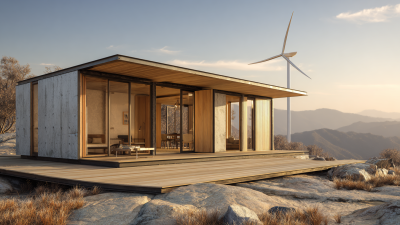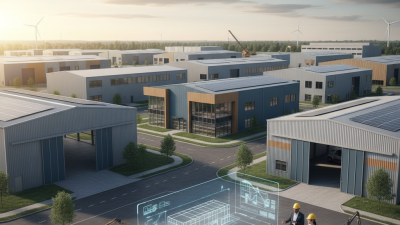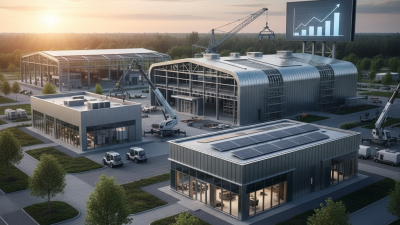
Prefabricated building offers a fresh perspective on modern construction. According to industry expert John Smith, “The future of construction lies in prefabrication.” This statement highlights the growing importance of this approach. Prefabricated buildings are not only efficient but also versatile.
Many projects can benefit from prefabrication. It often leads to reduced waste and faster assembly times. However, some traditional builders resist this change, viewing it as a threat. They often fear losing the craftsmanship associated with conventional building methods. The reality is that prefabricated building can enhance quality through precision engineering.
It is essential to consider the challenges that come with this method. Not all designs are suited for prefabrication. Sometimes, customization becomes complicated. Yet, many successes demonstrate the effectiveness of prefabricated buildings. This approach can transform how we think about construction today.
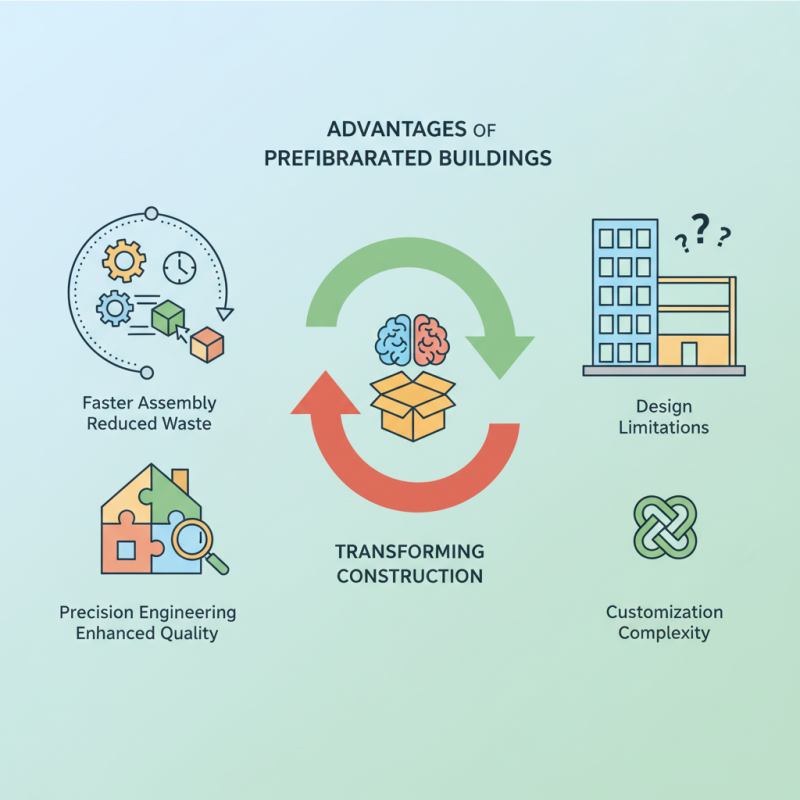
Prefabricated buildings have transformed the construction industry significantly. These structures are manufactured off-site, which saves time and reduces waste. This efficiency can lead to lower overall costs. Builders can focus on assembly rather than time-consuming on-site construction tasks. This approach is particularly useful in tight schedules or projects with limited budgets.
Cost savings are not just from labor reduction. Prefabrication minimizes material waste. This is crucial in a world where sustainability matters. Even though these buildings can be more efficient, some may argue they lack customization. However, many companies offer diverse designs. This allows for flexibility, despite the straightforward assembly process. In addition, prefabricated buildings often have faster inspection and approval times.
Time efficiency and cost reduction are not without challenges. Sometimes, coordination between manufacturers and site managers may falter. Delays can occur if logistics are not well-planned. Relying on prefabrication might make some feel less control over quality. This notion requires careful consideration. Overall, prefabricated buildings present a blend of unique advantages and potential limitations in construction.
| Aspect | Traditional Building | Prefabricated Building |
|---|---|---|
| Construction Time | 6-12 months | 3-6 months |
| Cost Efficiency | Higher Material Waste | Lower Material Waste |
| Labor Requirements | High Labor Intensity | Reduced Labor Needs |
| Quality Control | Variable Quality | Consistent Quality |
| Environmental Impact | Higher Emissions | Lower Emissions |
Prefabricated buildings are gaining popularity. They offer significant cost savings compared to traditional methods. Recent studies suggest that projects can save up to 20% on overall costs. This reduction comes from streamlined production and faster assembly on-site. Labor costs are lower, too, as less time is needed for construction.
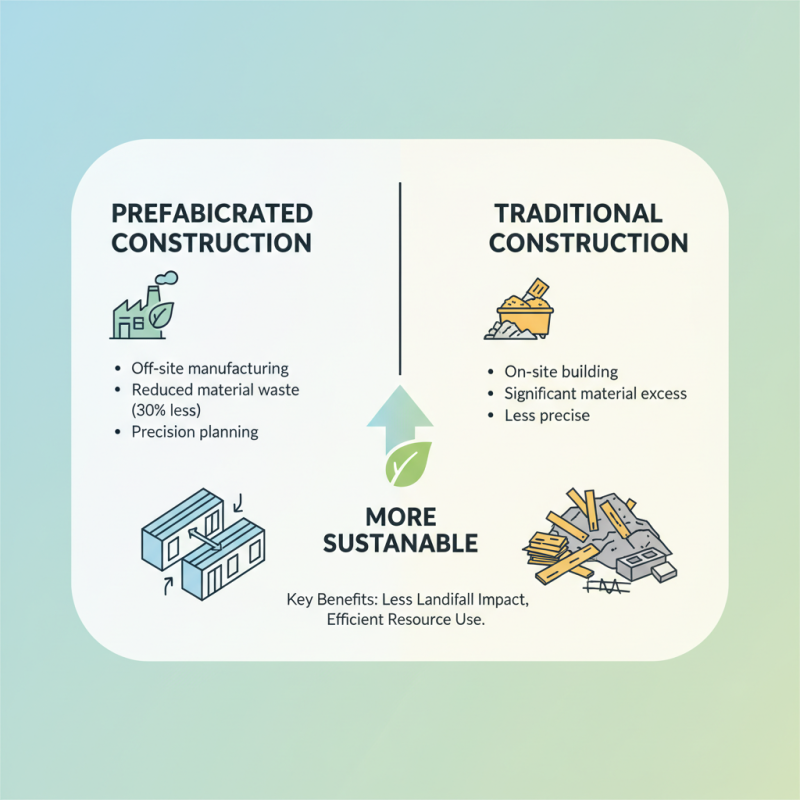
Data reveals interesting insights. For instance, many developers report reduced waste materials with prefabricated designs. Up to 30% less waste means not just savings but also environmental benefits. However, it's crucial to consider potential downsides. Sometimes, customization may be limited. There could be challenges in matching site conditions with factory-made components. These factors may impact project timelines or building performance.
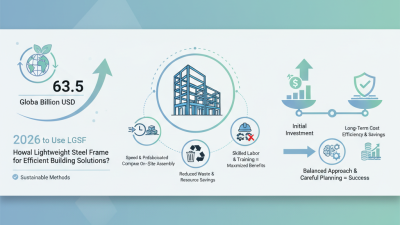
Investing in prefab can be a smart choice. Yet, it requires careful planning. Proper assessment of needs is essential. Balancing cost and design elements is key for success. Analyzing past projects and learning from mistakes can lead to better outcomes. Prefabricated buildings present a promising alternative, but caution is necessary.
Prefabricated buildings are gaining traction for their sustainable construction methods. These structures are built off-site, which can significantly reduce waste. Traditional construction often results in excess materials ending up in landfills. In contrast, prefabrication allows for more precise planning and material use. Each component is crafted in a controlled environment, minimizing mistakes and maximizing efficiency.
Sustainability extends beyond materials. Transportation emissions are often lower or more manageable when using prefabricated sections. Assembly is quicker on-site, which can lessen the overall carbon footprint. However, this does not negate the need for careful logistical planning. If not managed well, transport can also become a source of excess emissions. Building with local materials can further enhance sustainability but requires consideration of local resources.
The process is not without challenges. Not all methods guarantee a reduced environmental impact. Factors such as energy consumption during production must be assessed. Additionally, maintaining quality while trying to be sustainable is a constant balancing act. Exploring the nuances of prefabricated building invites reflection on how best to integrate those methods into broader eco-friendly strategies.
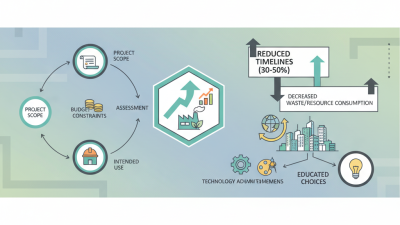
Prefabricated buildings are gaining attention for their efficiency. The time savings they offer can be significant. Traditional construction often involves lengthy timelines filled with delays. Weather, labor shortages, and material delays can push projects back for weeks or months. In contrast, prefabricated structures are built offsite in controlled environments. This helps mitigate those issues and speeds up the process.
A typical prefabricated project can be completed in just a few months. This timeline accounts for manufacturing and assembly. Once the pieces are ready, they can be quickly erected on site. The reduced on-site construction time minimizes disruptions. However, this approach necessitates thorough planning and precise logistics. Any mistakes in design can lead to costly revisions.
While prefabrication is efficient, it is not without challenges. Coordination between manufacturers and builders is crucial. Miscommunication can derail timelines, leading to frustration. Additionally, not every project suits prefabricated methods. Unique designs or custom features might require more traditional processes. It's essential to evaluate the specific needs of each construction project carefully.
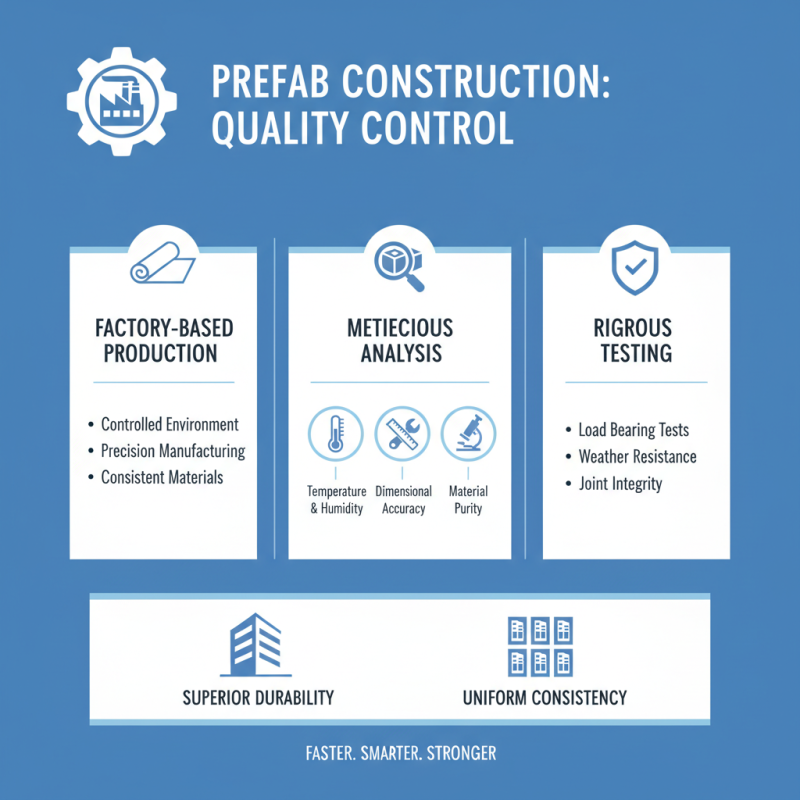
Prefabricated buildings offer a modern approach to construction. One of the key benefits is the quality control achieved through factory-based production. When components are built in a controlled environment, numerous factors are analyzed meticulously. This ensures durability and consistency across each section of the structure. Each piece undergoes rigorous testing, which is harder to achieve on-site.
Additionally, the assembly line process allows for precise measurements and reduced human error. Workers can focus on specific tasks, honing their skills. It often results in fewer defects, yet it's not foolproof. Occasionally, there are issues that arise when pieces are transported to the construction site. This can lead to minor adjustments. Those adjustments can disrupt timelines, prompting reflection on how logistics impact overall productivity.
Moreover, factory-built structures utilize advanced technology. Automated processes, like laser cutting, improve precision. However, embracing such technology might lead to dependency. Relying too heavily on automation could diminish traditional craftsmanship skills. It's essential to strike a balance between innovation and human touch. Maintaining quality control is crucial, but so is preserving the art of building.