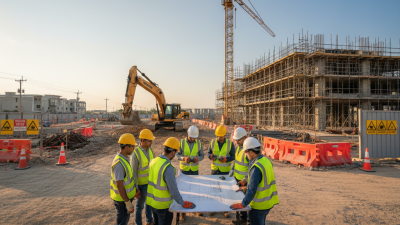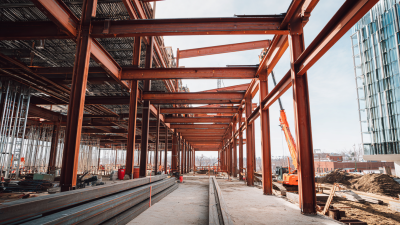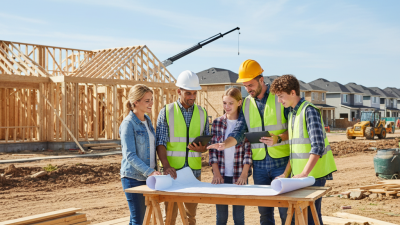
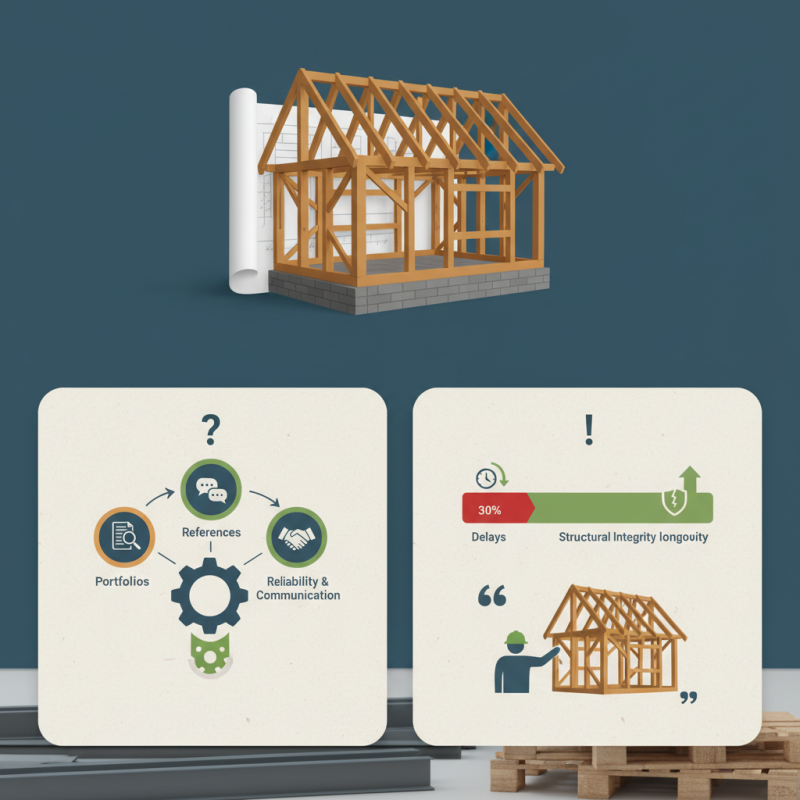
Choosing the right framing contractors can significantly impact your construction project. According to the National Association of Home Builders, approximately 30% of construction delays stem from poor contractor choices. Framing is a crucial part of any build. It lays the groundwork for everything that follows. A well-constructed frame ensures structural integrity and longevity.
Industry expert John Smith emphasizes, "A solid frame is the backbone of any successful project." His insights highlight the importance of selecting framing contractors with proven expertise. It’s essential to assess their previous work and client satisfaction. Not all contractors have the same skill level. Some may lack attention to detail or experience, leading to costly mistakes.
When evaluating potential framing contractors, consider their portfolios and references. This process reveals both their strengths and weaknesses. A fit isn't guaranteed, even with impressive credentials. Approach your selection carefully, weighing factors such as reliability and communication. Your project deserves a solid foundation, and the right contractors play a pivotal role in achieving that.
Framing contractors play a critical role in construction projects. They are responsible for creating the skeleton of a building. This involves not only walls but also floors and roofs. The quality of framing directly impacts the overall integrity of the structure. A report from the National Association of Home Builders states that poor framing can lead to costly repairs later on. This highlights the importance of selecting skilled contractors.
One key detail to consider is experience. Contractors with a solid portfolio demonstrate capability. They should be familiar with various materials and techniques. According to a survey by Construction Industry Institute, about 70% of successful projects stem from effective contractor selection. However, not every contractor meets the mark. Some may lack essential skills or fail to communicate properly. This can lead to misunderstandings and mistakes during construction.
Budget constraints often drive decisions. While cost is important, it shouldn’t be the only factor. Choosing the cheapest option can backfire. A poorly executed framing job can incur higher costs later on. Investing in quality craftsmanship pays off in the long run. It’s crucial to ask for references and past project examples when selecting a contractor. Even the best need continuous feedback to refine their skills.
When choosing a framing contractor, several key qualities matter. Experience tops the list. An experienced contractor understands the nuances of building structures. They can anticipate challenges that less seasoned workers may miss. A good contractor knows local codes and regulations thoroughly. This knowledge helps prevent costly mistakes.
Another important quality is communication. A reliable contractor keeps clients informed throughout the process. They listen to your needs and offer advice when necessary. Open dialogue fosters trust and ensures you remain aligned on the project’s vision. Look for contractors who willingly share updates and respond to queries.
Tips: Check references. Speak to past clients about their experiences. A contractor with positive feedback is more likely to deliver quality work. Don't shy away from asking for their portfolio. Visual proof can often highlight their skills. Additionally, ensure they have proper insurance. This protects both you and the contractors in case of accidents on-site. Balancing cost and quality is also crucial. Sometimes, the cheapest option sacrifices quality. Reflect on what matters most for your project.
When selecting framing contractors, examining their portfolios is crucial. A strong portfolio showcases the contractor's style and expertise. Look for a variety of projects. This reflects versatility and adaptability. Pay attention to the details in their work. Notice the quality of materials used and the precision of their cuts. Imperfections in craftsmanship can indicate rushed jobs or inexperience.
Aside from portfolios, reviewing previous work is important. Seek out client testimonials or case studies. These provide insight into the contractor’s problem-solving capabilities. Did they meet deadlines? Were they responsive during projects? Sometimes, a project doesn't go as planned. A contractor’s ability to address these challenges speaks volumes.
Keep an eye out for projects that tell a story. The flow and design should convey a clear vision.
Visiting completed sites can also be informative. Observe the final outcomes and overall aesthetics. Are the finishes clean? Does the structure feel robust? Sometimes, portfolios exaggerate. Real-life inspections provide a more balanced view. Dialogue with past clients can reveal hidden issues or praise. This reflective approach will help you make a more informed choice regarding your framing contractor.
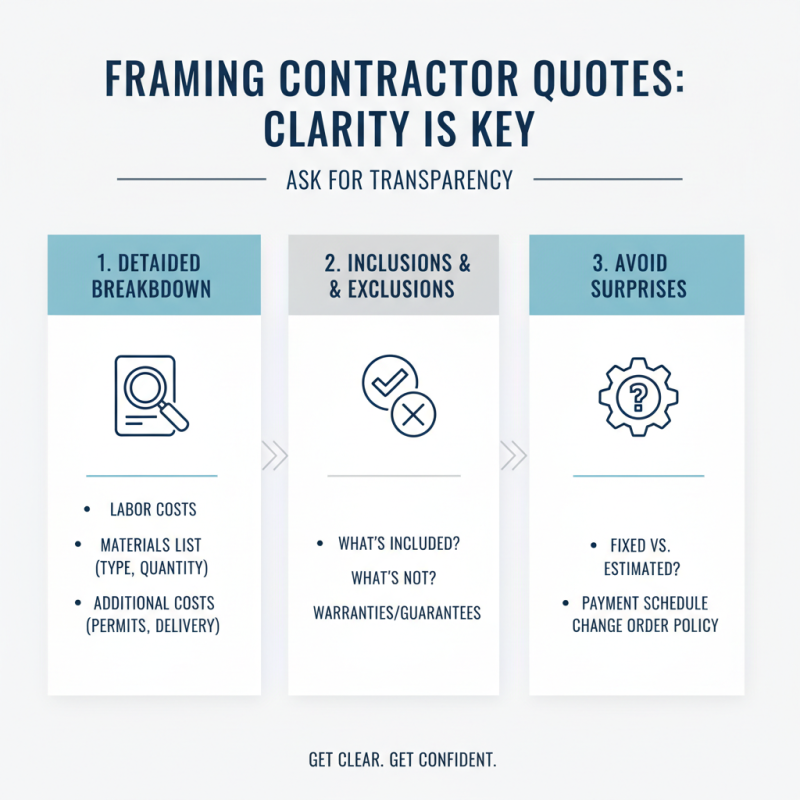
When comparing quotes from framing contractors, clarity is key. Start by asking each contractor for a detailed breakdown of their services. This includes labor, materials, and any additional costs. Look for transparency. Are they clear about what is included in the quote? Vague estimates can lead to surprises later.
Consider the timeline for each project. When will they start? How long will the work take? Some contractors may promise quick completion but might rush the work. Rushed jobs can result in mistakes. You might also want to check their availability around your schedule. Choosing a contractor who aligns with your timeline is essential.
Evaluate the quality of materials proposed. Not all contractors will use the same standards. Some may recommend cheaper options that compromise the project's durability. Pay attention to these details as they impact long-term results. Don’t hesitate to ask questions or request revisions for better clarity. Reflect on each quote carefully. What doesn't seem right? A hasty decision could lead to regret.
Choosing the right framing contractors is crucial for any construction project. Asking the right questions during initial consultations can reveal their expertise. Start with the contractor’s experience. "How long have you been in business?" This can help assess their reliability. Also, inquire about previous projects similar to yours. You want to know they’ve handled similar challenges before.
Next, discuss their approach to problem-solving. "Can you provide an example of a challenge you faced and how you resolved it?" This gives insight into their critical thinking and adaptability. Don't forget to ask about timelines. "What is your estimated schedule for this project?" Delays can be costly, so be cautious if their timeline seems vague or overly optimistic.
Finally, clarity on communication is vital. "How do you keep clients updated on progress?" If a contractor is ambiguous about their communication methods, that might be a red flag. It’s essential to ensure that your contractor can articulate their plans clearly. Remember, ask these questions not just to gather answers but to gauge if you feel comfortable working with them. Trust and understanding matter in any project collaboration.