How to Choose the Right Pre Engineered Buildings for Your Project?

When embarking on a construction project, choosing the right pre engineered buildings is crucial. Michael Thompson, a leading expert in the pre engineered buildings sector, asserts, "Selecting the right design can elevate the functionality of any project." His insight highlights the critical nature of making informed choices.

Pre engineered buildings offer numerous advantages, such as cost efficiency and rapid assembly. However, not all options fit every project. Understanding your specific needs is vital. Are you focused on durability, design, or speed of construction? These factors can significantly impact your decision.

Each project presents unique challenges. Every detail counts in achieving success. Reflecting on past experiences may reveal mistakes. Learning from them ensures better choices in the future. In the end, selecting the right pre engineered buildings requires careful consideration and expertise.
How to Choose the Right Pre Engineered Buildings for Your Project?

Understanding the Basics of Pre-Engineered Buildings in Construction Projects

Pre-engineered buildings (PEBs) are crucial in modern construction. They are designed for efficiency and cost-effectiveness. Understanding their basics can empower project managers and builders alike.

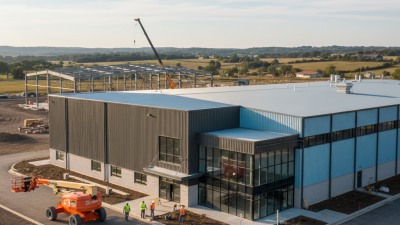
PEBs are manufactured in a factory and then shipped to the construction site. This process reduces time and labor costs. They typically consist of steel frames and can be customized based on specific needs. However, not all PEB designs serve every purpose. Clients should evaluate factors like design flexibility, building codes, and structural integrity before making a decision.

Tip: Consult with an expert in PEB design. They can provide guidance on specific requirements and materials. Getting this step right is vital.

Choosing the right pre-engineered building may also come with challenges. Misjudging the site conditions, for example, can lead to significant delays. It's vital to assess soil quality and regional climate impacts thoroughly. Ignoring these elements could result in costly modifications later on.

Tip: Keep your project stakeholders informed throughout the process. Regular communication fosters collaboration and can prevent misunderstandings.
Identifying Project Requirements: Purpose, Size, and Budget Constraints

When choosing pre-engineered buildings (PEBs), identifying project requirements is crucial. Understanding the purpose of the building is the first step. Are you looking for a warehouse, manufacturing facility, or a commercial space? Each purpose dictates specific design and engineering needs. According to a report by the Metal Building Manufacturers Association, over 40% of industrial buildings in the U.S. were pre-engineered in recent years, marking a trend toward efficiency and cost-effectiveness.

Next, consider the size of the structure. Proper sizing ensures you meet operational needs without excessive costs. A common issue is underestimating the required space, which can lead to costly expansions later. Additionally, keep budget constraints front and center. The average price for pre-engineered buildings ranges from $20 to $40 per square foot, depending on specifications. Balancing budget with quality is essential, as cutting costs on materials can impact long-term durability.

Lastly, it's important to reflect on your timeline and future needs. Many projects face delays due to under-planning. Keeping potential growth in mind can save both time and resources in the future. A proactive approach helps ensure that the chosen building not only meets current demands but adapts to future changes.

Evaluating Material Options: Steel vs. Aluminum in Pre-Engineered Structures

How to Choose the Right Pre Engineered Buildings for Your Project?

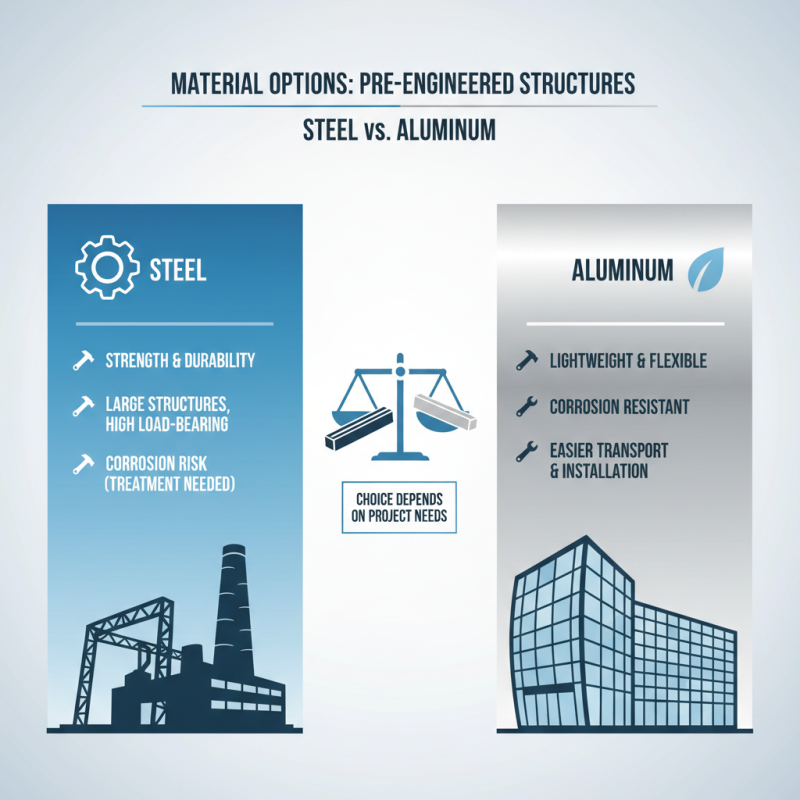
When considering pre-engineered buildings, the choice of materials is crucial. Steel and aluminum are two popular options, each with distinct properties. Steel is known for its strength and durability. It’s often preferred for larger structures requiring significant load-bearing capacity. However, it can be susceptible to corrosion if not properly treated. This aspect requires careful consideration, especially in harsh environments.

On the other hand, aluminum presents a lightweight alternative. It offers excellent resistance to corrosion and is often chosen for projects where weight is a factor. However, aluminum typically has a lower strength-to-weight ratio compared to steel. This could limit its use for certain building types. Considering insulation needs is also important. Aluminum may require additional insulation to meet energy efficiency standards.

In summary, weighing the pros and cons is essential. Your project’s specific requirements will dictate the best material choice. Think about longevity, cost, and environmental factors. Understanding these elements creates a solid foundation for making informed decisions in material selection.

Assessing Local Climate and Environmental Factors for Building Design

When choosing pre-engineered buildings, understanding local climate and environmental factors is crucial. Different regions experience varying weather patterns that can influence design choices. For instance, snowy regions require roofs to withstand heavy loads. Warm climates may benefit from materials that reflect heat.

Assessing wind patterns is also essential. High winds can damage structures, necessitating stronger framing and anchoring. Local humidity levels impact material choice, as certain metals may rust faster in moist environments. It’s vital to be aware of these factors to avoid pitfalls later on.

Consulting environmental experts can provide insights into local conditions. Research past weather events in your area for better foresight. Additionally, consider how future climate changes could affect your building's longevity. Building robustly today can save costs in the long run. It's a balancing act between immediate needs and future challenges that requires thoughtful consideration.

Considering Regulatory Compliance and Building Codes for Prefabrication

Choosing the right pre-engineered buildings (PEBs) involves understanding local regulations. Each region has its own building codes. You must consult these codes before making decisions. Compliance is critical to prevent future delays and costly modifications. Gaps in this area can lead to severe consequences.

Regulatory compliance ensures that the building meets safety and environmental standards. These standards can vary significantly. In certain locations, additional permits may be required, which adds layers of complexity. It's essential to engage with local authorities early in the process.

Working with a knowledgeable architect or engineer can help navigate these challenges. They can provide insights into necessary adjustments. This can often save time and reduce errors. Always remember, overlooking these details can result in costly mistakes down the line. Proper adherence to building codes creates a reliable framework for construction.