2025 How to Choose the Right Building Contractor for Your Project
Choosing the right building contractor for your project is a critical decision that can significantly influence the outcome of your construction endeavor. As experts in the field emphasize, selecting a competent and reliable contractor is pivotal for ensuring quality work and timely completion. James Anderson, a seasoned building contractor with over 20 years of experience, once stated, "The success of your project begins with choosing the right contractor; it's not just about skills, but about trust and communication."
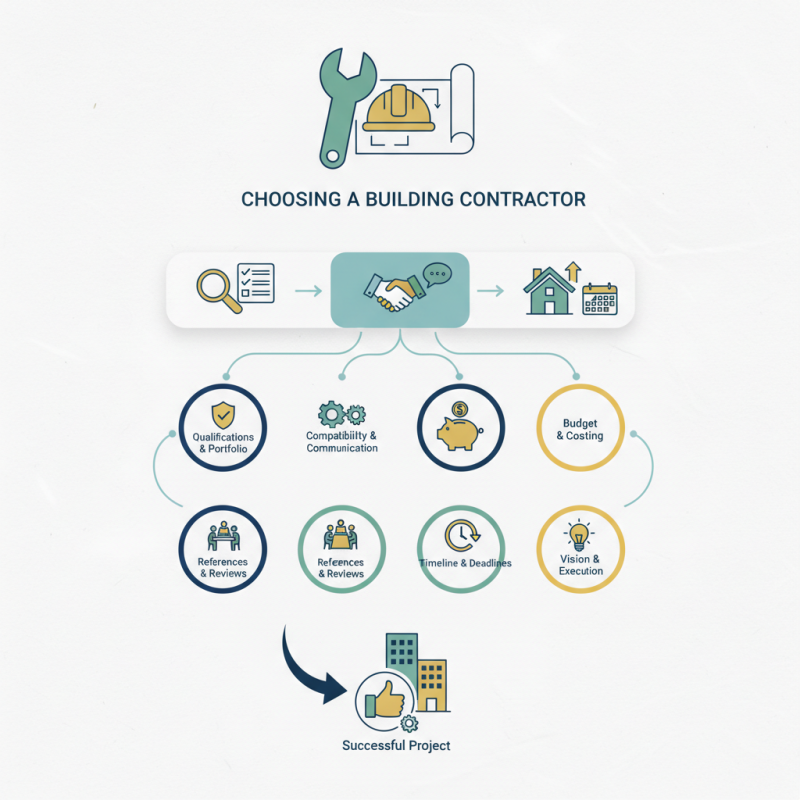
In an industry that is as dynamic as it is complex, understanding the nuances of what makes a contractor suitable for your specific needs is essential. It goes beyond merely assessing qualifications and portfolios; it involves evaluating compatibility, communication styles, and the ability to translate your vision into reality. As more projects face common pitfalls like budget overruns and missed deadlines, a well-chosen building contractor can serve as a crucial partner in navigating these challenges.
This guide aims to illuminate the key considerations and steps in selecting the appropriate building contractor for your needs. By following these insights, you can facilitate a smoother construction process and ultimately achieve the results you envision for your project.
Understanding the Role of a Building Contractor in Your Project
A building contractor plays a pivotal role in the successful execution of any construction project. They serve as the central figure who coordinates various aspects of the project, ensuring that everything runs smoothly from start to finish. Their responsibilities encompass managing subcontractors, overseeing the construction schedule, and ensuring that all work complies with local building codes and regulations. A competent contractor will not only provide skilled labor but also bring expertise in project management, helping to navigate potential challenges that may arise during the construction process.
Furthermore, communication is a key component of a building contractor's role. They act as the liaison between homeowners, architects, and other stakeholders, ensuring that everyone is on the same page regarding project goals and timelines. A good contractor will keep clients informed about progress and any unexpected issues, facilitating a collaborative environment where problems can be addressed swiftly. They also have the knowledge to offer valuable insights about materials and design choices, guiding clients toward informed decisions that align with their vision and budget.
By understanding these essential responsibilities, homeowners can make more informed choices when selecting a building contractor for their project.
Key Qualifications to Look for in a Building Contractor
When embarking on a construction project, selecting the right building contractor is essential for its success. Key qualifications to consider include experience, licensing, insurance, and communication skills. According to industry reports, nearly 50% of construction projects exceed budget and timeframe due to poor contractor selection. Therefore, it is crucial to thoroughly evaluate potential contractors.
Experience plays a significant role in a contractor's ability to manage projects efficiently. A contractor with a proven track record in similar projects is more likely to navigate challenges effectively. Licensing and insurance are non-negotiable, as they protect both the contractor and the client. Ensure that the contractor holds the appropriate licenses required in your area and has liability insurance to cover any potential mishaps.
**Tips:** When interviewing potential contractors, ask for references from previous clients and verify their work. Communication is another critical aspect; a good contractor is responsive and transparent, which fosters a better working relationship. Research shows that projects with effective contractor-client communication have a 20% higher success rate, reinforcing the importance of choosing someone who prioritizes clear and open dialogue throughout the construction process.
How to Assess a Contractor's Experience and Reputation
When selecting the right building contractor for your project, understanding their experience and reputation is essential. Start by evaluating the contractor's previous work. Look for a portfolio that showcases a variety of completed projects similar to yours. This will give you insight into their craftsmanship, attention to detail, and ability to handle projects of varying complexity. Additionally, consider how long the contractor has been in business. A longer track record often indicates a level of experience and stability, whereas fledgling companies may lack the necessary expertise for larger or more intricate projects.
Next, seek out reputable sources for reviews and testimonials. Speak with past clients to gauge their satisfaction with the contractor's work ethic, communication skills, and the overall quality of the finished project. Online platforms and local trade associations can also provide valuable information regarding a contractor's reputation in the community. Pay attention to any recurring themes in feedback—both positive and negative—as this will help you form a well-rounded picture of their reliability and professionalism. Trust and transparency are fundamental, so don’t hesitate to ask the contractor for references and to clarify any concerns that may arise during your assessment.
Assessing Building Contractors: Experience and Reputation
Steps to Obtain and Compare Contractor Bids
When embarking on a construction project, obtaining and comparing contractor bids is a crucial step. Begin by outlining the scope of your project in detail, ensuring that you specify your expectations, timeline, and budget. This clarity will help potential contractors provide accurate bids that reflect the true cost of your project. Once you have this information ready, solicit bids from multiple contractors to get a comprehensive view of the market rates and service offerings available to you.
As you receive bids, it's essential to analyze them critically. Look for detailed breakdowns of costs, including labor, materials, and any sub-contracting services they may include. Pay attention not only to the total price but also to the terms and conditions laid out in each bid. A lower price may sometimes indicate corners being cut or a lack of comprehensive service. Assess each bid based on factors like the contractor's experience, reputation, and the quality of materials they plan to use. Creating a comparison chart can facilitate this process, allowing you to weigh the pros and cons of each bid side by side and ultimately select the contractor that best aligns with your project needs.
Tips for Effective Communication with Your Chosen Contractor
Effective communication with your building contractor is crucial for the success of your project. From the very beginning, it is essential to establish a clear line of communication. This means discussing your project goals, budget, and timeline openly. Make sure your contractor understands your vision and that you are both aligned on expectations. Consider scheduling regular check-ins to ensure that any issues are addressed promptly, and progress reports are shared.
Listening is just as important as sharing your ideas. A good contractor will provide valuable insights based on their experience. Be open to their suggestions and ask questions to clarify any doubts. This two-way dialogue fosters a collaborative environment, allowing for adjustments and improvements along the way. Utilizing tools like project management software can facilitate this communication, keeping all stakeholders informed and engaged throughout the project lifecycle. By prioritizing effective communication, you can create a strong partnership with your contractor that ultimately leads to a successful build.