What Is a Construction Project and What Are Its Types?
A construction project is more than bricks, drawings, and machinery. It is a temporary effort that turns a planned idea into a usable physical asset. A new home, hospital, bridge, warehouse, or renovated office can each qualify as construction projects. Every example has different goals, risks, budgets, and technical demands.
David I. Cleland, a respected project-management scholar, observed, “Projects are the building blocks of organizational strategy.” His statement reflects the wider value of construction work. A project can support housing, improve transport, strengthen public services, or expand a business. Yet success is not measured only by a completed structure. Safety, quality, environmental care, cost control, and long-term performance matter too.
The main types include residential, commercial, industrial, infrastructure, and heavy civil projects. Renovation and restoration projects form another important group. On a real site, these categories often overlap. A mixed-use development may combine apartments, retail areas, parking systems, and public spaces. Classification can become untidy.
That is worth remembering.
A project’s type influences its design process, workforce, materials, permits, scheduling, and risk management. A bridge needs different inspections than a family home. A factory requires specialized systems, while a renovation may uncover hidden damage behind a wall. These details shape practical decisions.
This guide explains what defines a construction project and how its major types differ. It also considers the less visible factors behind reliable delivery. No category explains everything. Careful judgment remains necessary.
Definition and Core Features of a Construction Project
What Is a Construction Project and What Are Its Types?
A construction project is a planned effort to create, repair, or improve a physical structure. It may involve a house, bridge, warehouse, road, or public facility. The work usually has a defined scope, budget, schedule, site, and completion standard. Unlike routine maintenance, it ends when a specific deliverable is accepted.
A construction project also depends on temporary cooperation. Designers, engineers, contractors, inspectors, suppliers, and workers must coordinate their tasks. On a real site, a concrete pour may depend on weather, material delivery, inspection approval, and prepared reinforcement. Small delays can affect several later activities. Safety planning, quality control, cost tracking, and clear communication are core features, not optional paperwork. Plans are never perfect. An overlooked pipe or unclear drawing can create expensive rework.
Projects differ by purpose and method.
Building construction includes homes, offices, schools, and hospitals. Civil construction covers roads, bridges, tunnels, and drainage systems. Industrial construction often involves complex equipment, strict testing, and specialized installation. Renovation projects work within an existing structure, so hidden damage can change the original plan. New construction may offer a clean site, but it still faces uncertain ground conditions and changing requirements.
A reliable project team records decisions, checks measurements, and reports risks early. Experience helps, but it does not remove uncertainty. A schedule may look realistic on paper and still fail during a wet week. That gap between the plan and the site is where professional judgment matters most.
Main Phases in the Construction Project Life Cycle
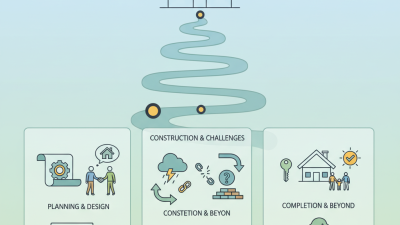
A construction project is a planned effort to create, repair, or expand a physical structure. It may involve housing, offices, roads, bridges, or industrial facilities. Each project has a defined scope, budget, schedule, and team. Its life cycle turns an early idea into a usable asset.
The process begins with feasibility studies, site surveys, and a clear project brief. Designers then develop drawings, specifications, cost plans, and risk controls. During procurement, the team selects qualified contractors and confirms materials, responsibilities, and delivery dates. Construction follows, with site supervision, inspections, quality checks, and regular safety meetings. Concrete pours, steel connections, and concealed services need careful records. Small errors can become expensive later.
Progress needs evidence, not optimistic updates. Daily reports, test results, photographs, and approved changes support reliable decisions. In practice, the planned sequence rarely survives unchanged. Weather delays, ground conditions, or incomplete drawings may disrupt the schedule. Plans change. Experienced managers reassess risks instead of hiding them. Testing and commissioning verify that systems operate as designed before handover. The final phase includes defect correction, as-built documents, training, and maintenance information. A rushed closeout often leaves unclear responsibilities, even when the building looks complete.
Key Participants and Their Responsibilities
What Is a Construction Project and What Are Its Types?
Key Participants and Their Responsibilities
A construction project turns drawings, materials, labor, and approvals into a usable space. Its participants coordinate decisions from the first survey to final inspection. The owner sets objectives, budget, quality expectations, and operational needs. The architect or designer develops the concept and translates requirements into coordinated documents. Engineers verify structural, civil, mechanical, and electrical performance. These duties overlap.
The contractor converts plans into daily work. They schedule trades, control site access, order materials, and document progress. Supervisors inspect installations, while skilled workers follow approved drawings and safe methods. Inspectors and authorities check compliance with codes, permits, and agreed standards. A cost manager tracks estimates, changes, and payment records. On active sites, I have seen small drawing gaps delay several crews. Clear questions, written responses, and dated photographs prevent many disputes. Still, schedules can fail when weather, supply delays, or late decisions collide. That risk deserves honest planning.
Tips: Hold a short coordination meeting before work begins. Assign one person to record decisions and unresolved questions. Use a shared drawing register with revision dates. Walk the site regularly; a neat report cannot replace what your eyes notice. Check payment claims against completed work, not promises. Leave contingency for surprises.
Construction Project Types and Key Participant Responsibilities
Core responsibility areas commonly assigned across major construction project roles
The chart reflects standard construction-practice responsibilities: owners define objectives and funding; architects and engineers develop compliant designs; contractors manage execution, resources, quality, and safety; and project managers coordinate scope, schedule, cost, risks, and communication. Specific duties may vary by contract type and jurisdiction.
Major Types of Construction Projects
What Is a Construction Project and What Are Its Types?
A construction project creates, repairs, or changes a physical asset. It may involve a house, hospital, factory, bridge, or railway. Work usually moves through planning, design, procurement, construction, inspection, and handover. Each stage carries different risks, costs, and quality controls. According to the Global Construction 2030 report, worldwide construction output could rise by 85% between 2020 and 2030. That growth increases demand for skilled coordination, accurate estimating, and safer site decisions.
Major Types of Construction Projects
Residential construction includes apartments, private homes, and student housing. Commercial projects cover offices, retail spaces, hotels, and warehouses. Institutional construction serves public or community needs, such as schools, hospitals, and laboratories. Industrial construction builds production plants, processing facilities, and energy sites. Infrastructure projects include roads, railways, airports, ports, water systems, and power networks. Heavy civil work often requires deep excavation, large equipment, and complex temporary structures.
Renovation and maintenance projects deserve more attention. They may alter an occupied building, where dust, noise, and hidden defects disrupt daily operations. The categories can overlap. A warehouse with offices may be industrial and commercial at once. That distinction sometimes fails on real sites. The 2023 Global Status Report for Buildings and Construction reported that buildings and construction consumed about 32% of global energy and produced roughly 34% of energy-related carbon emissions in 2022. Project teams therefore need practical carbon planning, not only attractive design targets. A small material change can affect transport, waste, installation time, and long-term maintenance.
Factors Used to Classify Construction Projects
A construction project is a planned effort that creates, repairs, or removes a physical asset. It may involve a house, hospital, highway, factory, or water system. Classification begins with purpose. Residential projects serve households, while commercial projects support offices, shops, and services. Industrial work includes plants, warehouses, and processing facilities. Infrastructure covers roads, bridges, railways, utilities, and public networks.
Scale is another important factor. Small projects may involve one building and a short schedule. Large projects often require multiple contractors, specialist engineers, complex permits, and phased funding.
The U.S. Census Bureau reported approximately $1.98 trillion in U.S. construction spending during 2023. That figure shows the sector’s size, but it does not explain every project’s difficulty. A small hospital renovation can create more operational risk than a larger empty-site warehouse.
Ownership and delivery method also shape classification. Public projects use government funding and usually require stricter procurement controls. Private projects often prioritize commercial returns, speed, or future operating costs. Design-bid-build separates design and construction responsibilities. Design-build combines them under one contract. Project classification may also consider materials, location, hazard level, and environmental conditions. A coastal foundation faces different risks from an inland office fit-out.
The categories overlap.
That is the imperfect part. A transport terminal can be commercial, public, infrastructure-related, and highly specialized at once. Practitioners should record several factors instead of forcing one label. The classification should support budgeting, safety planning, scheduling, and risk review. It should not become paperwork without practical value.