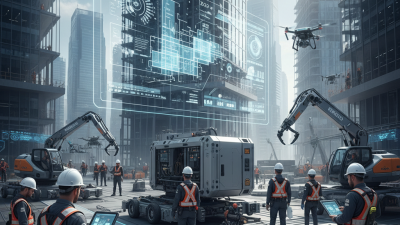
As the construction work industry evolves, trends for 2026 promise to reshape how projects are executed. According to renowned expert Ellen White, "The future of construction work will rely heavily on innovation and sustainability." This insight captures the essence of upcoming changes in our field.
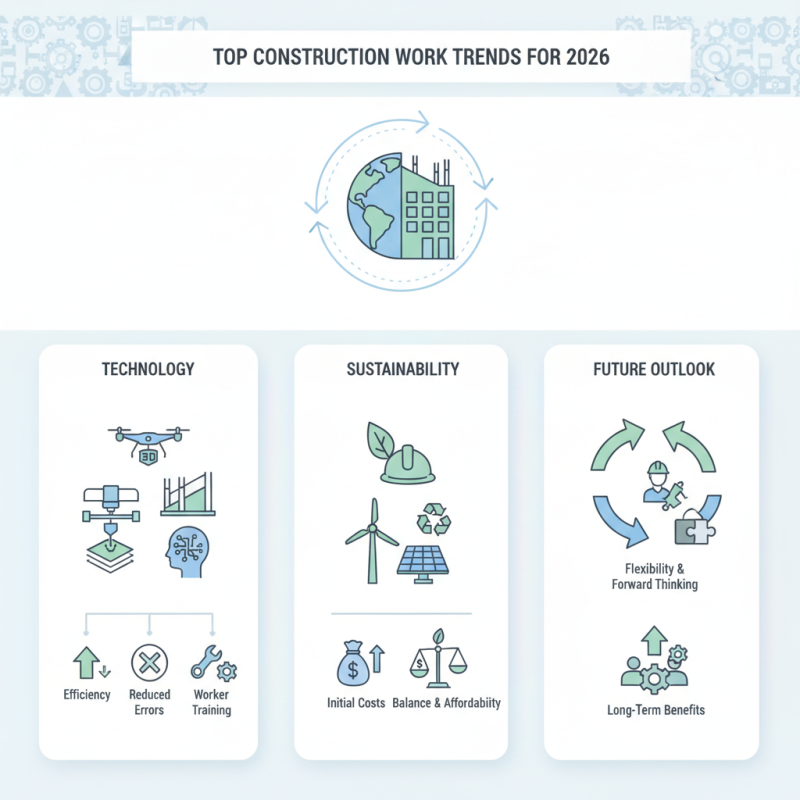
New technologies will play a crucial role. We can expect increased use of drones, 3D printing, and AI in construction work. These innovations aim to enhance efficiency and reduce errors. However, not all advancements come without challenges. The shift towards digitalization may leave some workers behind. Ensuring everyone is trained is vital for a smooth transition.
Sustainability remains a key focus. More companies are prioritizing eco-friendly practices. But, integrating these methods may sometimes lead to higher initial costs. The industry must find a balance between progress and affordability. Embracing these trends will demand flexibility and forward thinking in construction work, ensuring long-term benefits for everyone involved.
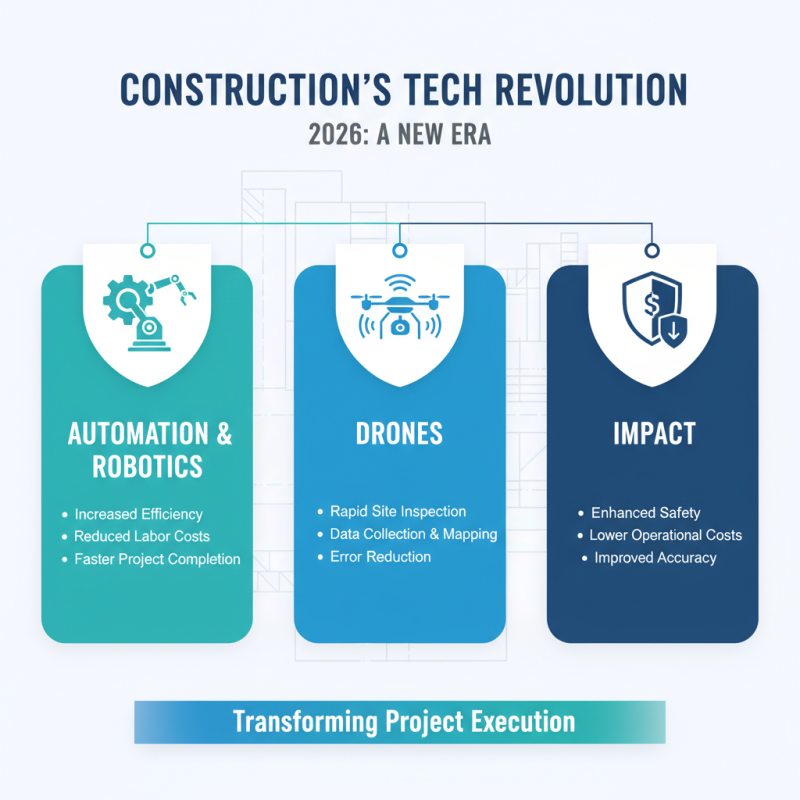
The construction industry is on the brink of transformation. Innovative technologies are reshaping how projects are executed. By 2026, we can expect a surge in automation and robotics. Drones will inspect sites quickly and gather data efficiently. They will help reduce human error and lower costs.
3D printing is another game changer. This technology allows for rapid prototyping of building components. It can significantly cut down production time. However, challenges remain regarding material durability and structural integrity. This leads construction teams to rethink safety standards.
Augmented reality (AR) will also play a crucial role. Workers will use AR for real-time visualization on job sites. This can improve decision-making. Yet, reliance on digital tools can create a gap in traditional skills. As we embrace these technologies, it's vital to blend them with human expertise. Balancing innovation and practical know-how is essential for a successful future.
Sustainability is becoming essential in construction. Many companies are adopting green building materials. This shift reduces waste and lowers carbon emissions. Recycling concrete and wood is one way to minimize environmental impact. However, challenges still exist. Not all materials are sustainable, and sourcing them can be complicated.
Innovative energy solutions are also at the forefront. Solar panels and green roofs are gaining popularity. These features not only save energy but improve building aesthetics. Yet, integrating these technologies can sometimes be costly and complex. Balancing initial costs with long-term savings is a struggle many face.
Water conservation efforts are equally important. Rainwater harvesting systems are emerging in building designs. These systems can provide significant benefits. But, there is often a lack of awareness and expertise in installation and maintenance. As the industry pushes towards sustainability, education and training will need to keep pace.
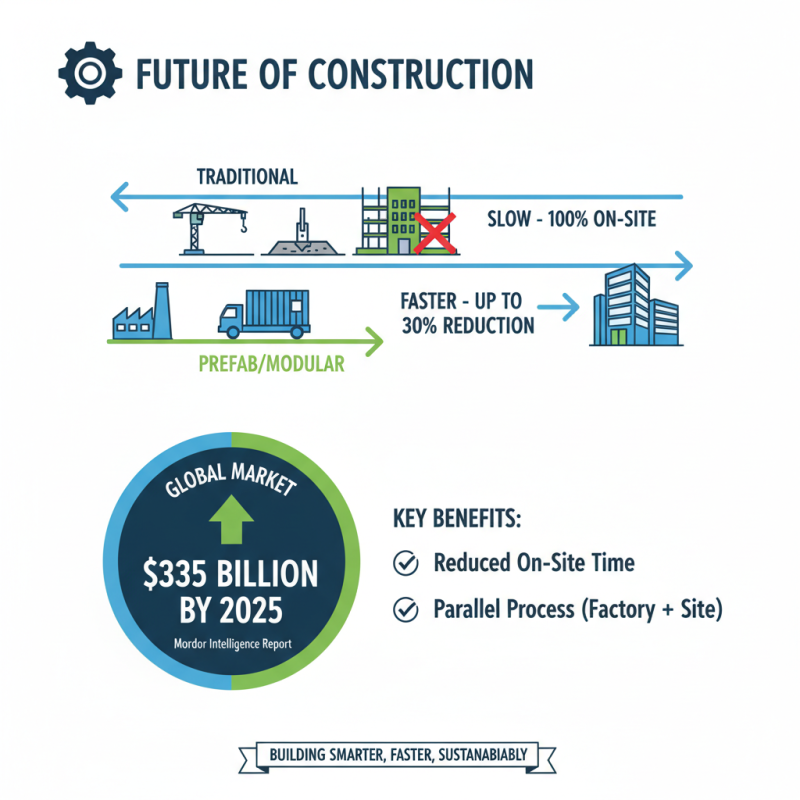
The construction industry is evolving rapidly, with prefabrication and modular techniques leading the way. According to a recent report by Mordor Intelligence, the global prefabricated construction market is projected to reach $335 billion by 2025, demonstrating its growing significance. This shift allows projects to be completed faster, reducing the overall time spent on-site. In many cases, prefabricated modules can be produced in a factory while site preparations are underway. This parallel process can cut construction timelines by up to 30% in some scenarios.
However, the transition to modular construction is not without its challenges. Quality control remains a critical issue. Some reports indicate that poorly manufactured components can cause delays when projects arrive on-site. A study by McKinsey & Company found that nearly 70% of construction projects face delays or cost overruns. This reality underlines the need for diligent oversight and quality assurance in prefabrication.
Moreover, the industry must address the skills gap. A lack of trained workers familiar with modular technologies poses a significant hurdle. According to the Associated General Contractors of America, 80% of construction firms report difficulty finding skilled labor. Addressing these gaps will be essential for maximizing the potential of modular construction. The push for prefabricated solutions in 2026 is promising but requires careful planning and implementation.
The construction industry is evolving rapidly. In 2026, the demand for skilled professionals will be greater than ever. Workers must adapt to new technologies and methods. Traditional skills alone may not be enough to succeed. More emphasis will be on digital literacy and data analysis. Learning to use drones and AI tools will become crucial.
Training programs must evolve. Educational institutions need to align with industry needs. Apprenticeships can bridge the skills gap. On-site experience is invaluable. Yet, many training systems still rely on outdated practices. This leaves gaps in knowledge and application. Workers often feel unprepared for challenges.
In this shifting landscape, continuous learning is key. Professionals should embrace lifelong learning. Networking and mentorship can foster growth. The industry will require flexibility and resilience. Building adaptability into training can enhance workforce readiness. Preparing for 2026 will mean embracing change and seeking improvement.
| Trend | Description | Skills Required | Training Needs |
|---|---|---|---|
| Sustainable Construction | Adoption of eco-friendly materials and practices. | Environmental awareness, energy efficiency design. | Workshops on sustainable practices and materials. |
| Digital Project Management | Incorporating mobile and cloud technologies in construction projects. | Proficiency in project management software, communication skills. | Courses on digital tools and collaborative techniques. |
| Automation and Robotics | Use of drones and robots in construction and inspection tasks. | Technical skills in robotics, data analysis. | Hands-on training programs for operating new technologies. |
| Resilience Planning | Planning for natural disasters and climate change impacts. | Risk assessment, disaster response strategies. | Simulation exercises and emergency preparedness training. |
| Skilled Labor Shortage | Increasing demand for skilled workers in the industry. | Trade skills, problem-solving, teamwork. | Apprenticeship programs and vocational training. |
The construction industry is undergoing a significant transformation due to automation and robotics. According to a McKinsey report, automation could increase productivity in construction by up to 20%. This shift not only enhances efficiency but also improves safety standards on job sites. For example, drones are being used for surveying, which reduces the need for workers to navigate hazardous areas.
Despite the benefits, there are challenges. Implementing new technology requires significant investment and training. Many workers may lack the necessary skills, leading to concerns about job displacement. A study from PwC indicates that 50% of construction jobs could be automated by the mid-2030s. This raises questions about how the workforce will adapt to changing demands.
Moreover, while automation can streamline processes, it also introduces complexes. For instance, a fully automated site needs a reliable power supply and robust cybersecurity measures. A failure in these areas can halt operations entirely, highlighting the need for careful planning. The integration of technology is here to stay, but the impact on human labor and operational risk must be continually assessed.