Why Choosing Eco Friendly Building Materials Benefits the Environment and Your Home
In today’s world, the importance of sustainability is more crucial than ever, prompting homeowners and builders alike to reconsider their choices in construction. Eco friendly building materials have emerged as a pivotal solution, not only enhancing the environmental quality but also improving the health and comfort of our homes. According to Dr. Emily Thompson, a renowned expert in sustainable architecture, "Utilizing eco friendly building materials is not just a trend; it’s a necessity for a healthier planet and a healthier living space." This underscores the critical role these materials play in reducing our carbon footprint and preventing harmful emissions.
Transitioning to eco friendly building materials benefits not only the environment but also addresses issues such as energy efficiency and long-term cost savings. By choosing materials that are renewable, recycled, or sustainably sourced, homeowners can create spaces that are not only aesthetically pleasing but also align with ecological principles. This article delves into why selecting eco friendly building materials is a win-win choice for both the planet and personal living environments, offering insights on practical applications and long-term advantages. As we explore this vital topic, we recognize the growing demand for sustainable building practices that contribute to a more sustainable future for generations to come.
Understanding Eco-Friendly Building Materials and Their Impact
Eco-friendly building materials play a crucial role in promoting sustainability and reducing the environmental impact of construction. These materials, which include bamboo, recycled steel, and reclaimed wood, have been shown to minimize carbon footprints significantly. According to a report by the World Green Building Council, buildings are responsible for around 39% of global carbon dioxide emissions. By opting for eco-friendly materials, homeowners and builders can enhance energy efficiency, which can lead to up to 30% reductions in energy usage over a building's lifetime.
Furthermore, the use of sustainable materials can improve indoor air quality. Many conventional building products contain volatile organic compounds (VOCs), which can negatively impact both health and environmental quality. Studies highlighted by the United States Environmental Protection Agency reveal that indoor air can be two to five times more polluted than outdoor air. Eco-friendly materials, often free from harmful chemicals, help to create healthier living spaces for occupants. In addition to the health benefits, these materials frequently offer durability and low maintenance requirements, making them both an environmentally and economically advantageous choice for future-proofing homes.
Environmental Benefits of Using Sustainable Construction Materials
Using sustainable construction materials significantly benefits the environment and contributes to healthier living spaces. According to a report by the World Green Building Council, buildings contribute to around 39% of global carbon emissions and consume roughly 40% of the energy supply. By opting for eco-friendly materials, we can reduce the carbon footprint associated with construction processes. For example, utilizing recycled materials can save resources and energy while simultaneously diverting waste from landfills. Additionally, materials like bamboo and reclaimed wood are not only renewable but also enhance the aesthetic appeal of homes while sequestering carbon in the long term.
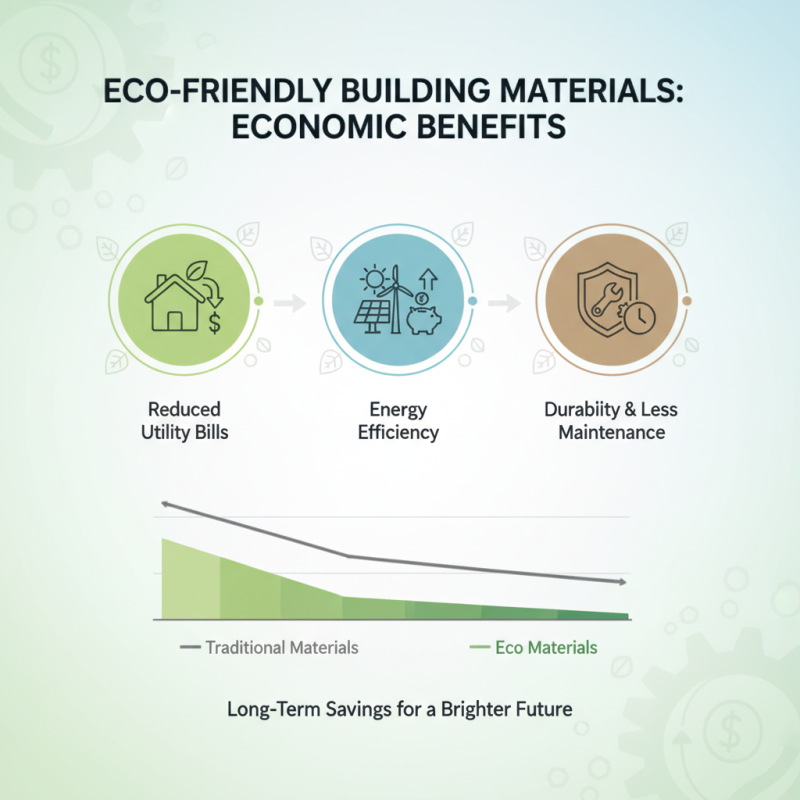
When considering sustainable options, it's essential to look beyond just the initial costs. Although eco-friendly materials may appear more expensive upfront, they often lead to long-term savings through energy efficiency and durability. A study by the U.S. Green Building Council suggests that green buildings can save up to 30% on energy costs compared to traditional construction. This makes investing in sustainable materials not only an environmentally sound choice but also a financially wise one over time.
Tips for homeowners: When selecting materials, prioritize those with certifications like FSC or GREENGUARD, which indicate sustainability and low environmental impact. Additionally, consider the lifecycle of materials, choosing those that are durable and require less maintenance. Regular assessments of your home's energy efficiency can also help identify areas to improve, ensuring that your investment in sustainable materials continues to pay off.
Economic Advantages of Choosing Green Building Products
Choosing eco-friendly building materials is not just an environmentally responsible choice; it also presents significant economic advantages for homeowners and builders alike. One of the primary benefits is the potential for cost savings over time. Energy-efficient materials, such as high-quality insulation or solar panels, can drastically reduce utility bills, freeing up financial resources for other investments. Additionally, sustainable materials often come with longevity and durability, which means less frequent replacements and repairs, further enhancing cost efficiency.
Moreover, investing in green building products can lead to increased property value. Homebuyers today are increasingly prioritizing sustainability, often willing to pay a premium for homes that feature eco-friendly materials and energy-efficient systems. This trend can enhance the resale value of homes, making green building not just an investment in the environment but also a strategic financial decision. Furthermore, many governments offer tax incentives and rebates for utilizing sustainable building practices, lowering the initial costs associated with green building projects. Overall, the economic advantages of opting for green building materials are clear, benefiting both individual homeowners and the broader community.
How Eco-Friendly Materials Improve Indoor Air Quality
The choice of eco-friendly building materials plays a significant role in enhancing indoor air quality, making homes healthier and more comfortable for occupants. Traditional building materials often release volatile organic compounds (VOCs) and other harmful substances into the air, contributing to a multitude of health issues ranging from allergies to respiratory problems. According to a report from the World Health Organization, indoor air pollution is responsible for an estimated 4.3 million premature deaths per year. In contrast, eco-friendly materials such as low-VOC paints, natural insulation, and sustainably sourced wood offer safer alternatives that minimize exposure to these toxic chemicals.
Furthermore, research from the US Green Building Council reveals that buildings constructed with eco-friendly materials can reduce indoor air pollutants by up to 40%. These materials not only improve air quality but also regulate humidity levels, which can prevent mold growth and enhance comfort. The use of biobased products, such as bamboo or cork, not only contributes to better air quality but also supports more sustainable practices by reducing reliance on non-renewable resources. As awareness of the health implications associated with indoor air quality grows, more homeowners are prioritizing eco-friendly materials to create sustainable and health-conscious living environments.
Benefits of Eco-Friendly Building Materials
Key Considerations for Selecting Eco-Friendly Building Materials
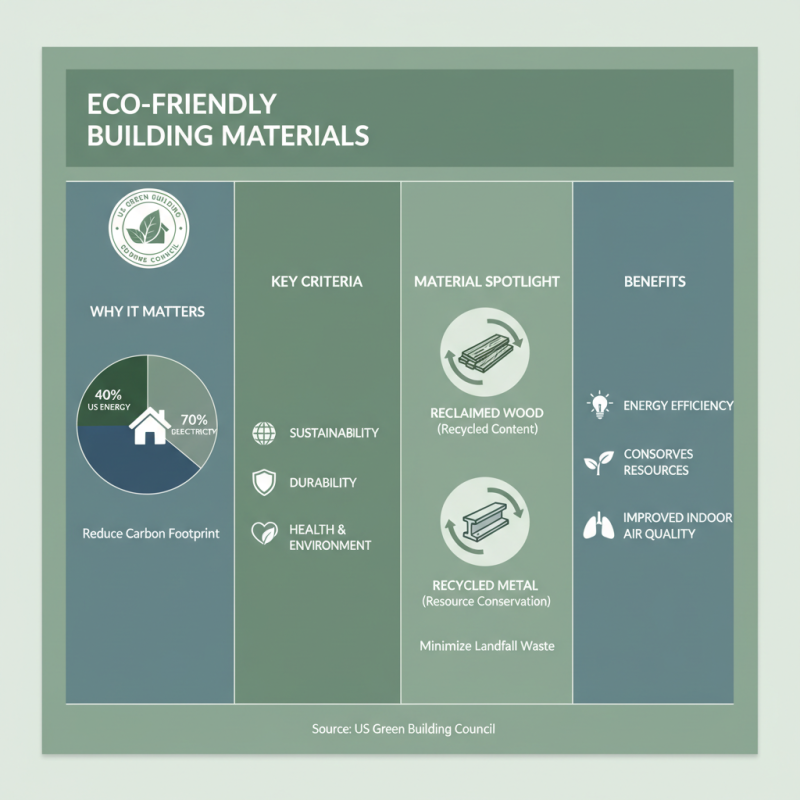
When selecting eco-friendly building materials, it is crucial to consider their sustainability, durability, and overall impact on both the environment and health. According to the U.S. Green Building Council, buildings account for approximately 40% of the country's energy consumption and 70% of its electricity use. Thus, choosing materials that minimize energy consumption and promote efficiency can significantly reduce your home's carbon footprint. For instance, materials with high recycled content, such as reclaimed wood or recycled metal, not only conserve resources but also reduce landfill waste.
Another important consideration is the life cycle of the materials. An analysis from the National Institute of Standards and Technology shows that sustainable materials can lower the overall environmental impact by up to 80% when assessed over their entire lifespan, including production, transportation, installation, and disposal. This emphasizes the importance of evaluating not just initial costs, but long-term benefits associated with eco-friendly options. Additionally, ensuring that materials are non-toxic and contribute to indoor air quality is essential; studies have indicated that healthier indoor environments can enhance productivity by up to 10% and reduce absences related to poor air quality. The right selection of eco-friendly materials, therefore, has profound implications on both environmental health and personal well-being.