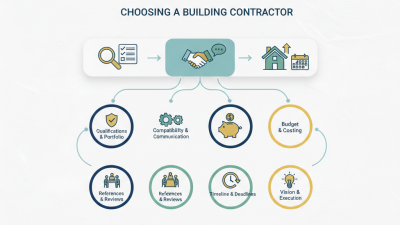
10 Essential Tips for Hiring Residential Construction Contractors

Hiring residential construction contractors can be a daunting task. Many homeowners struggle to find the right professionals for their projects. With numerous options available, ensuring the right fit is crucial.

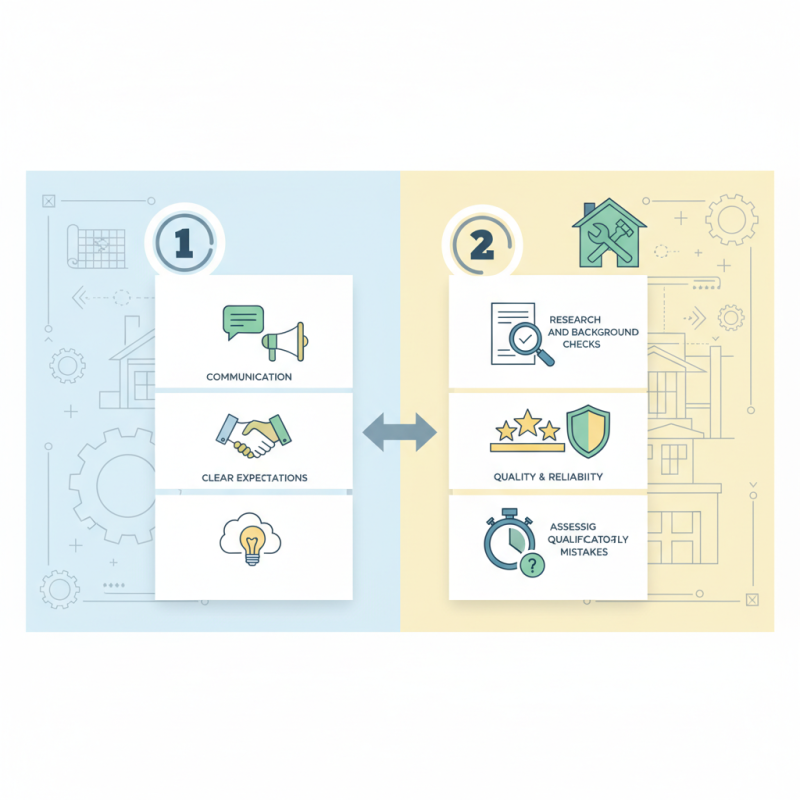
When selecting residential construction contractors, it's important to establish clear expectations. Communication shouldn’t be overlooked. Homeowners often assume that contractors understand their vision without thorough discussions. This leads to misunderstandings and unsatisfactory results.

Additionally, researching contractors' backgrounds is key. Many people rush into hiring without checking references or past work. This oversight can lead to hiring a contractor who lacks the necessary skills. Taking time to assess qualifications could prevent costly mistakes down the line. It’s not just about price; it’s about quality and reliability too.
10 Essential Tips for Hiring Residential Construction Contractors

Understanding the Role of Residential Construction Contractors

Hiring a residential construction contractor is key to ensuring a successful project. These professionals manage and execute various tasks. They are the bridge between your vision and reality. Understanding their role can help you make better decisions.

Communication is critical. Discuss your goals and expectations openly. This sets the stage for a productive partnership. Contractors may misinterpret vague instructions. Always provide details about your project. Clarity can save time and costs.

When evaluating contractors, consider their experience. Look for a portfolio of previous work. Ask for references. Talk to past clients about their experiences. Be prepared for discrepancies. Not every outcome meets expectations, and some projects may encounter challenges. Prioritize those who demonstrate problem-solving skills. A good contractor will navigate issues effectively.
10 Essential Tips for Hiring Residential Construction Contractors

This chart illustrates the importance of various factors to consider when hiring residential construction contractors. Factors such as communication and reputation score highly, indicating their critical roles in selecting the right contractor.

Identifying Your Project Needs and Specifications

10 Essential Tips for Hiring Residential Construction Contractors

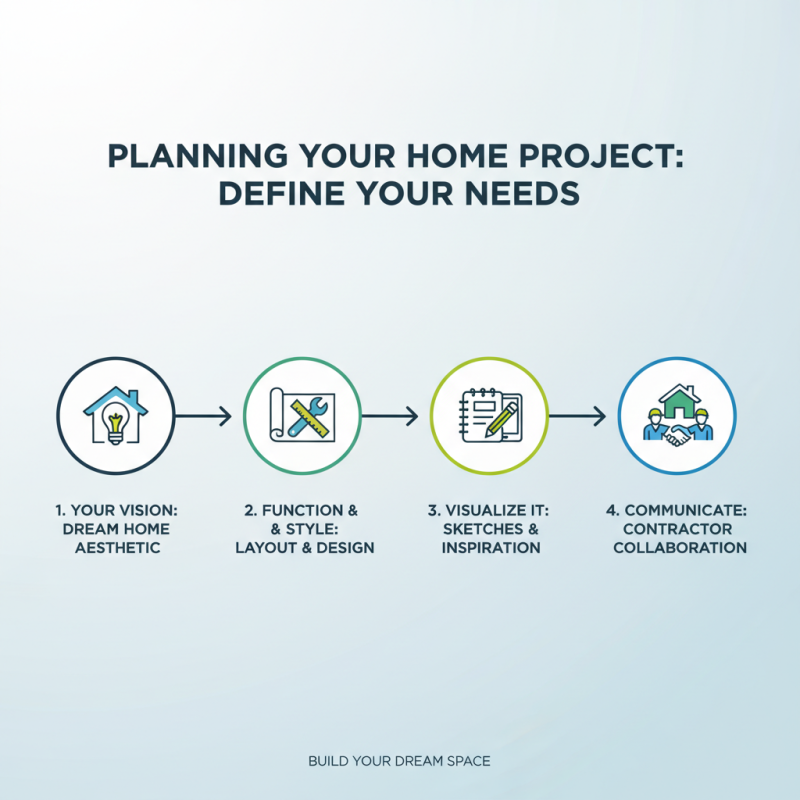
When planning a residential construction project, identifying your needs is crucial. Start by defining your vision. What do you want the space to look like? Consider the functionality and style you desire. Make sketches or gather images for a clearer idea. This helps in communicating your needs with contractors.

Tip: Be specific about your budget. Understand the costs involved. This clarity will guide contractors in providing accurate estimates. Discuss the scope of your project in detail. Highlight key features you want to include, like specific materials or technologies.

An often overlooked aspect is timelines. Understanding your ideal completion date can shape conversations with contractors. If your project has flexibility, communicate this openly. Some contractors may work faster or may need more time due to unforeseen issues.

Tip: Research past projects before hiring. Check contractors’ previous work photos to align their style with your own. It’s important to reflect on what has been done before, as it may influence your choices. If a contractor's past projects don’t resonate with your vision, it might be a sign to keep looking.

Researching and Shortlisting Potential Contractors

10 Essential Tips for Hiring Residential Construction Contractors

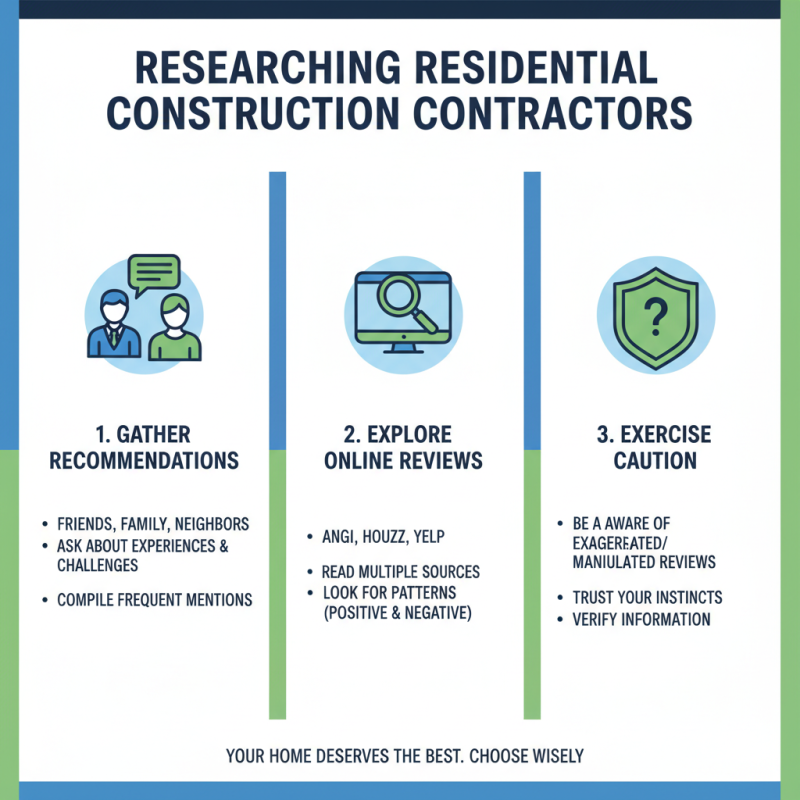
When researching potential residential construction contractors, start by gathering recommendations. Speak to friends, family, and neighbors. Ask about their experiences and any challenges faced. Compile a list of contractors they mention frequently. Online reviews can provide additional insight, but tread carefully. Some reviews might be exaggerated or manipulated.

Once you have a list, dig deeper. Visit contractors' websites for portfolios. Look for completed projects that resemble your vision. Pay attention to details like craftsmanship and materials used. Quality can vary greatly. Check if they hold necessary licenses and insurance. A contractor without these can lead to trouble later.

Set up interviews with shortlisted candidates. Prepared questions can guide the conversation. Ask about their experience with projects similar to yours. Discuss time frames and potential challenges. Take note of their communication style. You might realize that a polished presentation isn’t everything. The right fit often combines expertise with a comfortable working relationship. Keep an open mind; your initial choice may not turn out to be the best one.

Evaluating Contractor Credentials and Experience

When hiring residential construction contractors, evaluating their credentials and experience is crucial. Check if they have the required licenses. Every state has specific regulations. Missing a license may indicate negligence. Verify their insurance coverage too. A good contractor should have liability and worker's compensation insurance. This protects you from potential claims.

Look for experience in similar projects. Ask for a portfolio of their recent work. A mix of styles and scales demonstrates versatility. Don't shy away from questioning past clients. Their feedback can spotlight hidden issues. Sometimes, even the most polished presentations hide flaws.

Trustworthy contractors should provide references. Call previous clients to gauge their satisfaction. Were projects completed on time? Did they stick to the budget? Asking these questions helps you gauge reliability. Remember, a cheap option might lead to costly mistakes down the line. Rushing into decisions may lead to regrets.

Establishing Clear Communication and Expectations

Establishing clear communication and expectations is crucial when hiring residential construction contractors. Misunderstandings can lead to frustration for both parties. Discuss your vision in detail. Use visual aids like photos or sketches to better convey your ideas. This helps ensure everyone is on the same page.

When setting timelines, be realistic. Projects often take longer than expected. You might envision a three-month build, but delays can happen. Consider issues like weather or supply chain disruptions. Establish a buffer in your timeline. This adds flexibility and reduces stress.

Another important tip is to define the scope of work clearly. Provide a detailed description of what you want. Specify materials and finishes. For example, if you prefer hardwood floors, mention the type and color. This minimizes the chance of costly changes later. Regular check-ins throughout the project can help. It keeps both you and the contractor accountable. Small miscommunications can snowball into bigger problems. Focus on transparency and honesty. This builds trust and leads to better outcomes.