Navigating residential construction projects can be challenging. Each phase requires careful planning and execution. Tom Smith, a leading expert in the residential construction industry, once said, “Success in construction comes from clear communication and strong relationships.” This statement highlights the importance of collaboration in achieving project milestones.
In residential construction, unforeseen issues often arise. Delays can happen due to weather, supply shortages, or unexpected design changes. These challenges can lead to frustrations among homeowners and contractors alike. Adapting to these vicissitudes is essential. Contractors need to remain flexible and proactive in their approach.
Additionally, budgeting plays a crucial role. Many homeowners underestimate costs. This lack of foresight can strain relationships and undermine project success. Clarity in financial planning helps in managing expectations. Residential construction requires both hard work and strategic thinking to navigate its complexities effectively. Embracing challenges leads to better outcomes over time.
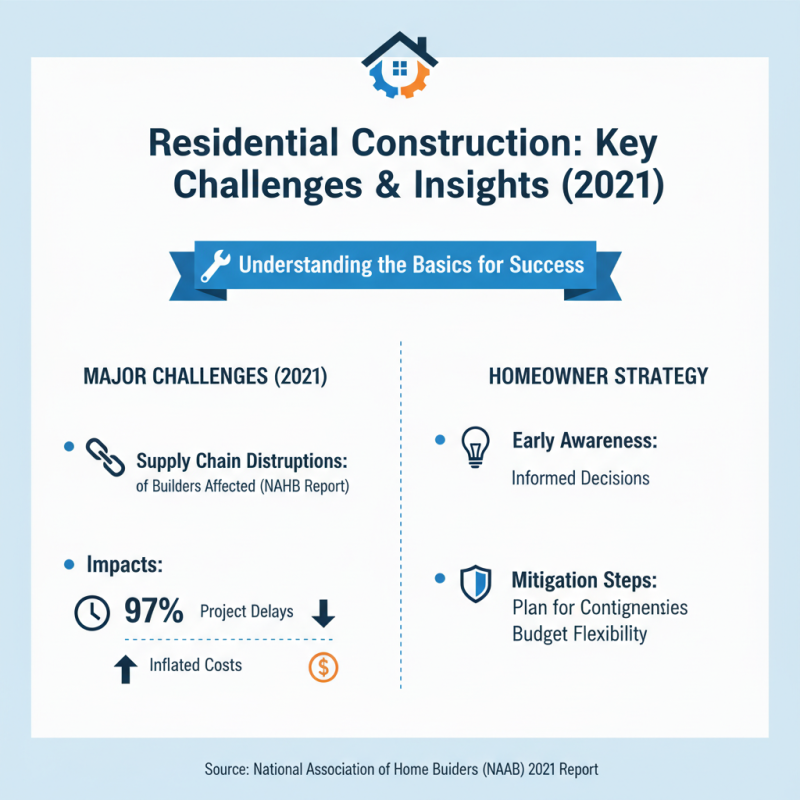
Understanding the basics of residential construction projects is essential for success. In 2021, the National Association of Home Builders reported that 97% of builders faced supply chain disruptions. These challenges can delay projects and inflate costs. Awareness of these issues can help homeowners make informed decisions early.
The average time for a single-family home to be built is about seven months, as indicated by recent industry surveys. Weather, material shortages, and project management inefficiencies are common obstacles. For instance, a simple delay in obtaining permits can push back timelines significantly. These factors require ongoing reflection and adjustment.
Construction budgets can also be unpredictable. A study noted that nearly 60% of projects exceed their initial budgets. This can happen due to unforeseen issues or miscalculations. Homeowners should be prepared for potential overruns. Transparent communication with contractors is crucial to navigate these complexities effectively.
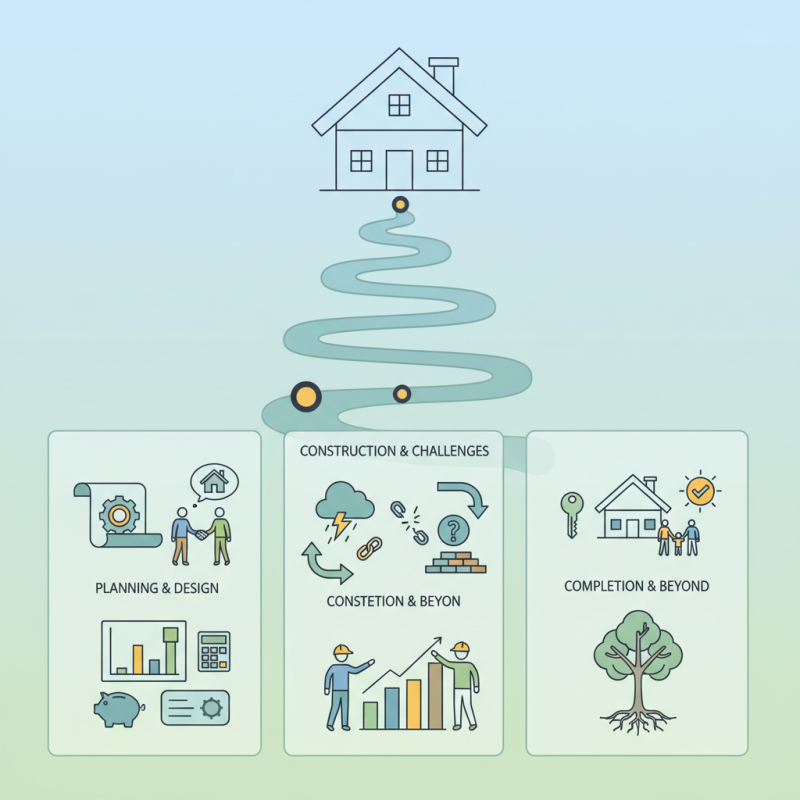
Successful navigation of residential construction projects relies heavily on understanding key phases from planning to completion. Planning is crucial. Poor planning can lead to delays and cost overruns. Reports suggest that 30% of projects face financial challenges due to inadequate planning. Engaging professionals early on can mitigate risks. It is vital to establish a clear budget and timeline.
During the construction phase, communication plays a significant role. A study indicated that 25% of construction delays stem from miscommunication. Regular check-ins can help keep everyone aligned. Be transparent about potential hiccups. No project is flawless. Unexpected issues will arise, whether it’s weather-related delays or supply chain disruptions. Flexibility and adaptability are essential traits for all team members.
In the completion phase, inspections are not just formalities. They're vital to ensure quality and compliance with local regulations. Many contractors overlook the importance of final walkthroughs, which can lead to costly fixes later. Document every step. It helps track progress and provides accountability. Emphasizing these phases can lead to a smoother construction experience and ultimately a successful project.
Budgeting for residential construction is complex. Begin by identifying your overall budget. This includes land costs, materials, and labor. You need to account for permits and fees. Often, people underestimate these expenses, leading to stress later.
Consider financing options carefully. Traditional bank loans are common. Be aware of interest rates. They can significantly affect your total cost. Explore alternative financing like credit unions or peer-to-peer lending. Some find these options less daunting.
Unexpected costs arise frequently. A hidden issue, like outdated wiring, can strain your finances. It’s wise to include a contingency fund in your budget. This cushion helps you manage surprises. Reflect on your priorities and adjust accordingly. Prioritizing quality over aesthetics might be necessary for some projects. Keep an open mind about changes as the project unfolds.
This chart displays the typical budget allocation percentages for various components of a residential construction project, highlighting the importance of planning and financial management.
Managing stakeholders in residential construction projects involves understanding various roles and responsibilities. Each participant affects the project's outcome. Homeowners are a primary stakeholder. They have specific needs and expectations. Communication with them is often challenging but essential. Misunderstandings can delay progress and increase costs. Regular updates can help bridge this gap and ensure alignment.
Contractors and subcontractors play pivotal roles too. They are responsible for execution and must adhere to schedules. Mismanagement in these areas can lead to setbacks. Moreover, architects and engineers must ensure that designs meet regulatory standards. Failure to comply can result in costly reworks. Clear expectations should be set from the start to prevent issues later.
Additionally, local authorities are key stakeholders. They enforce building codes and regulations. Navigating their requirements often adds complexity. Construction teams might feel frustrated by delays in approvals. It's crucial to maintain a good relationship with these officials. Regular check-ins can ease potential roadblocks. Stakeholder management is a balancing act. Each entity has unique needs that must be prioritized carefully.
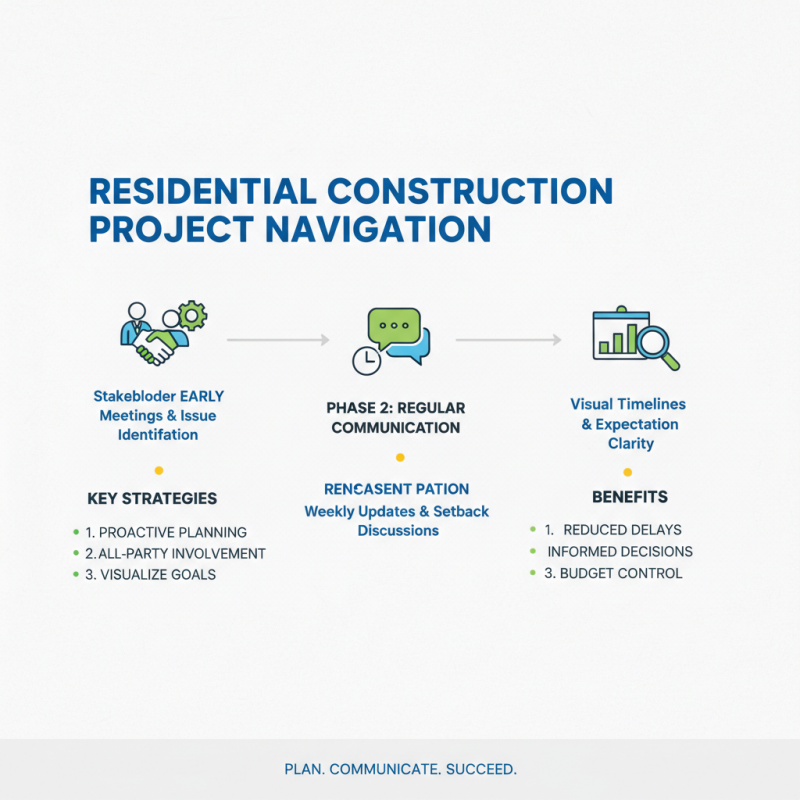
Navigating residential construction projects requires careful planning and robust communication. Engaging all stakeholders early helps identify potential issues. Regular meetings can keep everyone informed of progress and setbacks. Visual aids, like timelines or charts, clarify goals and expectations.
Quality control is crucial. Conducting site inspections helps ensure materials and workmanship meet standards. It's important to document findings and communicate them promptly. Unexpected issues may arise, leading to delays. Having a flexible mindset can help address these challenges.
Timely delivery relies on effective project management. Setting realistic timelines is vital. Delays can happen. Reflecting on what went wrong can improve future projects. Creating contingency plans helps mitigate risks. Balancing quality and speed is a constant challenge, requiring ongoing assessment and adjustment.