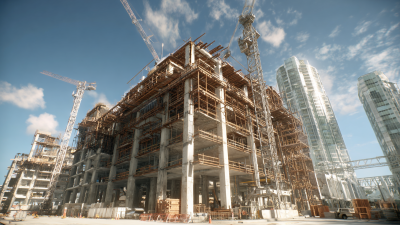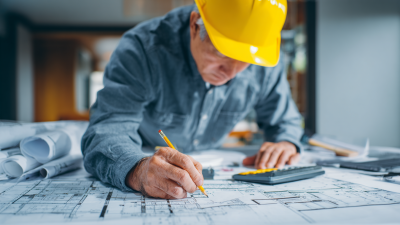
Structural contractors play a vital role in the construction industry. They specialize in building frameworks that ensure safety and stability. These professionals manage the construction of various structures, from bridges to skyscrapers. Their knowledge of engineering principles helps them create designs that withstand environmental stresses.
However, the work of structural contractors is not without challenges. Inaccurate measurements or poor materials can compromise a project. Structural contractors must pay close attention to detail. Misjudgments can lead to costly repairs or, worse, safety hazards.
This highlights the importance of expertise in the field. Choosing the right structural contractor is crucial. Clients must assess their qualifications and past projects. A skilled contractor can transform blueprints into solid realities. However, even the best can face unexpected issues. The construction journey often requires flexibility and problem-solving skills. Engaging with structural contractors is essential for building safe, long-lasting structures.
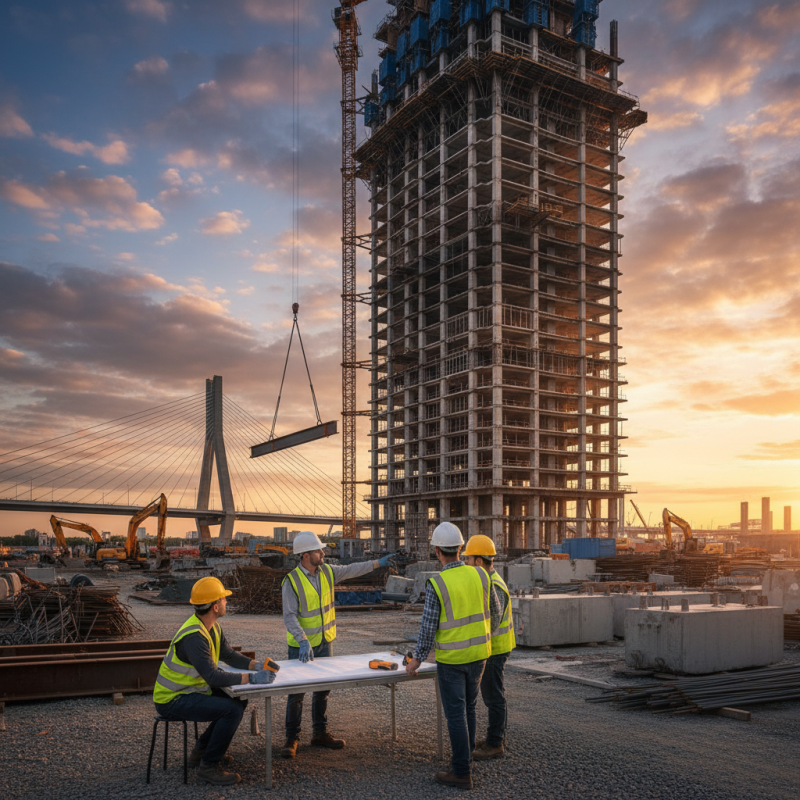
Structural contractors play a critical role in construction projects. They are responsible for designing and building the skeletal framework of a structure. This can involve creating foundations, walls, and roofs, ensuring stability and safety. Their work is often guided by local building codes and safety regulations. According to the Bureau of Labor Statistics, employment for construction workers, including structural contractors, is projected to grow by 8% from 2021 to 2031.
It's important to note that structural contractors must collaborate with architects and engineers. Miscommunication can lead to project delays or costly redesigns. They must also adapt to new materials and technologies in the industry. This ongoing adjustment is crucial as innovation shapes the future of construction.
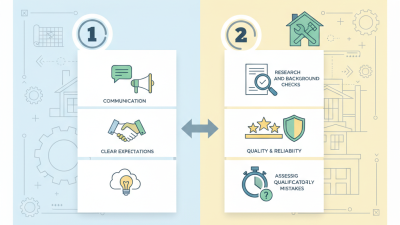
Tip: Always verify the contractor's credentials and experience. Ask for references from previous projects. This can give insight into their reliability and quality of work.
Effective project management is vital. A well-organized project can save time and money. However, many contractors struggle with logistics, especially on larger sites. Focus on clear communication to avoid misunderstandings.
Tip: Regularly hold site meetings. This keeps everyone informed and engaged. A united team is essential for success.
Structural contractors play a vital role in the design-build process. They ensure that structures are safe and durable. Their responsibilities range from interpreting blueprints to coordinating with architects and engineers. They often deal with complex designs that require careful planning. This can lead to challenges in meeting deadlines and budgets.
One key task is site assessment. Contractors evaluate the location for potential problems. Soil conditions, drainage issues, and local regulations must be considered. Sometimes, unexpected complications arise, forcing contractors to rethink their strategies. These moments can be frustrating but are essential for successful outcomes.
Collaboration is also critical in this field. Structural contractors must communicate effectively with various teams. They provide input on material selection and construction methods. Miscommunication can result in delays or rework. Learning from these experiences can strengthen future projects. Adapting to challenges can make the difference between a good and a great structural build.
Structural contractors play a crucial role in construction projects. They are responsible for designing and building strong frameworks. To be successful in this field, certain skills and qualifications are essential.
One of the most important skills is proficiency in engineering principles. This includes understanding materials and load-bearing structures. Attention to detail is critical; small errors can lead to significant issues. Communication skills are also key. Contractors must convey complex ideas to clients and teams clearly. Often, they face misunderstandings that can delay projects.
Additionally, a solid educational background in civil or structural engineering is necessary. Many contractors also require certifications to prove their expertise. Experience in various types of construction projects adds to their value. They need to adapt to different challenges. However, it's common to overlook local building codes or safety standards, leading to costly mistakes. Ideally, a structural contractor learns from each project to improve in the future.
| Skill/Qualification | Description | Importance |
|---|---|---|
| Project Management | Ability to plan, execute, and oversee construction projects. | Critical for timely and budget-compliant project completion. |
| Technical Knowledge | Understanding of structural engineering principles and building codes. | Essential for designing safe and efficient structures. |
| Communication Skills | Ability to convey complex information clearly to clients and teams. | Important for collaboration and client satisfaction. |
| Problem-Solving Ability | Skill to identify and solve issues that arise during construction. | Crucial for maintaining project flow and avoiding delays. |
| Team Leadership | Ability to lead and motivate a team of construction professionals. | Necessary for achieving project goals through effective teamwork. |
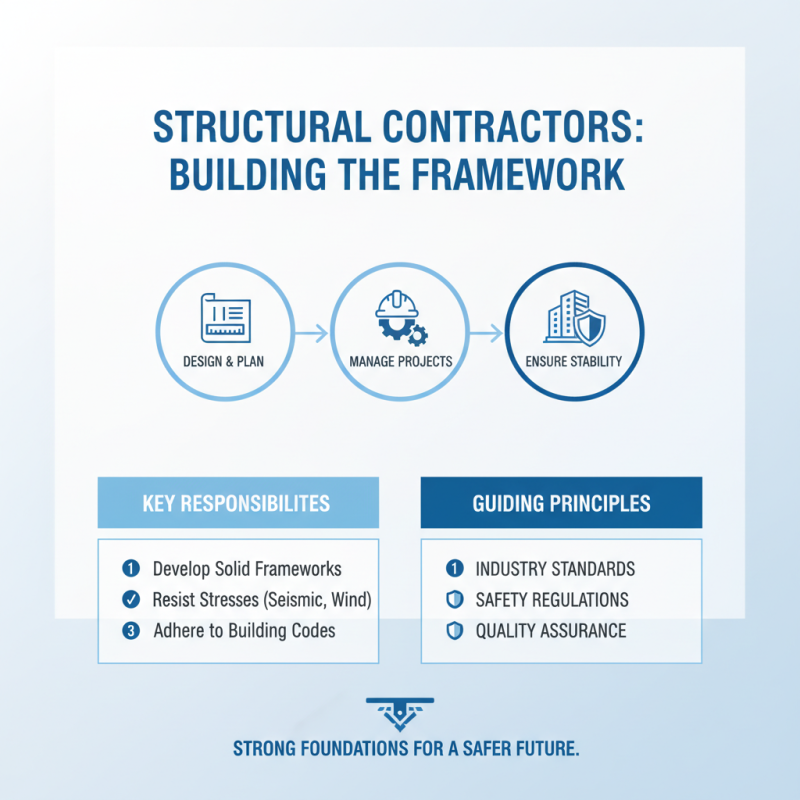
Structural contractors play a vital role in construction. They design, plan, and manage projects that require a solid framework. These buildings need to withstand various stresses. Industry standards guide structural contractors in their work. Regulations help ensure safety, efficiency, and quality.
Adhering to these standards is crucial. They vary by region and project type. Contractors must be aware of local building codes. These codes dictate material use and design specifications. Failure to comply can lead to costly mistakes. It can even endanger lives.
The certification process for structural contractors is rigorous. They must display a thorough understanding of engineering principles. Many contractors face challenges in staying updated. Non-compliance with regulations is a common pitfall. Reflecting on past projects can help improve future outcomes. Every project offers a learning opportunity. Building a culture of continuous improvement is essential.
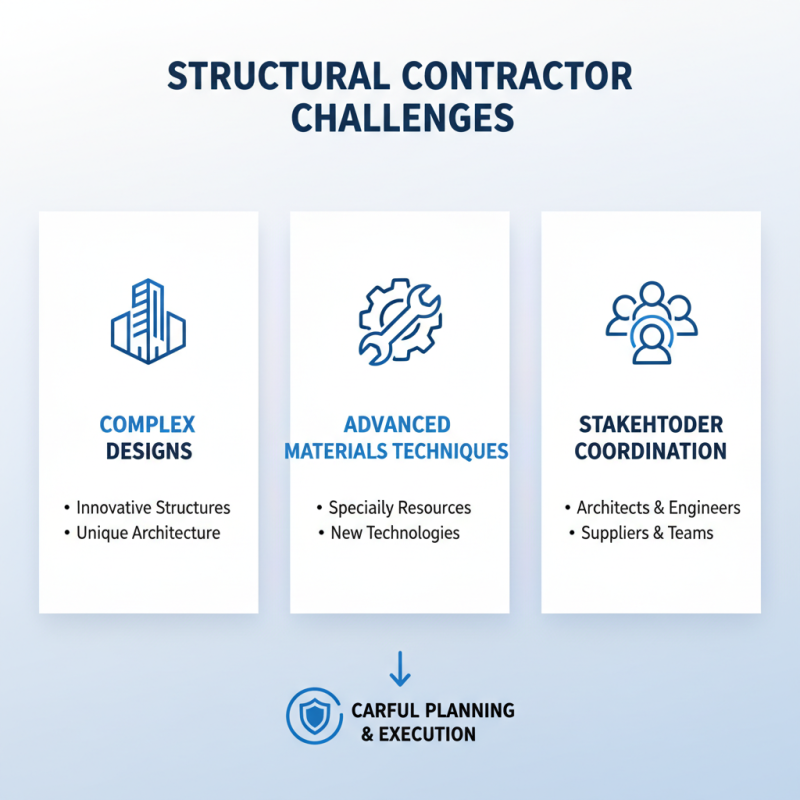
Structural contractors face numerous challenges in modern construction. One major issue is the complexity of new building designs. Innovative structures often require advanced materials and techniques, which can strain resources. Meeting these needs involves careful planning and coordination with various stakeholders.
Another challenge is managing timelines. Delays can stem from unexpected weather events or supply chain disruptions. Even minor setbacks can ripple through the project. This results in increased costs and frustrated clients. Communication becomes vital. Contractors must ensure everyone is on the same page.
Additionally, safety concerns are ever-present. High-risk work environments require strict adherence to regulations. Some contractors struggle to maintain these standards consistently. Worker training and equipment safety checks are crucial, yet sometimes overlooked. Balancing safety with efficiency is a constant challenge. In an industry that demands perfection, room for error can lead to reflection and improvement in practices.