China Best 3 Mercaptopropyltriethoxysilane Suppliers?
China’s silane industry has become an important sourcing base for specialty coupling agents, including 3-Mercaptopropyltriethoxysilane. Demand is linked to rubber, adhesives, sealants, coatings, and composite materials. Grand View Research’s Silane Market Size, Share & Trends Analysis Report, 2024–2030, identifies construction, automotive, and electronics as major demand sectors. MarketsandMarkets also reports continuing growth in silane coupling agents, driven by stronger adhesion and improved material durability.
The best Chinese supplier is not always the lowest-priced producer. Purity, batch consistency, hydrolysis control, and technical support matter more during scale-up. Buyers should request a current certificate of analysis, product specification, safety data sheet, and representative retention sample. Pay attention to assay results, appearance, moisture content, packaging condition, and storage guidance. A sealed 25-kilogram drum should arrive clean, labeled, and free from visible leakage.
Practical verification helps.
Experienced procurement teams often compare pilot batches before signing annual contracts. They also review production capacity, export experience, quality-system certifications, and response time for technical questions. However, public market reports usually group individual silanes into broader categories. Their figures should not be treated as direct forecasts for 3-Mercaptopropyltriethoxysilane alone. This limitation deserves attention. A credible comparison of China’s leading suppliers should therefore combine industry data with factory audits, independent testing, and customer references. Supplier rankings can change as capacity, raw-material costs, and quality performance change. Reliable sourcing requires evidence, not attractive catalog language.
What Is Mercaptopropyltriethoxysilane and Where Is It Used?
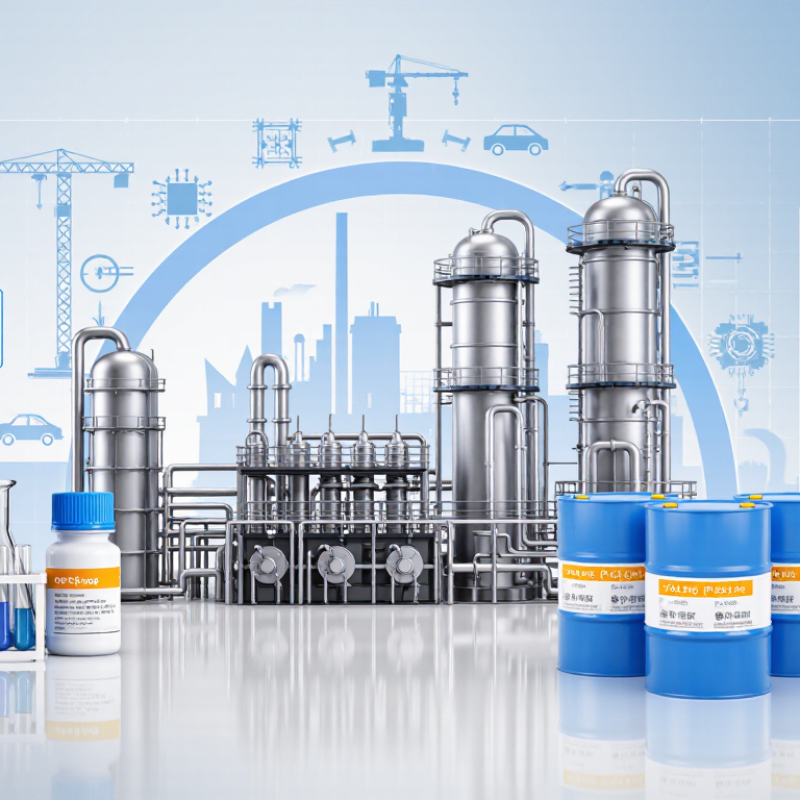
Mercaptopropyltriethoxysilane, often called MPTES, is an organosilane coupling agent. It contains a sulfur-based mercapto group and three hydrolyzable ethoxy groups. In practical terms, it connects inorganic surfaces with organic polymers. The molecule reacts with moisture, so storage conditions matter. A sealed container is essential. It is handled as an industrial chemical.
Manufacturers use MPTES in modified polymers, sealants, adhesives, coatings, and treated mineral fillers. It can improve adhesion between silica, glass, metals, or mineral particles and resin systems. In filled compounds, better bonding may support strength, dispersion, and moisture resistance. Results depend on dosage, surface cleanliness, curing chemistry, and mixing energy. A small trial is wiser than a confident assumption. Some formulations show limited benefits when the substrate is poorly prepared.
When evaluating suppliers, request a current specification sheet, safety data sheet, batch report, and traceability details. Confirm assay, color, moisture, viscosity, packaging, and storage life. Reliable technical support should explain hydrolysis, compatibility, and sample testing without promising universal performance. Ask about transport conditions and quality control. Compare at least three qualified sources. Price alone can mislead. Published data may not match your resin, filler, or climate. Validate performance in your own formulation before production scaling.
Key Criteria for Evaluating Mercaptopropyltriethoxysilane Suppliers
Choosing a reliable mercaptopropyltriethoxysilane supplier requires more than comparing quoted prices. Start with product identity, assay, appearance, and moisture limits. Ask for a recent certificate of analysis, not a recycled template. The document should show batch number, test methods, manufacturing date, and retest period. Confirm that the material matches your process needs, including adhesion, coupling performance, and storage stability. Small details matter. A clear technical data sheet should explain hydrolysis behavior, handling, and compatible packaging.
Supplier experience becomes visible during sampling and scale-up. Request a representative sample from a normal production batch. Compare its color, odor, viscosity, and application results against your internal standard. A supplier that answers quickly but vaguely may create delays later. Check whether production records are traceable from raw materials to shipment. Review quality systems, inspection equipment, deviation procedures, and change-notification practices. Independent audits or documented quality certification can strengthen confidence, but certificates alone prove little. That is an easy mistake.
Logistics deserve equal attention. Evaluate container sealing, moisture protection, labeling, export documents, and temperature exposure during transit. Ask how the supplier manages damaged packages or off-specification batches. Reliable technical support should provide practical guidance without promising impossible results. Discuss lead times, minimum order quantities, reserve stock, and emergency communication channels. A factory visit, video audit, or third-party inspection may reveal housekeeping issues that brochures hide. Supplier selection is not perfectly objective; trial data can expose assumptions that paperwork misses.
Key Criteria for Evaluating Mercaptopropyltriethoxysilane Suppliers
For 3-mercaptopropyltriethoxysilane, supplier evaluation should focus on product identity, batch consistency, documentation, handling, and technical support. The chart presents a practical 100-point assessment framework without using company or brand data.
The weighting is designed for procurement screening of CAS 14814-09-6 and can be adjusted according to application requirements.
How to Compare China’s Top Three Supplier Options
When comparing China’s top three supplier options for mercaptopropyltriethoxysilane, look beyond quoted price. The strongest comparison starts with supplier type. An integrated manufacturer may offer tighter batch control and technical support. A specialized exporter may provide flexible packaging and faster communication. A trading company may quote competitively, but its production visibility can be limited.
Ask each supplier for a recent certificate of analysis, safety data sheet, specification sheet, and sample. Check purity, appearance, moisture, packaging weight, and recommended storage conditions. For moisture-sensitive silane, sealed containers and clear handling instructions matter. Request batch numbers and production dates. A reliable supplier should explain testing methods, not only provide attractive figures.
Production experience also deserves attention. Ask whether the supplier supports trial orders, repeat batches, and customized documentation. Compare response time carefully. Slow answers may become costly during quality disputes. Independent laboratory testing can verify the sample before a larger purchase. Do not rely on one document.
Price still matters. It should not lead the decision. Consider minimum order quantity, shipping terms, payment protection, replacement policy, and delivery history. I would score these items in a simple comparison table. The table may expose weaknesses that a polished sales call hides. My own review process is not perfect, especially when technical data uses different test methods. That is why consistent testing and written records remain essential. A supplier that accepts reasonable scrutiny is usually easier to manage over time.
How to Select the Best Supplier for Your Application
How to Select the Best Mercaptopropyltriethoxysilane Supplier
Supplier selection should begin with application evidence, not a low quotation. Mercaptopropyltriethoxysilane supports adhesion in sealants, coatings, and filled polymers. Its sulfur functionality also demands careful handling and testing. MarketsandMarkets projects the global silane coupling agents market to grow from about USD 1.1 billion in 2023 to USD 1.5 billion by 2028. This growth increases supplier choices, but not necessarily supplier quality.
Request a recent certificate of analysis for every production batch. Check purity, water content, color, density, and functional-group consistency. Gas chromatography data should match your technical specification. Ask for batch traceability, sealed packaging details, and a current safety data sheet. ISO 9001 certification can support process control, but it does not prove application performance. That distinction matters.
Test samples in your actual formulation. Measure adhesion after heat, humidity, and water exposure. Record viscosity changes during mixing and storage. A supplier should explain hydrolysis behavior, shelf life, and recommended dosage without vague promises.
I would also compare two or three batches, because one excellent sample can mislead procurement. My checklist is imperfect. Production stability matters more than polished documents. For imported material, review transport conditions and container integrity before approval. A practical supplier shares data quickly, accepts reasonable audits, and helps investigate failed batches. Price still matters, but inconsistent performance can cost far more through rework and rejected products.