Top 10 Construction Firms Transforming the Industry Today
In the rapidly evolving landscape of the construction industry, a few pioneering construction firms stand out for their innovative practices, sustainability measures, and technological advancements. These firms are not just executing projects; they are redefining how construction is approached and managed, illustrating the profound transformation the industry is undergoing. As they embrace digital tools, adopt eco-friendly materials, and implement collaborative strategies, these companies are setting new benchmarks for efficiency and quality.
This article will explore the top ten construction firms that are leading this charge, highlighting their influential contributions to contemporary building practices. From utilizing cutting-edge technology like Building Information Modeling (BIM) to emphasizing sustainability through green building initiatives, these construction firms are driving change and striving for a more resilient and efficient future. By analyzing their strategies and successes, we can gain insight into the key trends shaping the construction industry today.

Emerging Trends in the Construction Industry Today
The construction industry is currently undergoing a significant transformation driven by various emerging trends that are reshaping how projects are planned, executed, and maintained. One of the most impactful trends is the adoption of advanced technologies such as Building Information Modeling (BIM), which allows for more efficient project management and collaboration among stakeholders.
By digitalizing the design and construction process, firms can minimize errors, reduce waste, and enhance overall project visibility, leading to timely and cost-effective outcomes.
Moreover, sustainability is becoming a central focus in the construction sector. Companies are increasingly integrating eco-friendly materials and practices into their projects, aiming to reduce their carbon footprint. Green building certifications are gaining traction, pushing firms to innovate and adopt sustainable methods, such as utilizing renewable energy sources and implementing waste reduction strategies. This shift is not only beneficial for the environment but also appeals to clients who are seeking socially responsible partners.
Tips: To leverage these trends effectively, construction firms should invest in training and development for their workforce, ensuring that teams are equipped with the necessary skills to utilize new technologies. Engaging with clients throughout the process can foster better relationships and incorporate their sustainability goals, ultimately leading to more successful project outcomes. By staying informed on industry trends and proactively adapting strategies, firms can secure a competitive edge in the ever-evolving construction landscape.
Innovative Technologies Adopted by Leading Construction Firms
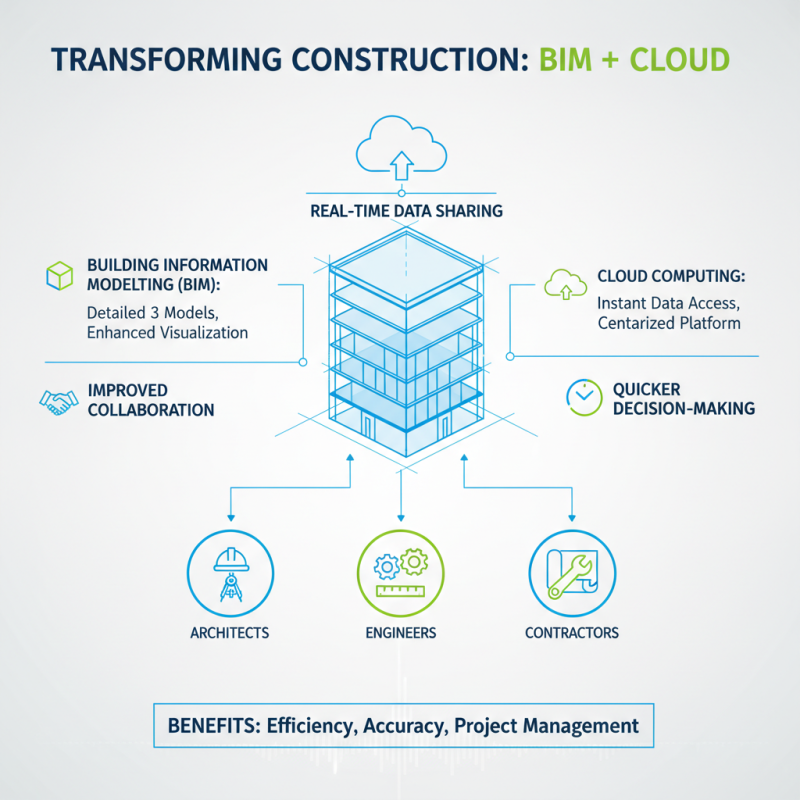
In the rapidly evolving landscape of the construction industry, innovative technologies are leading the charge in transforming traditional practices. Among these advancements, Building Information Modeling (BIM) stands out as a pivotal tool, enabling firms to create detailed 3D representations of construction projects. This technology not only enhances visualization but also improves collaboration among stakeholders, ensuring that architects, engineers, and contractors are synchronized throughout the project's lifecycle. The integration of BIM with cloud computing further facilitates real-time data sharing, allowing for quicker decision-making and more efficient project management.
Another noteworthy trend is the adoption of drone technology for surveying and monitoring job sites. Drones offer high-resolution aerial imagery, which can significantly reduce the time and cost associated with site assessments. They provide valuable insights into site conditions, enabling teams to identify potential issues before they escalate into costly problems. Additionally, the use of augmented reality (AR) and virtual reality (VR) is gaining traction, allowing construction professionals to visualize and interact with projects before they are built. These immersive technologies not only enhance design accuracy but also improve safety training by allowing workers to simulate hazardous environments in a risk-free setting. Through these innovative approaches, leading construction firms are redefining efficiency and redefining the future of the industry.
Top 10 Construction Firms Revolutionizing Project Management Practices
In the rapidly evolving construction industry, project management practices are experiencing a significant transformation, driven by innovative firms that embrace new technologies and methodologies. The integration of advanced construction management software enables firms to streamline processes, enhance collaboration, and improve communication among project stakeholders. This shift is essential for aligning differing goals and expectations, ultimately resulting in improved project outcomes and heightened efficiency.
Moreover, the adoption of data analytics and real-time reporting tools has become a game-changer in project management. By harnessing data, construction firms can gain insights into performance metrics, identify potential bottlenecks, and make informed decisions that minimize risks. The emphasis on data-driven strategies allows for proactive management, transforming how projects are planned and executed. As these firms continue to refine their practices, the construction industry stands poised for greater transparency and accountability, fostering an environment ripe for innovation and growth.
Top 10 Construction Firms Transforming the Industry Today
This chart represents the project management efficiency scores of ten different construction projects, showcasing the advancements and transformations in the industry.
Sustainable Construction: Techniques from Industry Leaders
Sustainable construction has emerged as a pivotal focus for firms seeking to redefine their impact on the environment and society. Leading construction companies are adopting innovative techniques that minimize waste and optimize resource use, ensuring that their projects not only meet current demands but also preserve resources for future generations. Among these techniques is the use of recycled materials, which helps to reduce landfill waste and the carbon footprint associated with new material production. By integrating reclaimed wood, recycled concrete, and other sustainable resources, these firms are setting new standards for eco-friendly building practices.
Moreover, advanced technologies such as Building Information Modeling (BIM) and modular construction are revolutionizing the way projects are planned and executed. BIM allows for precise visualization and simulation of construction processes, enabling firms to identify potential issues before they arise, thereby reducing waste and inefficiencies. Meanwhile, modular construction, which involves prefabricating building components off-site, leads to shorter project timelines and less disruption to the surrounding environment. These methods not only enhance productivity but also contribute significantly to energy efficiency, leading to greener buildings that consume less energy in operation. As the industry shifts toward sustainability, these leading firms are at the forefront of driving change, demonstrating that ecological responsibility can align with economic viability.
Case Studies: Success Stories of Transformative Construction Projects
In the ever-evolving construction industry, transformative projects are setting benchmarks for innovation and efficiency. A recent report from McKinsey indicates that the construction sector is facing a productivity challenge, with output increasing by only 1% annually over the past two decades. However, certain firms have embraced new technologies and methodologies, leading to remarkable success stories that showcase the potential for change.
One notable case study involves the integration of Building Information Modeling (BIM) and prefabrication techniques, which have significantly reduced construction timelines and costs. According to a study by the National Institute of Standards and Technology, the adoption of these technologies can lead to a 10-15% reduction in project duration. A prominent example is a large-scale infrastructure project that utilized advanced modular construction, resulting in completion ahead of schedule and under budget, demonstrating the efficacy of innovative approaches in a traditionally conservative industry.
Additionally, sustainable building practices are being integrated into transformative projects, as evidenced by the growing demand for green certifications. Research indicates that projects adhering to sustainable practices can enhance energy efficiency by up to 30%, which is crucial in addressing global climate challenges. One successful project showcasing this approach achieved LEED certification, highlighting the blend of ecological responsibility and high performance, thereby inspiring similar transformations across the sector.
Top 10 Construction Firms Transforming the Industry Today - Case Studies: Success Stories of Transformative Construction Projects
| Project Name |
Location |
Budget (USD) |
Completion Date |
Innovative Feature |
Impact |
| Project Alpha |
City A |
500,000,000 |
2023-06-30 |
Sustainable Materials |
Reduced Carbon Footprint by 30% |
| Project Beta |
City B |
1,200,000,000 |
2024-01-15 |
Modular Design |
Increased Efficiency by 40% |
| Project Gamma |
City C |
800,000,000 |
2023-12-20 |
Smart Technology Integration |
Enhanced Safety and Monitoring |
| Project Delta |
City D |
300,000,000 |
2023-08-10 |
Energy Efficient Systems |
Lower Operating Costs by 20% |
| Project Epsilon |
City E |
1,000,000,000 |
2024-03-25 |
Green Roofing |
Improved Urban Biodiversity |