As we look towards 2025, the construction industry is set to undergo a significant transformation, driven by innovative projects that will redefine how we interact with our built environment. Renowned construction expert Dr. Emily Carter, a leading voice in sustainable building practices, emphasizes the critical role of these developments in shaping future industries. She states, "The construction projects we see emerging in the next few years will not only enhance infrastructure but also contribute to a more sustainable and resilient economy."
From smart buildings equipped with cutting-edge technology to eco-friendly infrastructures that prioritize sustainability, these construction projects are poised to influence various sectors, including transportation, healthcare, and urban development. The integration of advanced techniques and materials will not only enhance efficiency but also address pressing issues such as climate change and urban density. As stakeholders across industries prepare for these transformations, understanding the scope and implications of upcoming construction projects becomes vital.
In this exploration of the top construction projects to watch in 2025, we will delve into how these groundbreaking developments are setting new standards and paving the way for future innovations. Join us as we uncover the projects that promise to change the landscape of industries and reaffirm the pivotal role of construction in society's advancement.

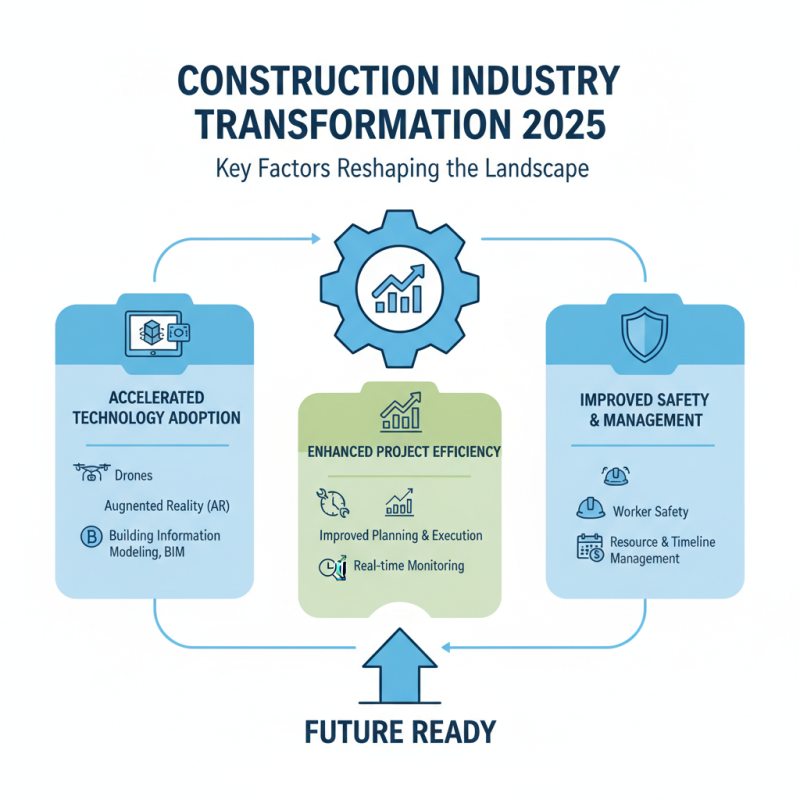
The construction industry is poised for a significant transformation in 2025, driven by several key factors that are reshaping the landscape. One of the most notable influences is the acceleration of technology adoption. Innovations such as Building Information Modeling (BIM), drones, and augmented reality are enhancing project efficiency and safety. These technologies not only improve planning and execution but also allow for real-time monitoring, making it easier to manage resources and timelines effectively.
As industries adapt to changing demands, sustainability has emerged as a crucial driver of construction innovation. Green building practices and materials that minimize environmental impact are becoming increasingly popular. Companies are investing in energy-efficient systems and sustainable design principles to meet regulatory requirements and consumer preferences. This trend underscores the importance of integrating environmental considerations into every phase of construction.
Tips for staying ahead in this evolving landscape include continuously upskilling your workforce in emerging technologies and sustainable practices. Engaging with industry webinars and workshops can provide valuable insights into upcoming trends and innovations. Additionally, fostering collaboration between diverse stakeholders can lead to creative solutions that enhance project outcomes and build resilience in the face of future challenges.
The construction industry is on the brink of a revolution, driven by emerging technologies that promise to reshape how projects are conceived and executed. Innovations such as artificial intelligence, drone technology, and advanced building materials are set to enhance efficiency, safety, and sustainability in construction. For instance, AI can analyze vast amounts of data to predict project outcomes, while drones provide real-time insights into site conditions, helping to mitigate risks before they escalate.
Tips: When considering the integration of these technologies, start small. Pilot programs focused on specific tasks can help identify the potential benefits without overwhelming your team. Furthermore, invest in training for your workforce to ensure they are well-equipped to leverage these new tools effectively.
As these technologies mature, we can expect significant changes in project timelines and costs. For example, 3D printing is already proving to streamline the building process, allowing for rapid prototyping and reduced waste. In addition, the use of smart contracts via blockchain technology could increase transparency in transactions, making contracts more secure and efficient.
Tips: Stay informed about the latest technological advancements by attending industry conferences and participating in webinars. Collaborating with tech firms can also provide valuable insights into how their solutions can be tailored to your projects.
As we look ahead to 2025, several high-profile infrastructure developments are poised to significantly reshape industries across the globe. The construction sector is set to see an estimated $4.5 trillion investment in infrastructure projects by 2025, according to a report by the Global Infrastructure Facility. This influx of funding will not only revitalize aging structures but also introduce innovative technologies that enhance efficiency and sustainability.
One of the key projects to monitor is the Hyperloop system, which aims to revolutionize transportation by facilitating rapid transit between major urban centers. A recent study by the International Transport Forum highlights that if successfully implemented, such projects could reduce travel times by up to 80%, promoting economic growth and reducing carbon emissions significantly. Similarly, the expansion of smart city initiatives, which integrate advanced technologies into urban planning, is projected to create $2.5 trillion in economic value by 2025, according to the Smart Cities Council. These developments not only signify major advancements in infrastructure but also reflect a broader commitment to sustainable and efficient urban living.
As the construction industry evolves, sustainability trends are playing a pivotal role in setting new standards. In 2025, we can expect to see an increased emphasis on green building materials and techniques. The use of recycled materials, energy-efficient systems, and innovative designs will not only reduce environmental impact but also enhance the long-term performance of structures. This shift towards eco-friendly practices aligns with a global push for reduced carbon footprints and energy conservation.
**Tip:** Consider investing in training for construction teams on sustainable building practices. Educating workers about the benefits and techniques for using sustainable materials can lead to more efficient and eco-conscious projects.
Another trend revolutionizing the construction landscape is the integration of smart technologies. From advanced project management software to IoT devices in smart buildings, technology is streamlining processes and fostering collaboration. These innovations not only mitigate risks but also ensure projects adhere to green standards more effectively.
**Tip:** Leverage technology tools that analyze and improve the sustainability aspects of your projects. Tools that provide data on energy consumption, waste management, and resource utilization can greatly enhance decision-making for future constructions.
| Project Name | Location | Estimated Budget (Billion USD) | Sustainability Feature | Completion Year |
|---|---|---|---|---|
| Green Energy Hub | Texas, USA | 5.0 | Solar and Wind Integration | 2025 |
| Smart City Initiative | Singapore | 10.0 | AI-Driven Infrastructure | 2025 |
| Vertical Farming Complex | Amsterdam, Netherlands | 2.5 | Hydroponic Systems | 2025 |
| Sustainable Housing Project | Berlin, Germany | 3.0 | Passive House Design | 2025 |
| Zero-Waste Community Hub | Copenhagen, Denmark | 4.0 | Recycled Materials | 2025 |
Collaborations and investments in major construction initiatives are set to reshape the industry landscape by 2025, driven by technological advancements and sustainability goals. According to a report by GlobalData, global construction output is projected to reach $15 trillion by 2030, emphasizing the urgency for effective partnerships and innovative approaches. Companies are increasingly focusing on joint ventures and alliances to share resources and risk in ambitious projects. For instance, the partnership between Bechtel and Siemens in creating smart construction solutions showcases the trend towards integrating technology into traditional building practices.
Moreover, investments in infrastructure projects are gaining momentum. The McKinsey Global Institute estimates that countries will need to invest over $3 trillion annually to address infrastructure deficiencies and meet future demands. Notable initiatives, such as the U.S. Infrastructure Investment and Jobs Act, not only boost economic growth but also foster collaborations among public and private sectors. These collaborations are vital as they leverage diverse expertise, exemplified by the engagement of tech firms in smart city projects, which aim to enhance urban living through data-driven construction strategies.