Top Structural Contractors What You Need to Know
In the construction industry, structural contractors play a critical role. They design and build frameworks for various projects, from bridges to skyscrapers. According to a report from IBISWorld, the structural engineering sector is expected to grow by 4.5% annually over the next five years. This growth reflects rising demand for resilient infrastructure, particularly in urban areas.
However, not all structural contractors achieve the same level of success. Variability in skill and execution can impact project quality and timelines. For instance, a poorly constructed framework can lead to costly delays and repairs. The National Institute of Standards and Technology highlights that up to 15% of construction costs can stem from rework due to structural flaws.
As the industry advances, contractors must embrace new technologies and methods. Insights from the McKinsey Global Institute suggest that digitization in construction could boost productivity by 15-20%. Yet, many firms struggle to adapt. Striving for excellence is essential, and learning from past mistakes is crucial for future success.

Understanding the Role of Structural Contractors in Construction Projects
Structural contractors play a crucial role in construction projects. They are responsible for creating the framework of buildings and other structures. According to the U.S. Bureau of Labor Statistics, employment for structural iron and steel workers is expected to grow by 5% from 2021 to 2031. This growth reflects the demand for skilled professionals in this essential sector.
Structural contractors must understand various materials and their applications. Steel and concrete are common choices. They provide strength and durability, but they can also have limitations. For example, the use of steel can lead to corrosion issues if not properly treated. Additionally, concrete may crack over time, requiring maintenance. A study from the National Institute of Standards and Technology highlights that inadequate material selection can lead to 32% higher maintenance costs.
Communication among team members is vital. Structural contractors must liaise with architects, engineers, and construction workers. Miscommunication can lead to project delays and increased expenses. In fact, the Project Management Institute reports that poor communication contributes to 57% of project failures. Addressing these issues early on can improve overall project outcomes and efficiency.
Top Structural Contractors: Overview of Their Roles and Performance
This bar chart illustrates the performance metrics of top structural contractors across various key performance areas such as design efficiency, project management capabilities, innovation adoption, safety standards adherence, and client satisfaction. The values are represented as percentages to provide a clear overview of their strengths.
Key Qualifications and Skills of Top Structural Contractors
When considering top structural contractors, key qualifications and skills stand out. Experience in various projects is essential. It's not just about big infrastructure; smaller projects require attention too. A solid portfolio reflects versatility and adaptability. Contractors should demonstrate technical abilities, including knowledge of materials and construction methods.
Tips for selecting a contractor: Look for certifications and licenses. Ask about past projects and challenges faced. Communication skills matter. Contractors must clearly explain plans and issues. If they struggle to articulate, it could lead to misunderstandings.
Attention to detail is critical. A great contractor must be meticulous about safety and compliance. However, perfection is unrealistic. Mistakes can happen on-site. It's important to assess how a contractor handles issues. Do they react calmly? How do they learn from errors? Reflecting on these questions can reveal valuable insights.
Factors to Consider When Choosing a Structural Contractor
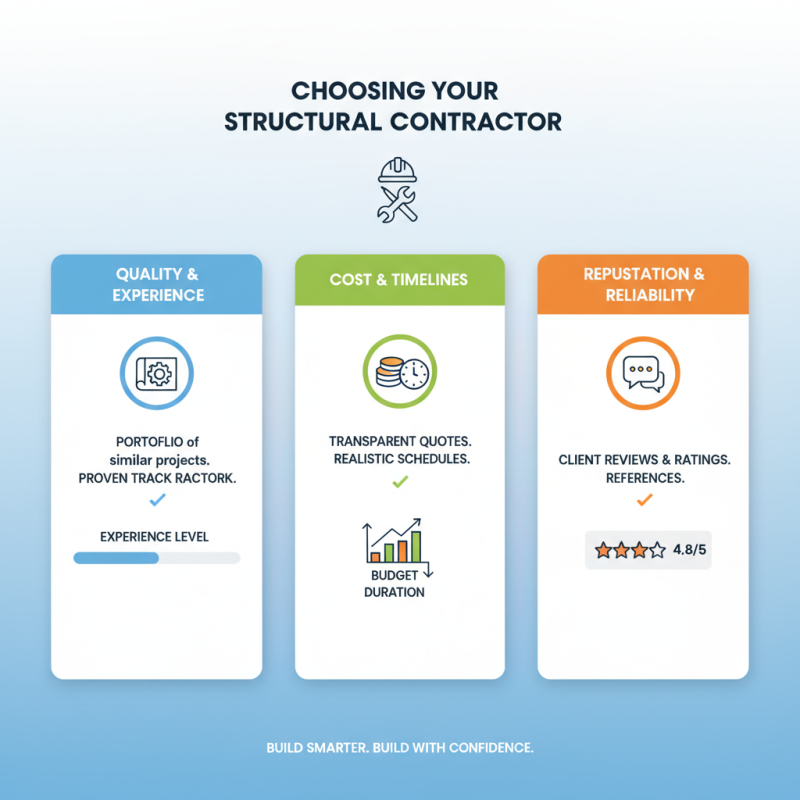
Choosing the right structural contractor is crucial for any construction project. It impacts quality, cost, and timelines. When assessing potential contractors, experience is a key factor. Look for those with a strong portfolio in similar projects. Their past work can give insight into what they can deliver for you. Check their reviews and ratings for additional context.
Tip: Don't hesitate to ask for references. Speaking with past clients can reveal a lot. You might learn about their communication skills, reliability, and overall work ethic. Pay attention to any red flags they may mention.
Another important consideration is credentials. Ensure that the contractor has the necessary licenses and insurance. This protects you from potential liabilities. Verify their certifications and training in structural engineering. Sometimes, contractors may claim experience they don't actually possess.
Tip: Request a detailed proposal. This should outline the project scope, timelines, and costs. A vague proposal can lead to misunderstandings later on. Analyze every aspect to ensure it matches your expectations. If anything seems off, address it immediately.
Overview of Notable Structural Contractors in the Industry
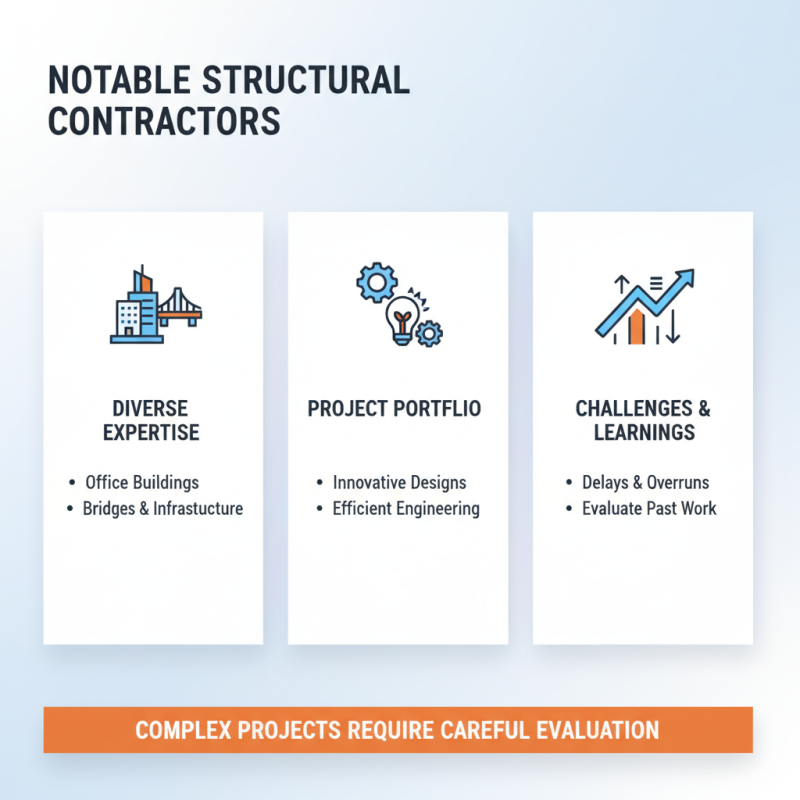
When considering notable structural contractors, it’s essential to recognize their diverse expertise. These companies often handle complex projects, ranging from office buildings to bridges. Their portfolios display a mix of innovative designs and efficient engineering solutions. A keen eye is needed to evaluate their past work. Some projects might face challenges such as delays or budget overruns. It’s important to learn from these experiences for future endeavors.
Quality can vary among contractors. Some excel in residential structures, while others focus on commercial work. It is helpful to assess their project management skills. A contractor might have impressive designs but struggle with execution. Observing their ability to adapt to changing circumstances can be telling. Not all projects go smoothly, and understanding how companies rectify mistakes is key.
Additionally, knowing a contractor's communication style is important. Regular updates and transparency build trust. Yet, not all contractors communicate effectively. Poor communication can lead to misunderstandings and setbacks. Make sure to engage with various contractors; this will provide insights into their working methods. Evaluating their response to challenges can guide your choices in selecting the right partner for your structural needs.
Emerging Trends Affecting Structural Contractors Today
The construction industry is witnessing rapid changes. Many structural contractors are adapting to new technologies. Drones and 3D printing are game-changers. They help in surveying and creating precise plans. However, these innovations come with challenges. Not all contractors can easily integrate new tools into their workflow. This gap may widen the divide between firms.
Sustainability is another key trend. Eco-friendly materials are gaining popularity. Clients increasingly demand structures that have lower environmental impacts. This shift is not just a trend; it's becoming a requirement. Contractors face pressure to meet these standards. There’s a need for training in sustainable practices. Many teams struggle to keep up with these evolving demands.
Workforce shortages add to the complexity. Finding skilled workers is tougher than ever. Younger generations may not be interested in pursuing construction careers. This could hinder project timelines and quality. Contractors need to rethink recruitment strategies. Investing in workforce development is essential for future stability. More attention to these issues is necessary for long-term success.
Top Structural Contractors - Emerging Trends Affecting Structural Contractors Today
| Category |
Trend |
Impact |
Forecast |
| Sustainability |
Increased demand for environmentally friendly materials |
Higher material costs but improved project viability |
Continued growth in green building practices |
| Technology |
Adoption of Building Information Modeling (BIM) |
Enhanced design accuracy and collaboration |
Increased reliance on digital tools |
| Workforce |
Aging workforce and skills gap |
Potential labor shortages and increased training costs |
Focus on upskilling and attracting younger workers |
| Regulations |
Stricter building regulations and codes |
Increased compliance costs and process complexities |
More focus on quality and safety standards |
| Globalization |
Expansion of projects across borders |
Broader opportunities but increased competition |
Growth in international partnerships |