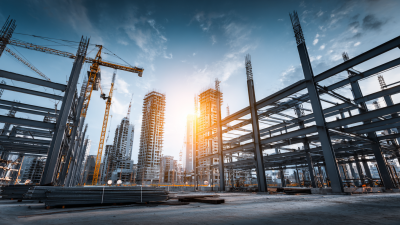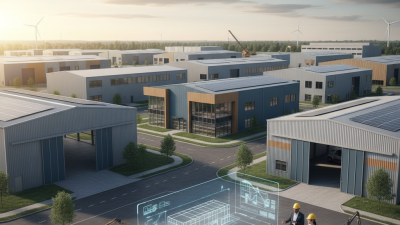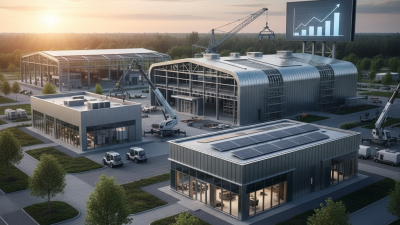
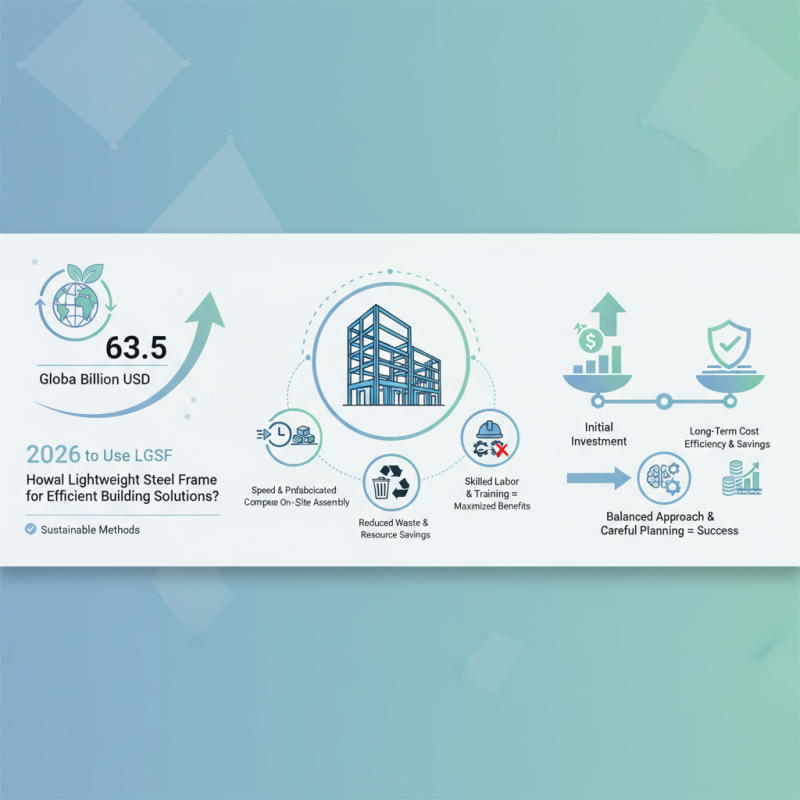
In the construction industry, efficiency is key. LGSF construction offers innovative solutions for modern building needs. According to a report by MarketsandMarkets, the global lightweight steel frame market is projected to reach $63.5 billion by 2026. This growth reflects a shift towards more sustainable methods.
LGSF construction is not just about speed; it also reduces waste. The use of prefabricated components speeds up on-site assembly, saving time and resources. However, there are challenges. Some may overlook the importance of skilled labor in LGSF construction. Without proper training, the benefits could diminish.
Cost efficiency is another aspect worth considering. While initial investments may appear high, savings accumulate over time. Building quality can suffer if cost-cutting becomes the primary focus. This emphasizes the need for a balanced approach. The advantages of LGSF construction are significant, but careful planning is essential to ensure success.
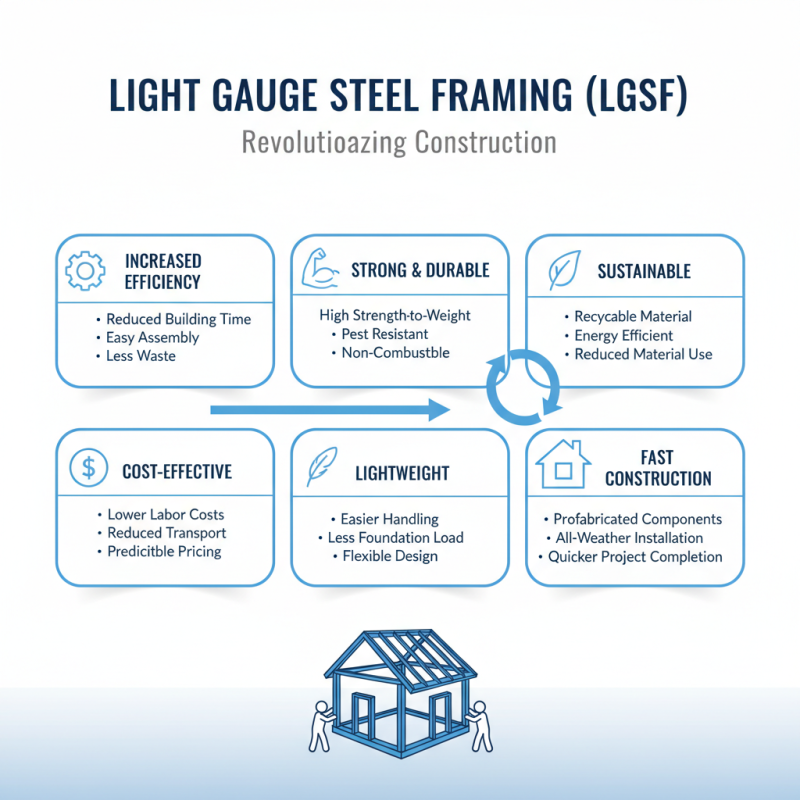
Light Gauge Steel Framing (LGSF) is revolutionizing the construction industry. This method utilizes thin steel sheets to create robust structural frames. These frames are lightweight yet durable. They can reduce building time significantly. LGSF components are easy to transport and assemble. This leads to lower labor costs and increased efficiency.
One of the key characteristics of LGSF is its versatility. It suits various building types, including residential and commercial structures. The flexibility in design allows architects to experiment freely. However, LGSF is not without its challenges. While resistant to pests and rot, it can be susceptible to corrosion if not treated properly. Proper maintenance is crucial for longevity.
Sustainability is another important aspect. LGSF materials are often recyclable, which supports eco-friendly practices. However, the initial production process can be energy-intensive. It raises questions about the overall environmental impact. As the industry evolves, finding balance is essential. Improving LGSF practices will lead to better building solutions.
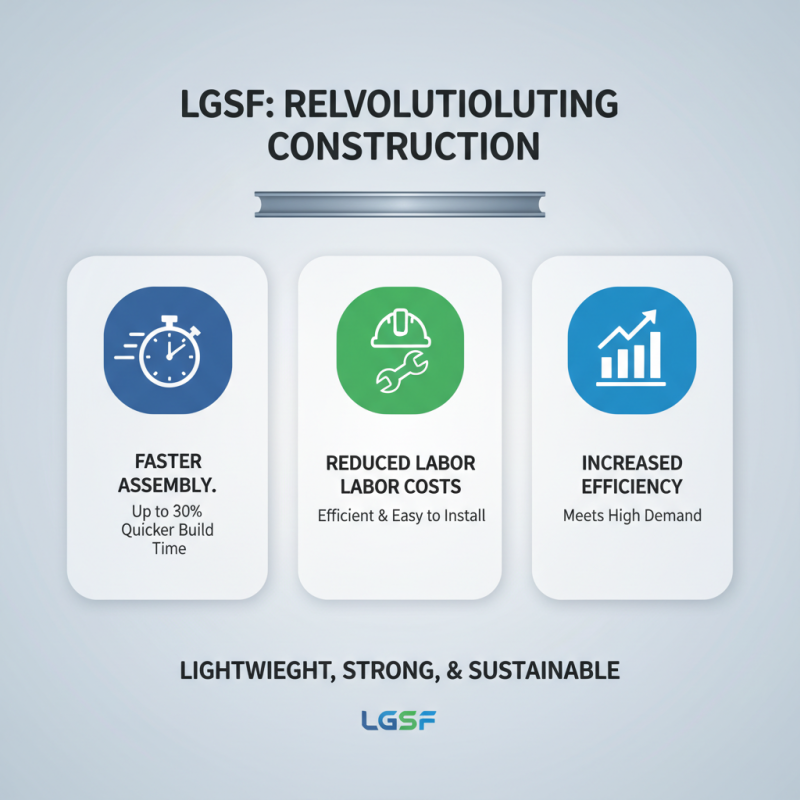
LGSF construction offers numerous advantages for modern building solutions. This construction method utilizes steel elements that are lighter and easier to handle. As a result, projects can progress faster than traditional methods. Builders appreciate the reduced labor time and costs. With fewer materials needed, there is less waste in the construction process.
Moreover, LGSF structures are known for their durability and resistance to environmental factors. They can withstand extreme weather conditions better than conventional buildings. However, the reliance on skilled labor for assembly can pose challenges. Finding experienced workers may be a hurdle in some regions. If not properly constructed, the potential for structural issues may arise.
Design flexibility is another benefit of LGSF construction. Architects can create diverse layouts and configurations effortlessly. However, striking a balance between creativity and practicality requires careful planning. Over-engineering or underestimating material needs can lead to complications during construction. In this way, LGSF construction has both strengths and areas for reflection.
| Advantages | Description | Impact on Construction |
|---|---|---|
| Speed of Construction | Fast erection times due to pre-fabricated components. | Reduces overall project timelines. |
| Cost Efficiency | Lower labor and material costs compared to traditional methods. | Provides savings in project budgets. |
| Sustainability | Use of recyclable materials and energy-efficient processes. | Promotes environmentally friendly construction practices. |
| Design Flexibility | Allows for customizations and varied designs. | Enables creative architectural solutions. |
| Quality Control | Factory-produced elements ensure consistent quality. | Reduces risk of construction defects. |
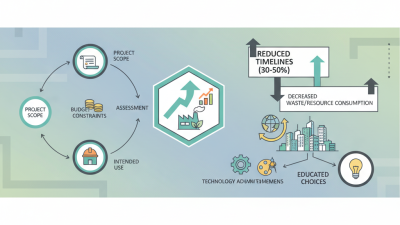
LGSF, or Light Gauge Steel Framing, is revolutionizing construction practices. Its lightweight nature allows for quick assembly. This reduces labor costs and speeds up project timelines. According to recent industry reports, LGSF can cut building time by up to 30%. This efficiency is critical as the industry faces increasing demand for faster construction solutions.
When implementing LGSF in your project, start with proper planning. Design for flexibility. LGSF structures are adaptable for various uses. Choose the right materials. Consider using insulated panels for better energy efficiency. Tips: Always consult with experts to ensure compliance with local building codes. Testing prototypes early can prevent costly revisions later.
Consider potential challenges. Not all contractors may be familiar with LGSF methodologies. Training may be necessary. Miscommunication can lead to errors in assembly. Keep a close eye on quality control. Industry data shows that projects with strict quality checks are 20% less likely to face delays. Tips: Regularly review training materials and protocols, ensuring everyone is on the same page. This attention to detail pays off in the long run.
When designing with Lightweight Galvanized Steel Frame (LGSF) technology, several best practices ensure efficiency and effectiveness. First, incorporate smart architectural strategies. Plan for open spaces that utilize the material's strength. This allows for creative layouts while maintaining structural integrity. Natural light should be a priority, enhancing aesthetics and reducing energy costs.
Consider local climate conditions when implementing LGSF. Insulation plays a crucial role in energy efficiency. Use appropriate materials to combat heat losses or gains. It's vital to balance aesthetics and functionality. Sometimes, a design may look appealing but may not perform well in real-world scenarios.
Collaboration with contractors and engineers is essential. Miscommunication can lead to costly mistakes. Ensure everyone understands the design goals. Regular feedback will help refine the construction process. Learn from each project to improve future designs. Continuous improvement is key in utilizing LGSF successfully.
LGSF (Light Gauge Steel Frame) construction continues to evolve. It stands out for its speed and efficiency. In a world focused on sustainability, this method garners attention. The lightweight steel framework allows builders to construct quickly. However, not every project is a perfect fit for LGSF. Some structures may require more robust materials.
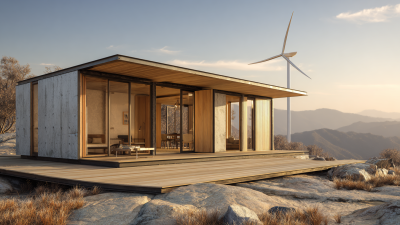
One emerging trend is the integration of renewable energy solutions. Solar panels blend seamlessly with LGSF buildings. This combination enhances energy efficiency and offers long-term cost savings. However, installation challenges can arise. Maintaining balance between aesthetics and functionality remains complex. Architects must carefully consider design aspects.
Moreover, the push for sustainable materials presents both opportunities and challenges. LGSF is recyclable, but sourcing can be an issue. Local availability often affects costs and feasibility. Designers must weigh environmental impact against practicality. Future building solutions will require careful reflection on these factors.