
China Best Pre Engineered Steel Building Suppliers?
Choosing among China’s best pre engineered steel building suppliers requires more than comparing prices. A capable supplier should understand structural design, fabrication, coating systems, logistics, and site assembly. Their experience should appear in completed warehouses, workshops, agricultural buildings, and commercial projects. Clear drawings help. So do measurable specifications.
The right partner can explain steel grades, connection details, wind loads, snow loads, fire protection, and insulation performance. They should also confirm compliance with applicable local codes and recognized international standards. Factory visits, production photographs, material test reports, and independent inspections can provide useful evidence. Supplier claims alone are not enough. Ask for project references with similar spans, climates, and building functions. A reliable company will discuss limitations openly, including transport risks, foundation tolerances, and installation responsibilities.
This guide examines practical methods for identifying dependable Chinese manufacturers and exporters. It considers engineering capability, production equipment, quality control, certifications, communication, warranty terms, and after-sales support. A strong supplier is not always the cheapest. Sometimes, a lower quotation hides missing accessories or unclear installation costs. That matters.
There is no perfect checklist. Project conditions vary, and some supplier information may remain difficult to verify. Buyers should question polished presentations and request dated, traceable documents. Careful comparison reduces avoidable mistakes. It also creates a clearer path from the first inquiry to a safe, durable, and cost-controlled steel structure.
What Are Pre-Engineered Steel Buildings?
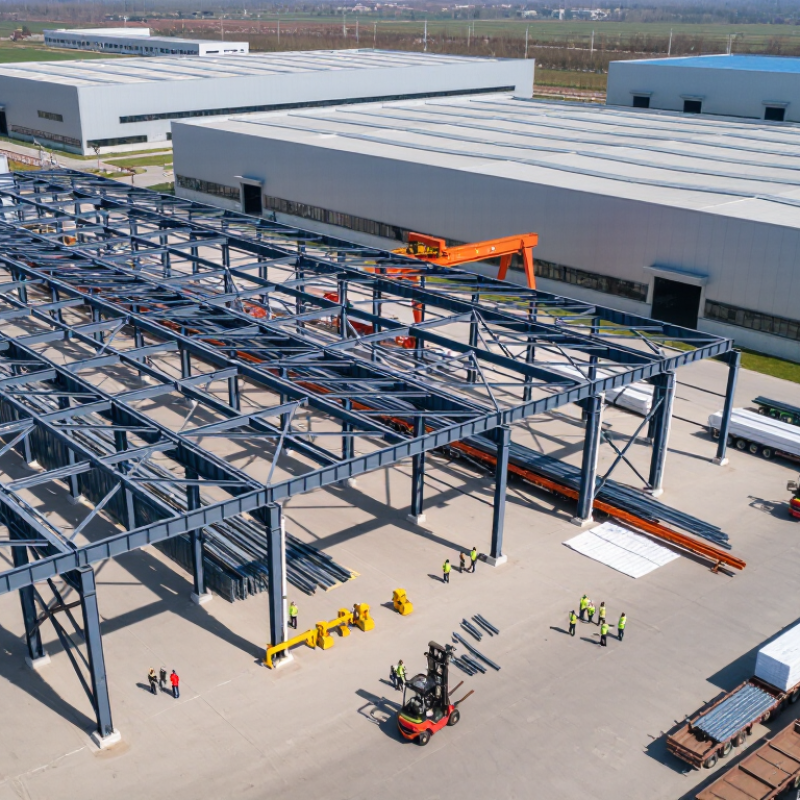
Pre-engineered steel buildings are factory-designed structures assembled from standardized steel components. Engineers calculate the frame, roof loads, wind pressure, seismic demands, and connection forces before fabrication. Columns, rafters, purlins, wall panels, and fasteners arrive ready for controlled site installation. It is not a kit.
This approach can shorten construction time and reduce material waste. A warehouse may receive tapered steel frames, insulated panels, doors, and drainage parts in clearly marked bundles. Digital drawings help crews check bolt locations and panel overlaps. Details matter. However, “pre-engineered” does not mean suitable for every site. Soil conditions, local weather, fire requirements, ventilation, and future equipment loads still require professional review.
When evaluating steel building suppliers in China, buyers should request stamped calculations, material certificates, welding procedures, coating specifications, and inspection records. A reliable supplier explains tolerances instead of promising perfect results. Independent checks of steel grade, bolt strength, dimensions, and packing can prevent expensive delays. I have seen project schedules fail because accessories were treated as minor items. Doors, gutters, insulation, and crane supports can affect the entire installation. Supplier communication also needs practical evidence, such as sample drawings, factory inspection access, and a clear response process for design changes. No design is perfect. A careful team records assumptions and revises them when field measurements disagree.
China Best Pre Engineered Steel Building Suppliers? - What Are Pre-Engineered Steel Buildings?
| Evaluation Dimension | Key Facts About Pre-Engineered Steel Buildings | What to Check When Selecting a Supplier |
|---|---|---|
| Definition | A pre-engineered steel building is a building system designed and detailed before fabrication, with major structural members manufactured in a controlled factory environment and assembled on site. | Confirm that the supplier provides structural calculations, fabrication drawings, connection details, and an installation plan rather than only a standard product package. |
| Primary Structural System | The system commonly includes tapered or uniform rigid frames, secondary roof and wall members, bracing, metal cladding, fasteners, and accessories. | Review the member sizes, steel grades, connection design, bracing layout, and whether the proposed system matches the building span and service requirements. |
| Typical Applications | Common applications include warehouses, workshops, factories, agricultural buildings, logistics facilities, aircraft hangars, sports halls, retail spaces, and temporary or expansion structures. | Ask for comparable completed projects with similar clear spans, crane loads, occupancy type, environmental exposure, and fire-safety requirements. |
| Design Inputs | Engineering normally considers site location, building dimensions, roof and wall loads, wind, snow, seismic conditions, equipment loads, drainage, and local code requirements. | Provide the project location and applicable building code at the quotation stage. Verify that the supplier has experience designing for the relevant wind, snow, seismic, and corrosion conditions. |
| Steel Materials | Structural steel is selected according to the required strength, ductility, weldability, thickness, and applicable standards. Different members may use different steel grades. | Request material certificates, welding procedures, inspection records, and traceability documentation for primary structural members. |
| Fabrication Method | Factory fabrication can improve dimensional consistency, reduce site cutting and welding, and allow quality checks before shipment. | Evaluate equipment, welding quality control, dimensional inspection, surface-treatment facilities, packing methods, and production capacity. |
| Construction Speed | Parallel factory fabrication and foundation work can shorten the overall construction schedule compared with fully site-fabricated steel structures. | Request a manufacturing and delivery schedule that includes engineering approval, production, shipping, customs clearance, and erection activities. |
| Cost Structure | The total project cost includes engineering, steel, cladding, doors and windows, insulation, accessories, packing, transport, foundations, erection, and local taxes or duties. | Compare itemized quotations with the same scope. Check exclusions such as foundations, cranes, insulation, fire protection, installation, local permits, and electrical or mechanical work. |
| Cladding and Insulation | Roof and wall systems may use profiled steel sheets, insulated sandwich panels, or built-up assemblies. Thermal performance depends on insulation type, thickness, joints, and installation quality. | Check thermal conductivity, fire classification, vapor-control requirements, condensation prevention, panel joints, and compatibility with the local climate. |
| Corrosion Protection | Protection may include paint systems, metallic coatings, or a combination of treatments. The correct system depends on humidity, salt exposure, chemicals, and maintenance conditions. | Specify surface preparation, coating type, dry-film thickness, inspection method, repair procedure, and warranty conditions for the intended exposure category. |
| Fire Performance | Steel is non-combustible, but its strength decreases at elevated temperatures. Fire resistance may require fire-rated assemblies, protective coatings, boards, or other approved systems. | Confirm the required fire-resistance rating and obtain test reports or certification for the complete wall, roof, frame, and insulation assembly where required. |
| Quality Documentation | A professionally controlled project should include approved drawings, inspection and test plans, material certificates, welding records, coating reports, packing lists, and installation instructions. | Make documentation, inspection hold points, nonconformance procedures, and approval responsibilities part of the purchase contract. |
| Standards and Compliance | Design and fabrication may follow national or international standards, but the applicable requirements depend on the project location and permitting authority. | Identify the governing structural, welding, fire, wind, snow, seismic, and material standards before design approval. Do not rely on a generic compliance statement. |
| Sustainability | Steel components can be dismantled, reused, or recycled. Environmental performance also depends on transport distance, coating systems, insulation, energy use, and the building’s service life. | Request recycled-content information where relevant, material efficiency data, waste-reduction procedures, and documentation for insulation and coating products. |
| After-Sales Support | Long-term performance depends on correct erection, roof and gutter maintenance, fastener inspection, coating repairs, and prompt replacement of damaged components. | Confirm warranty scope, spare-part availability, technical support, erection supervision, maintenance manuals, response times, and responsibility for design or installation defects. |
Related Posts
-
How to Plan Steel Building Construction in 2026?
-
What is Steel Building Benefits for Global Buyers?
-
Top 5 Benefits of Pre Engineered Steel Buildings You Need to Know for Your Next Project
-
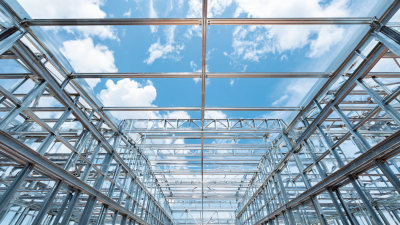
Top 10 Benefits of Steel Structure Buildings for Your Construction Projects
-
Top Benefits of Using Steel Structures in Modern Construction
-
10 Best Advantages of Using Steel Structure Buildings for Modern Construction