Why Is Construction Work So Expensive?

Why Is Construction Work So Expensive? The answer is layered. A building price reflects much more than bricks, concrete, and visible labor. Skilled tradespeople must interpret drawings, coordinate deliveries, operate equipment, and meet strict safety requirements. Their time carries training, insurance, supervision, and payroll costs.

Materials also create pressure. A single project may require steel, timber, wiring, plumbing fixtures, insulation, and specialized finishes. Prices can shift before materials reach the site. Transportation adds fuel, loading, storage, and handling expenses. Time costs money. Equipment may sit idle when one late delivery interrupts several crews. Delays multiply quickly.

Construction work also carries financial risk. Contractors must cover permits, design changes, temporary facilities, site security, warranties, and unexpected repairs. Weather can turn a dry schedule into muddy ground within hours. Hidden damage, unstable soil, or outdated plans may force expensive rework. Clients often see the final structure, not the months of planning behind it.

Regional wages, building codes, financing rates, and local demand can change the estimate dramatically. A small renovation may even cost more per square meter than a large project because fixed expenses spread across less space. Any explanation that blames contractors alone is incomplete. Yet estimates can still be unclear, and poor communication can make fair costs appear unreasonable. Understanding each cost category helps owners compare bids, question assumptions, and recognize where savings may create future maintenance problems. The figures are not always perfect. Careful review remains essential.
Why Is Construction Work So Expensive?

What Makes Construction Projects Different From Other Industries?

Why Is Construction Work So Expensive?

Construction projects differ from most industries because every site has unique conditions. A factory can repeat the same process daily. A building cannot. Soil, access, weather, design changes, and local requirements affect each project differently. Crews may also work around occupied homes, narrow streets, or hidden utility lines.

Construction depends on many specialists moving in sequence. Delays in one trade can stop several others. Materials must arrive at the right time, yet prices and delivery schedules can change quickly. Safety controls add cost, but they protect workers and keep projects moving. From practical experience, even careful estimators sometimes miss small site problems. A neat spreadsheet can create false confidence. That is an uncomfortable lesson.

Tips: Request a detailed scope before comparing prices. Ask how the estimate handles uncertain ground conditions, design revisions, weather delays, and material changes. Keep a contingency allowance for surprises. Clear decisions help. Regular site meetings also reduce costly misunderstandings. Photographs, updated drawings, and written approvals create a reliable project record. Still, no document can predict everything. Construction remains partly an exercise in managing uncertainty.

Which Costs Have the Biggest Impact on Construction Prices?

Why Is Construction Work So Expensive?

Which Costs Have the Biggest Impact on Construction Prices?

Construction prices rarely rise from one line item. Labor, materials, financing, land, and delays interact. The 2024 International Construction Costs report placed New York among the world’s most expensive markets, at about $5,723 per square meter. Local wages, compliance requirements, and limited skilled labor strongly influence that figure. Skilled installers can cost more than materials on detailed interiors. A missing crew can also push handover dates.

Materials create the most visible shock. Steel, cement, electrical equipment, and insulation can change sharply with energy and transport costs. Producer Price Index data from the U.S. Bureau of Labor Statistics showed construction inputs remained well above pre-pandemic levels in 2024. That matters twice. Owners pay more, while contractors increase contingencies to protect margins. Small fixtures add up. A delayed switchgear delivery may leave expensive workers idle.

Financing and time are quieter, but often more damaging. The 2024 International Construction Market Survey identified higher interest rates, labor shortages, and supply-chain risk as major cost pressures. Each delay can add site security, equipment rental, supervision, and loan interest. Early estimates often understate redesign and permitting effort. That estimate can still be wrong. A “simple” change may reopen structural, fire, or accessibility reviews. Better cost control requires testing quantities, schedules, escalation allowances, and local labor capacity before signing.

How Labor, Materials, and Equipment Drive Project Expenses

Why Is Construction Work So Expensive?

How Labor, Materials, and Equipment Drive Project Expenses

Construction costs often rise through small, practical pressures. Labor usually takes the largest share of a project budget. On a recent renovation, a skilled electrician needed extra hours after hidden wiring differed from the drawings. The added work affected several trades. Small delays become expensive.

Experienced contractors track wages, overtime, supervision, insurance, and site safety. A productive crew still needs clear access and accurate plans. Without them, workers may wait beside unfinished walls. That waiting time is paid labor. People underestimate coordination.

Materials create another major cost. Steel, concrete, timber, and insulation can change in price before installation begins. A concrete pour may require extra testing, pumping, and night work. Delivery timing matters too. A missing shipment can leave workers and rented equipment idle.

My own estimates have sometimes been too confident. Contingency allowances deserve more attention.

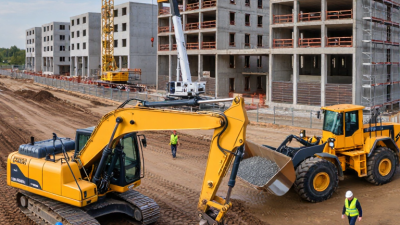
Equipment brings direct and hidden expenses. Cranes, lifts, excavators, and generators require rental fees, fuel, transport, maintenance, and trained operators. A crane standing unused still costs money. Poor scheduling extends rental periods. Wet ground can slow an excavator for hours. Careful planning reduces waste, but it cannot remove every uncertainty. Weather, site conditions, and revised instructions can still change the final invoice.

Why Regulations, Site Conditions, and Delays Increase Costs

Construction work becomes expensive when regulations, site conditions, and delays interact. Permit reviews may require redesigns, environmental studies, fire protection upgrades, or accessibility changes. The 2024 International Construction Costs report shows that regulatory complexity and labor expenses remain major cost pressures in many global cities. Compliance is necessary, but late requirements are costly.

Site conditions create quieter risks. Unrecorded utilities, weak soil, groundwater, and restricted access can stop equipment within hours. A 2024 industry workforce survey reported that 94% of construction firms struggled to fill open positions. Labor shortages make these surprises worse. Crews wait longer, and overtime becomes unavoidable. A clean spreadsheet cannot model every buried pipe.

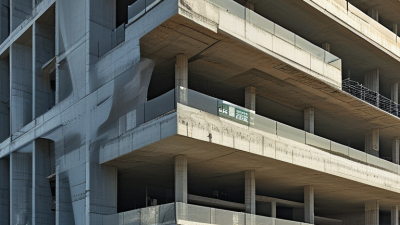
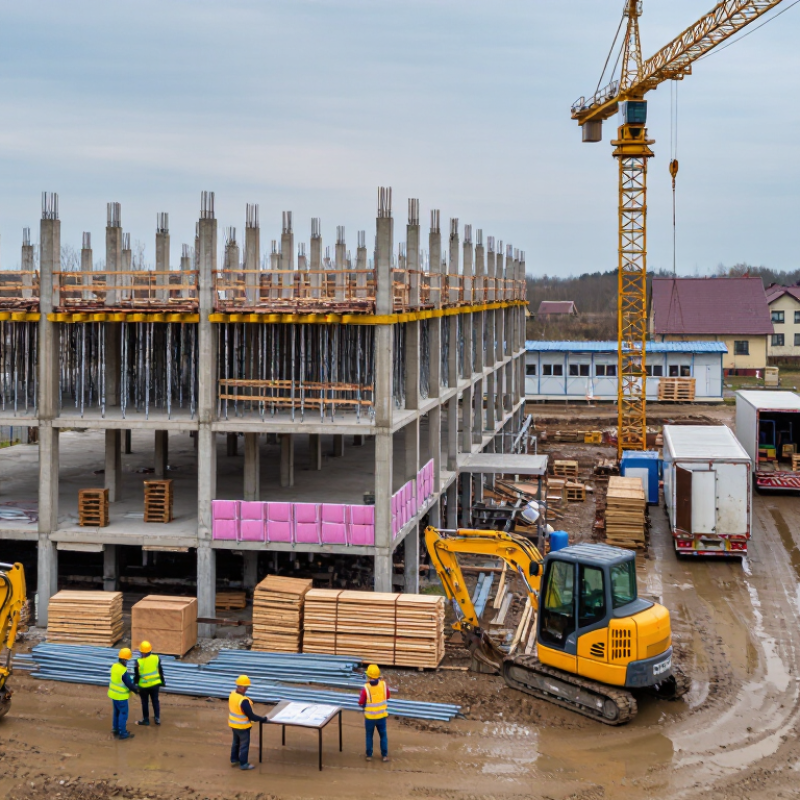
Delays multiply the damage. Materials may sit in storage while subcontractors wait for revised drawings. According to the 2023 Global Construction Survey, only about one-third of projects were completed within 10% of their original budgets. That figure deserves caution, because survey methods differ across markets. Still, the pattern is familiar: each delayed inspection can affect deliveries, financing, supervision, and temporary facilities. On a real site, one missed approval can leave a crane idle beside an unfinished concrete frame.

Why Is Construction Work So Expensive?

Regulations, uncertain site conditions, and delays can increase both the direct cost of construction and the risk of budget overruns.

The figures show reported construction-cost and project-risk indicators from public industry research. They are not additive: regulatory cost is measured as a share of home price, while delay and overrun figures represent the share of surveyed projects affected.

Sources: 2021 public U.S. housing regulatory-cost study; 2015 global construction project survey.

How Design Choices and Project Management Affect the Final Price

Why Is Construction Work So Expensive?

How Design Choices and Project Management Affect the Final Price

Construction costs often rise before workers arrive on site. A complex façade, unusual structural grid, or custom interior can increase drawings, fabrication, inspections, and installation time. Design revisions are even more expensive after procurement begins. FMI and CMAA have estimated that rework can represent about 5% of total construction costs. The figure is older, but the warning remains relevant. Small errors become physical work.

Good design is not only about appearance. A practical team tests material availability, maintenance access, building tolerances, and installation sequences. For example, moving a mechanical shaft two meters may prevent costly duct rerouting later. Yet design teams sometimes optimize the image, not the buildability. That is an uncomfortable weakness. Early constructability reviews and coordinated digital models can expose clashes before concrete is poured. They cannot remove every risk.

Project management controls how quickly uncertainty becomes expense. Clear scope, realistic allowances, and disciplined change approval protect the budget. Procurement timing matters too; a late window package can delay several trades behind it. KPMG’s 2023 Global Construction Survey reported that only 31% of projects finished within 10% of their original budget. Strong reporting helps, but reporting alone is not control. Managers must connect daily site observations with cost forecasts, decisions, and accountable owners. That requires experience. Mistakes still happen. The goal is to discover them while they are cheap.